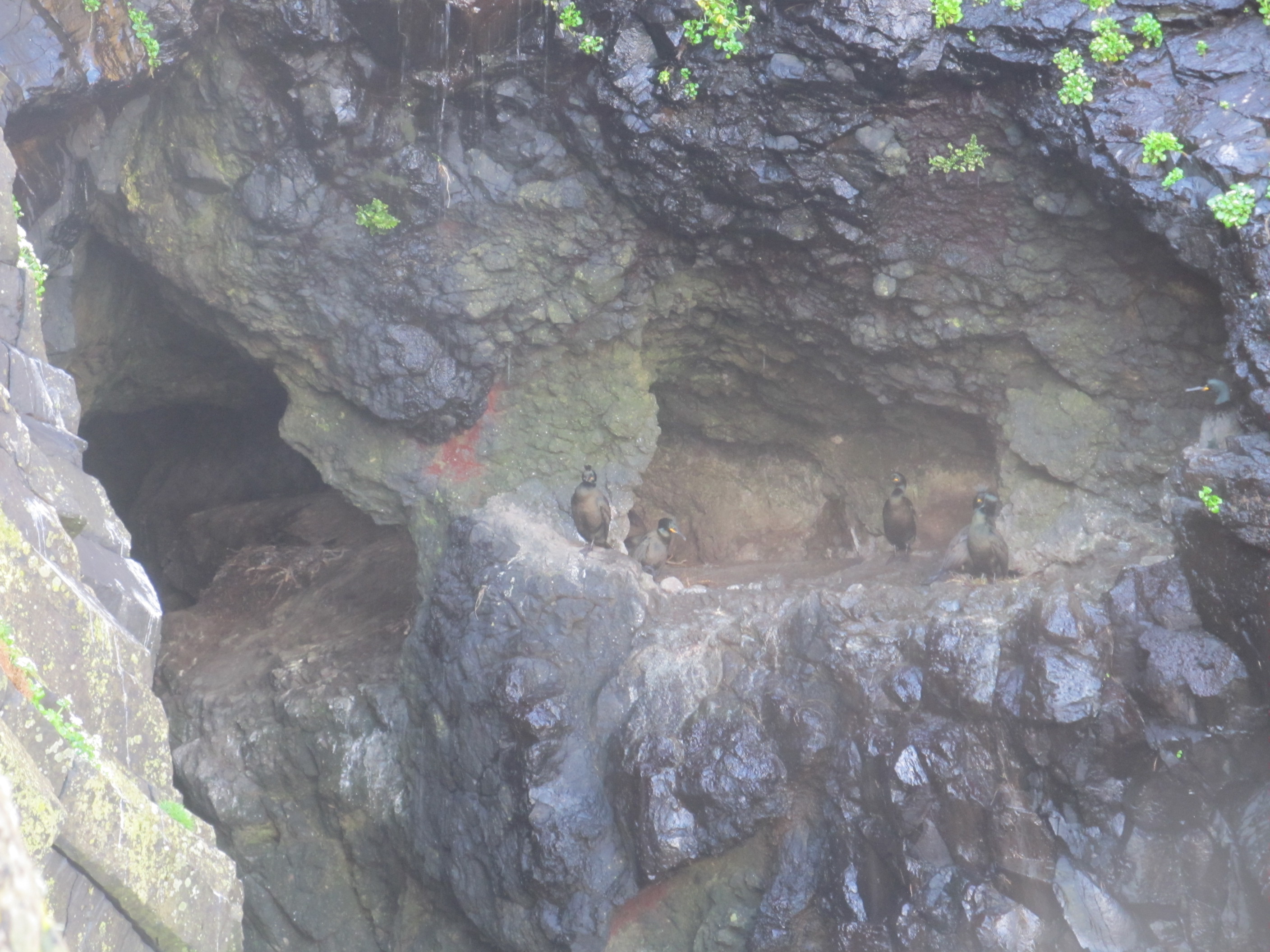
Meet the team

Recently we showcased our work through the Scottish Countryside Rangers Association social media channels. Here’s a summary of who we are and what we’re working on this year.
Hi. I am Jan Dunlop and the Ranger Manager for Mull and Iona Ranger Service. My job predominantly covers the north of the island and the islands of Ulva and Gometra.

The beauty of our jobs are that we can plan for our days but something else quite often becomes more of a priority and we have the flexibility to work with this. We are very lucky to have a very wide remit from environmental education for all ages, working with land managers on access type issues, conservation management and in particular helping manage Calgary SSSI and encouraging use of Ardura, our community woodland; and that is just for starters.

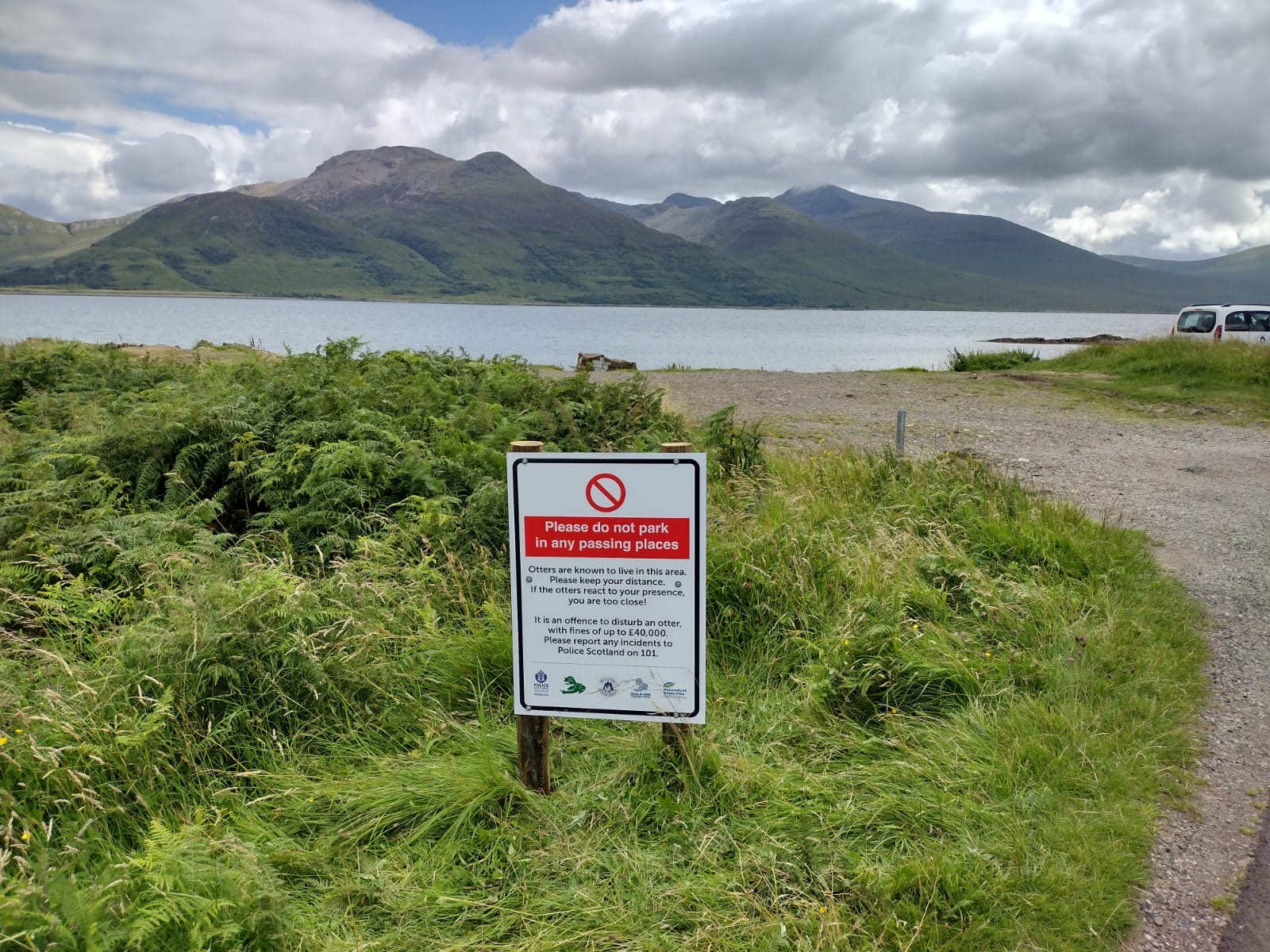
Mull is a key spot for wildlife watching and photography, and some of our job is educating about responsible wildlife watching particularly otters, hen harriers and eagles.

Our volunteers and our local communities make our job a real pleasure to do and wouldn’t be possible without them. Working on an island is also very special as are our close work colleagues. Funding for our Ranger service is our biggest challenge and has got increasingly hard over the last 25 years that the ranger service has been in existence, but like mink we are pretty hard to eradicate.
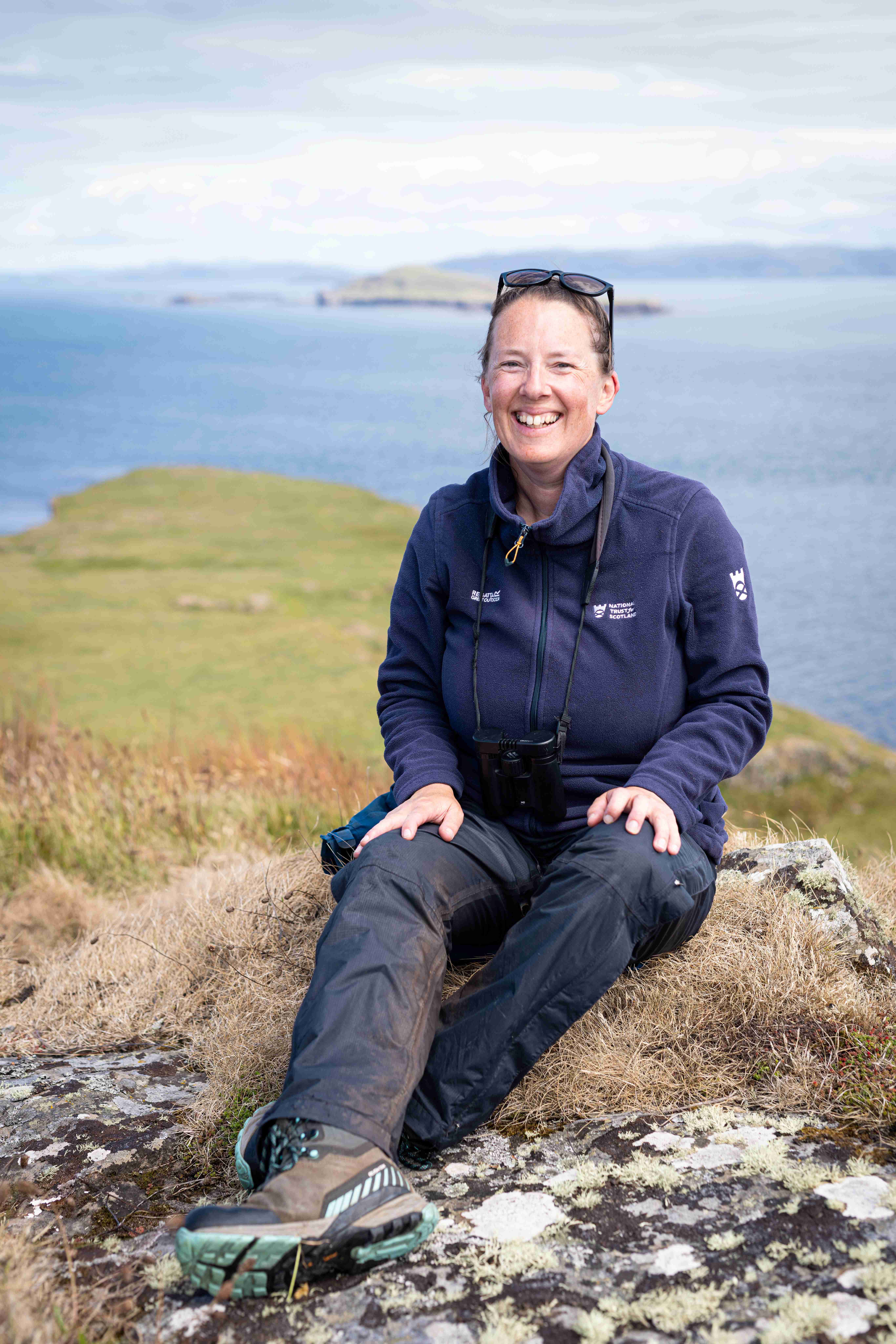
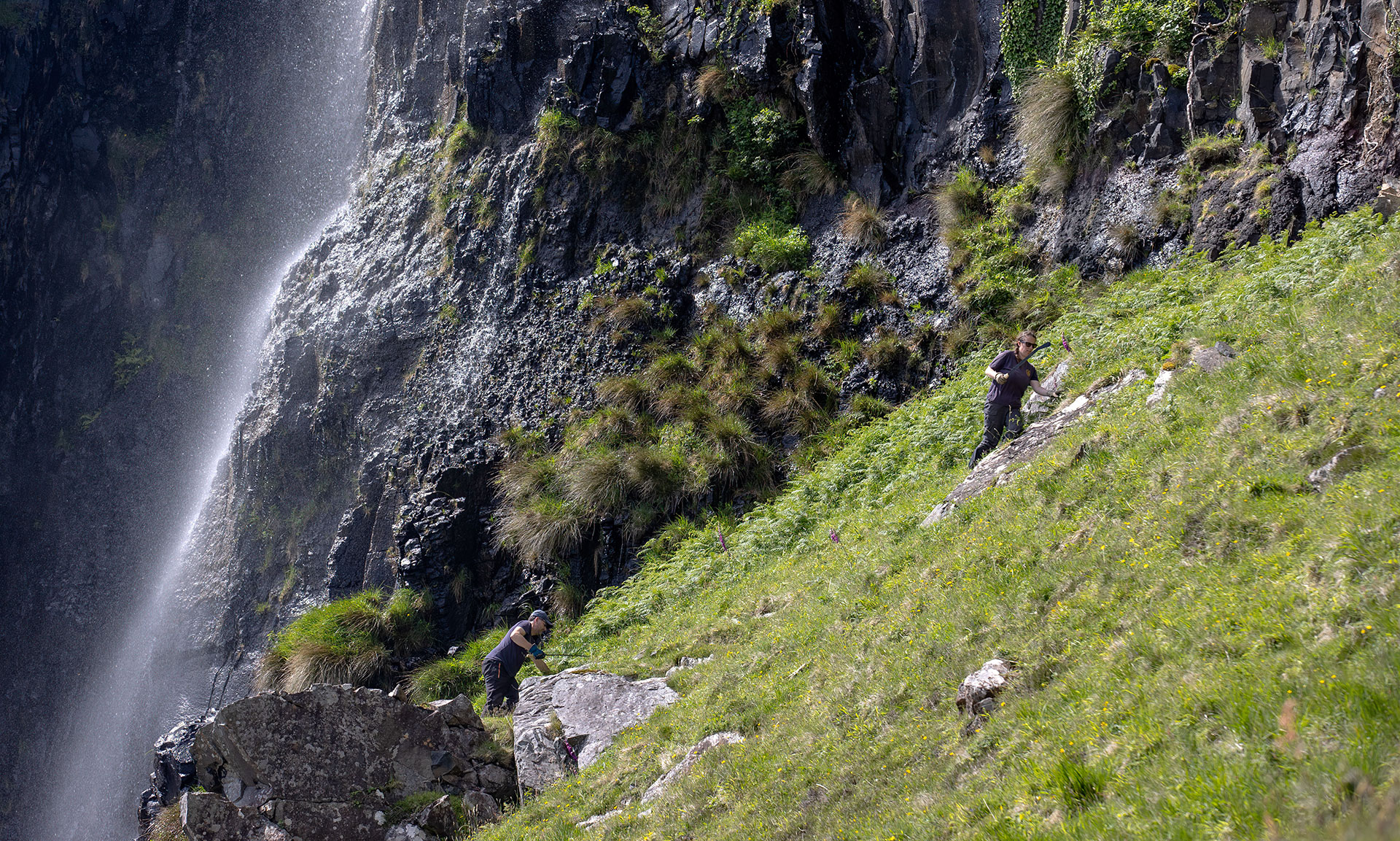
Hi, I’m Emily Wilkins and I work in a partnership ranger role between Mull and Iona Community Trust and National Trust for Scotland. My focus is on the south-west part of Mull (known as the Ross) and the NTS estates of Burg (on Mull), Iona, Staffa and the Treshnish Isles, getting involved in visitor engagement, access work, wildlife monitoring, environmental education and outdoor wellbeing events along with a great team of colleagues and volunteers. At this time of year survey work is a priority, in particular for the rare Slender Scotch Burnet moth and the plants on which it depends. Maintaining good habitat for the moth means finding a balance with grazing cattle, sheep, deer and feral goats, and also involves us in some adventurous bracken clearance on steep slopes! Find out more here: https://www.nts.org.uk/stories/burgs-beautiful-slender-scotch-burnet-moth


Hi I’m May, one of the NTS Seasonal Rangers on Iona, Staffa, and the Treshinish Isles, this is my first season! Our regular job on Iona is on Tuesdays when we run short, guided nature walks for visitors from our visitor shelter. In just 45 minutes we aim to introduce folk to the nature and wildlife on the island, something that doesn’t often get focussed on! We talk a lot on our new conservation farming efforts, including our new flock of Cheviot and Shetland sheep that will be doing some conservation grazing for us. All of this is to aid the fortunes of the elusive Corncrake, a moorhen sized bird that has declined by 70% since the 1970s, partly due to the intensification of farming. Not often seen, Corncrakes have a distinctive call, echoed in their scientific name of Crex crex. Another part of our work on Iona involves population surveys of the Corncrakes which have to be carried out between midnight and 3am as that’s when the calling is most active!

As part of our conservation farming efforts, we have left some meadows ungrazed and unmown, which has led to a wealth of wildflowers growing in them! Primrose, sea campion, meadow cranesbill, spring squill, cuckooflower, heath spotted and northern marsh orchids, yellow flag iris; the list is almost endless. Wildflowers are something we always make an effort to point out on our guided walks and the insects love them! Iona is such an amazing place for the visitors to come and visit and I love showing them around the island!


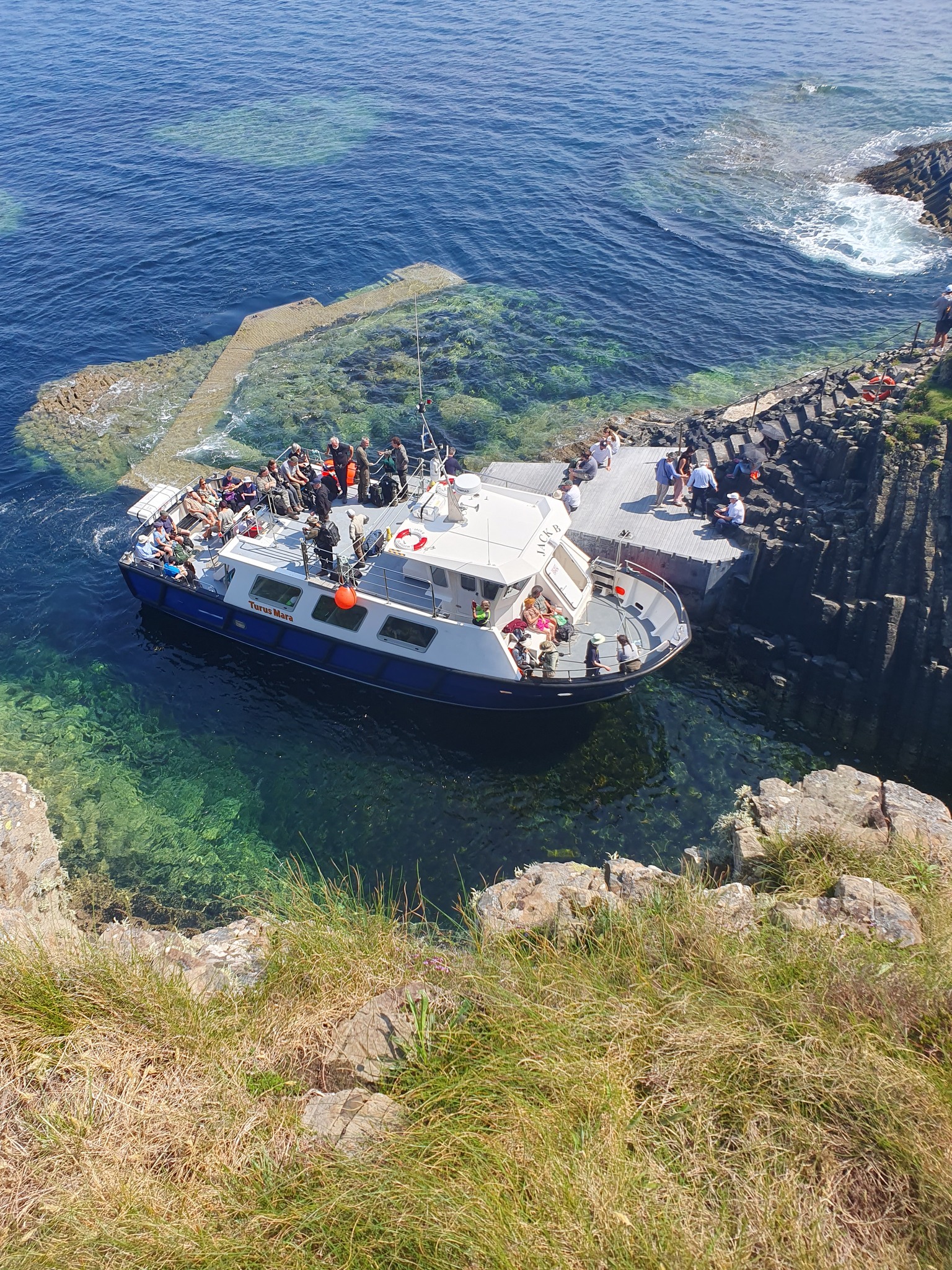
Hi. I am Peter Skinner, one of the NTS rangers for Staffa, Lunga and Iona for my second summer season.

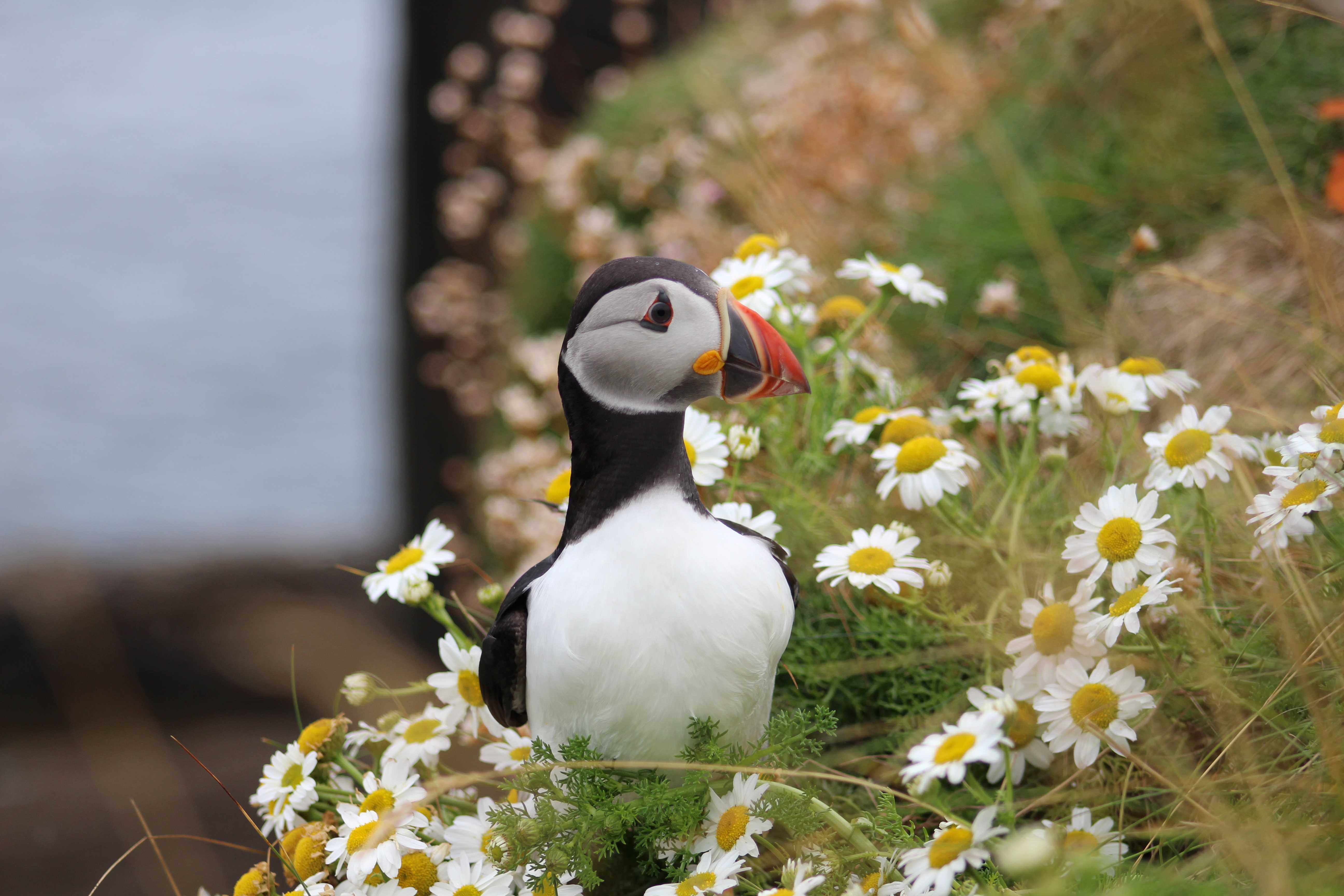
Staffa has just reopened to visitors after work building a new jetty. The picture shows one of the boats bringing visitors, of which there can be 4 to 5 hundred on a busy day. They come to see the amazing geology, puffins and other wildlife. My job is to greet the visitors, answer lots of questions and ensure the wildlife is respected with so many visitors. We monitor some of the seabirds such as fulmar, shags, gulls and storm petrels. We also record all aspects of nature such as this common blue butterfly.

It is great seeing so many people encounter puffins for the first time. It feels like a privilege to work in such an amazing place, help protect it any enable so many visitors to experience coming here.


The seabird season is in full swing on Lunga with the sound of shag, razorbill, guillemot, puffin and kittiwake chicks filling the air (to name a few!). Before we know it, the birds will be back out to sea for another winter.

Lunga is the largest of the Treshnish Isles, an archipelago in the Inner Hebrides that came into the care of the National Trust for Scotland in 2023. My name is Louise and I am privileged to be a ranger for my third season, sharing these beautiful islands rich in wildlife. Each day brings a variety of tasks like recording sightings, checking wax blocks for the presence of rodents (or hopefully lack of!) and answering thoughtful questions. June is an exciting time on Lunga, bringing lots of lovely visitors and new life, as well as, the Treshnish Isles Auk Ringing Group (TIARG) attending to do the annual counts and tagging of seabirds.

A particular favourite for a lot of people, me included, is watching the moment a puffin brings a beak full of sandeels back to the burrow where a puffling eagerly awaits! If you capture a seabird with fish in its beak you can contribute to ‘Seabirds, camera, action!’ to help Scotland’s seabirds! Find out out more here:

https://www.nts.org.uk/stories/seabirds-camera-action


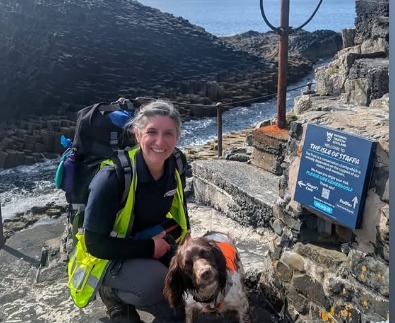
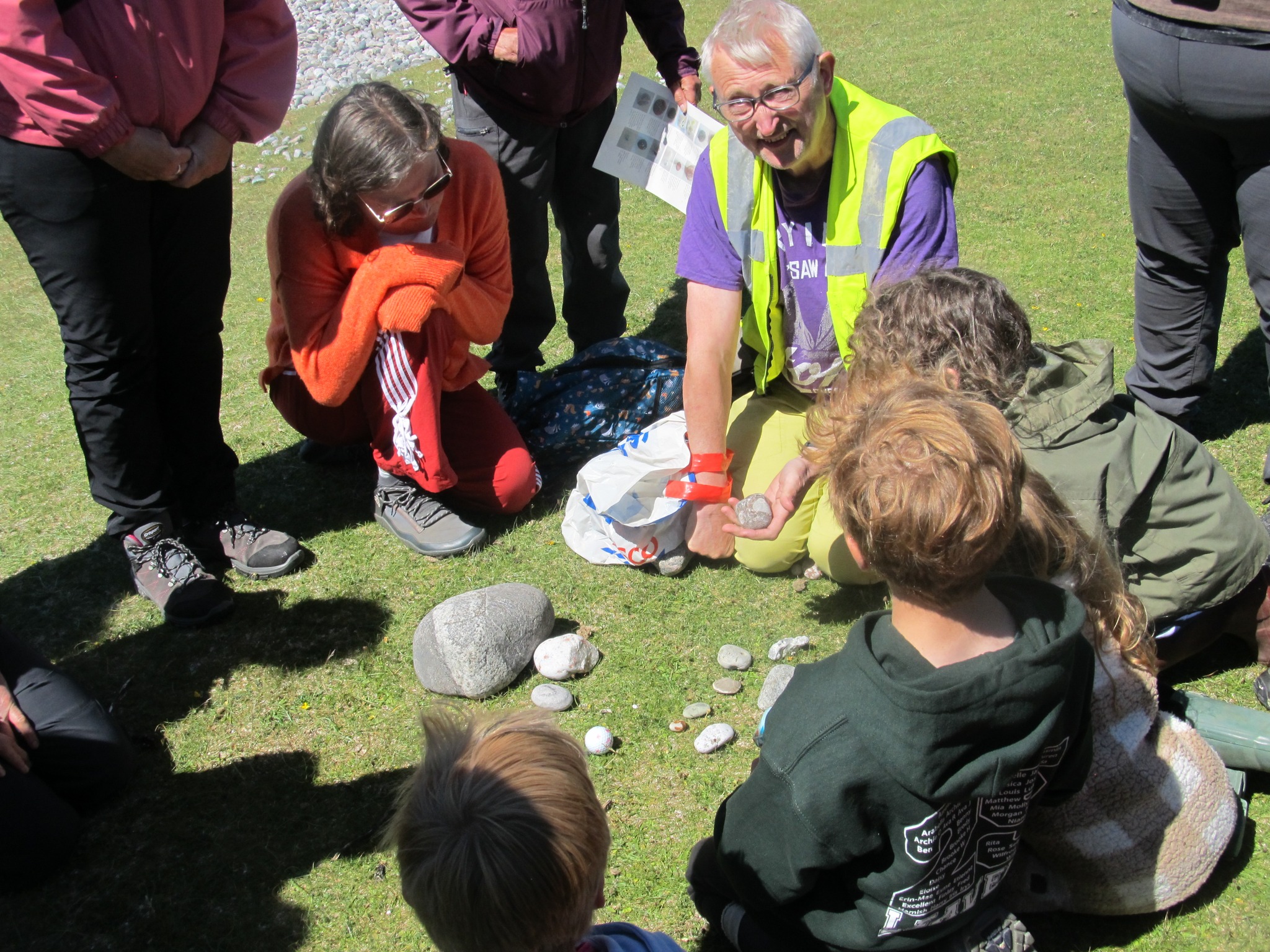
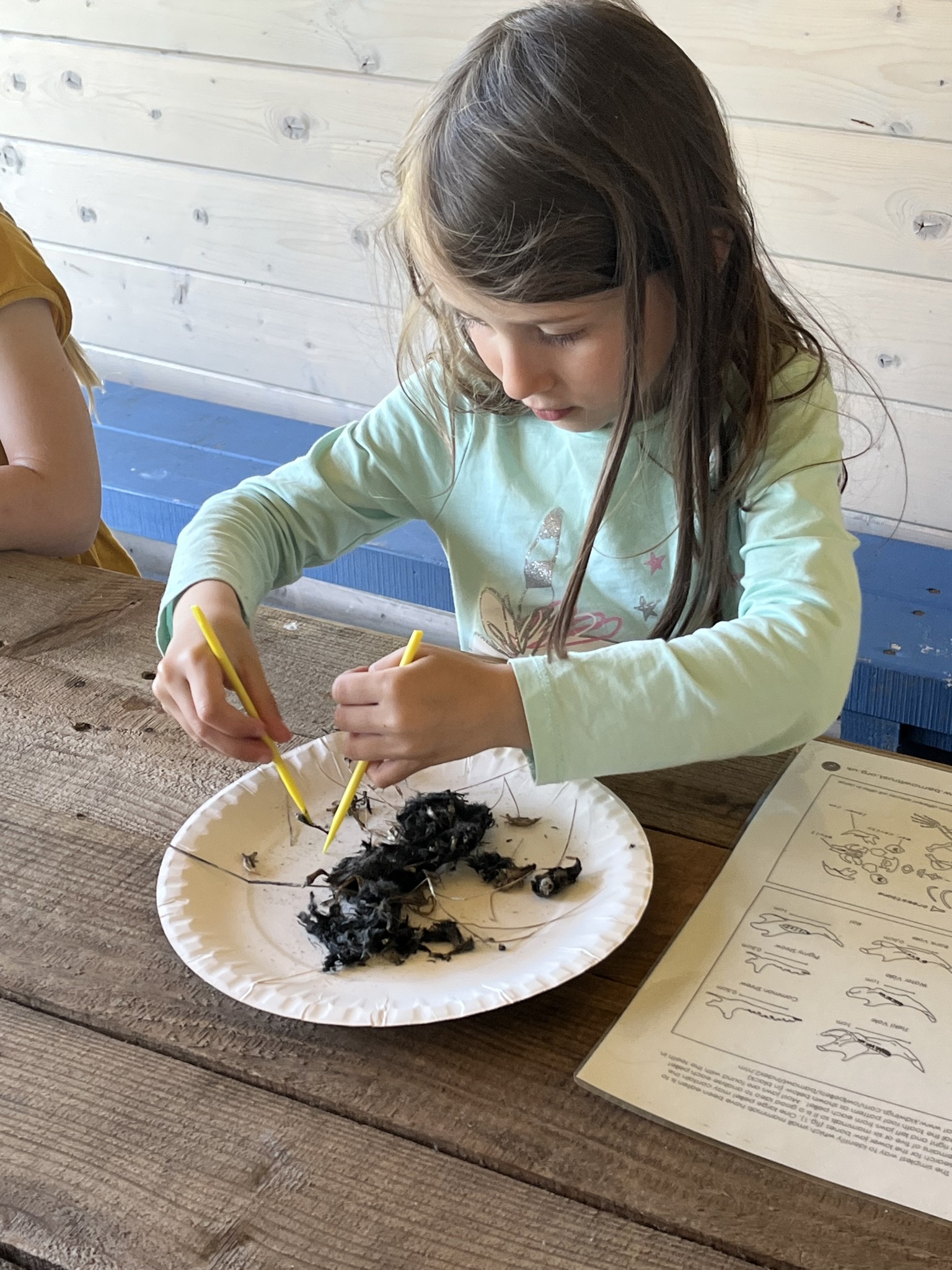
What else have we been up to recently? In the last couple of months we have hosted a royal visit to Ardura Community Forest; worked with our local primary schools on topics ranging from owl pellet dissecting, to adders, slow worms and bees; carried out a seabird census of Iona’s offshore islets; searched for alpine plants and carried out Habitat Impact Assessments high up above Burg’s clifftops; raised awareness about responsible visitor behaviour; run a community garden bioblitz; teamed up with a local geologist for two popular Pebble Picnic events; encouraged volunteers to participate in Buglife’s Riverfly project; hosted Rachel and Reid (the rat-detecting dog) from Biosecurity Scotland – thankfully our seabird islands remain rat-free! Never a dull moment!

Seasonal ranger posts

Exciting news! National Trust for Scotland are recruiting for 3 seasonal ranger posts across our islands this year. Please indicate at the top of the application form which is your preferred location. (Currently only the Staffa job description is on the website, but the Lunga and Staffa/Lunga/Iona roles should appear there next week and are very similar.) https://www.nts.org.uk/volunteering-jobs/job-search/highlands-islands-region

A day in the life of the Staffa seasonal ranger

One of the organisations our ranger service works in partnership with is the National Trust for Scotland. Guest blog from Louise King, this year’s NTS Staffa seasonal ranger, looking back on this summer.

Staffa is particularly well known for two things: Fingal’s Cave, a remarkable sea cave carved into the free-standing basalt columns, and the comical, pint-sized puffins that make the island clifftops their home between April and early August each year. As incredible as these two elements are, there is even more to Staffa. It is a completely awe-inspiring island, with a constant fluidity to match the flowing topography of the landscape and the surrounding seas.

Before being entrusted with the position of ranger (my dream job!) thanks to the funding raised by players of People’s Postcode Lottery, I had been fortunate to visit Staffa on several occasions. Even though I now step ashore almost daily, no two days are alike. There is always something different to see, a new nook to explore, changing colours through the seasons, distinctive bird song filling the air, the weather showing its power, and unexpected wildlife encounters.

My day begins on the geologically rich shores of Fionnphort in Mull, where the tour operators’ boats welcome us aboard. There is always a hum of excitement in the air, as people from all walks of life gather to visit the spectacular Inner Hebrides, each with their own stories.

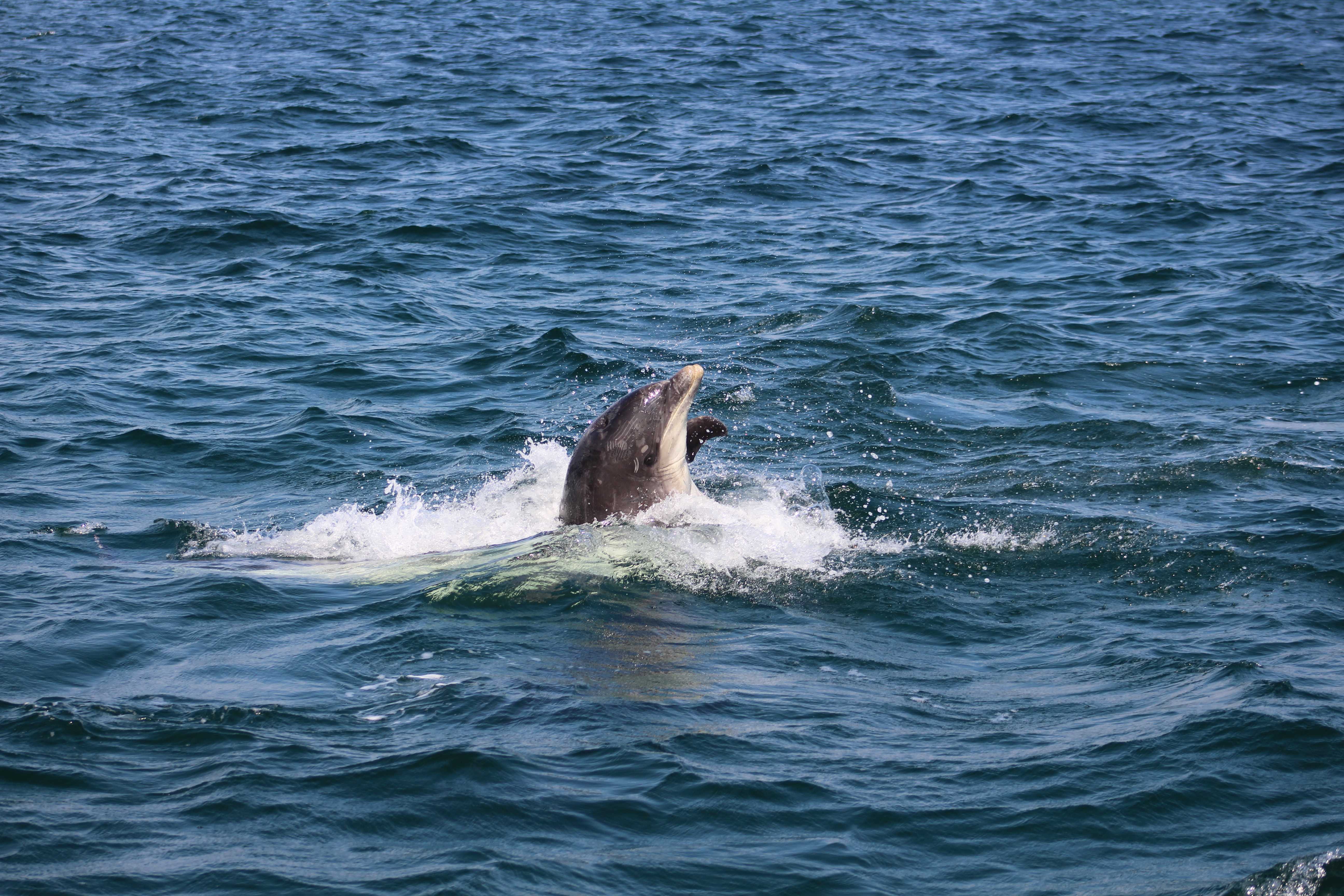
From the get-go, Staffa is in sight, along with several other island properties we manage in the area: IonaBurg and, very excitingly, the newest Trust property at the Treshnish Isles. My work supports our conservation charity’s vision to care for, protect and share these special places, now and for future generations to enjoy. The 6-mile boat journey north is an experience in itself, whether riding the long rolling waves of the Atlantic swell or gliding through mirror-like seas. The seas of the Hebrides are abundant in marine life. Particular highlights so far have been lunge-feeding minke whales, seals sunning themselves, my first-ever basking shark, leaping common dolphins, blooms of jellyfish and boisterous bottlenose dolphins – not bad for the daily commute!

Upon reaching Staffa, many people are overwhelmed by the sight of the Great Face’s basalt columns towering over us. After landing at Clamshell Cave, manoeuvred expertly by the skippers, I scramble along the causeway to Fingal’s Cave, checking the path as I go to ensure it’s safe for visitors. The cave is rarely quiet, be it the sound of roaring waves that inspired Mendelssohn’s The Hebrides overture or people making their own music on calm days. Often, there are echoing gasps of amazement … and even the occasional bagpipe rendition too.

I then climb the staircase to the top of the island, following the newly laid meandering paths to the puffin colony. Here, people eagerly await the puffins’ emergence from the sea below. These little birds take to the skies in a wheeling flight, flapping in unison in large circles out from the sea along the edge of the cliff before landing, often with a less-than-graceful thud, by their burrows. The sight of these bright-billed birds mere metres away brings a chorus of excited gasps, some people even shedding joyous tears. It’s a special moment in people’s lives that I feel humbled to witness.

I spend a lot of time here at the north end of the island by the burrows, engaging with visitors to help give an insight into the ‘secret life’ of the puffins, answering any questions and discussing the environmental importance of these seabirds.

Beyond my set daily tasks, my adventures vary. So far, they have led me to cover more of Staffa than I could have imagined. I have studied wildflowers, rambled in rockpools and surveyed many of the breeding bird species including puffins, shags, fulmars, black guillemots, gulls and storm petrels. Hearing the latter’s soft purr and calls from among fallen rocks was a special moment, made more so because I was able to share it with some kayakers. Despite their own amazing travels inciting a little jealousy in me, they said this made their holiday.

I have also had the opportunity to explore many of the caves on Staffa, including the Cannonball Cave whose cylindrical chasm is thought to have been created by a tree trapped in the lava flow that eroded away – how cool is that! From wildflowers coming into bloom and baby birds being born, to surprise encounters with otters, white-tailed eagles and a humpback whale towards Lunga, I never know what’s in store for me!

One of my favourite spots on the island, where I find a little peace between landings, is perched above the Great Face, looking down onto Boat Cave. Here you can clearly see the three untouched formations of ash, basalt columns and chaotically jointed pebble effect. On stormy days, the wind whistling round the cliffs stirs up the birds who float effortlessly, whilst calm days provide the best spotting opportunities for marine life and passing boats. It certainly puts a lot of things into perspective.

Working on Staffa is not without its challenges. Being exposed to the elements, it’s easy to see why this island has remained uninhabited. Some days appear miserable, wet and windy; others offer no shelter from the glaring sun (who knew that happened in Scotland!). Luckily, no matter the weather, each day brings a surprise and some fun of its own.

The impact Staffa has on people personally is astounding. Whether you find serenity or have your senses overwhelmed, it evokes a reaction in everyone. I am unbelievably privileged to be able to share with people, and impart my knowledge on, such an extraordinary place, full of history and natural landscapes. I love doing my bit to protect Staffa, so it can be cherished for many years to come.

The conservation and engagement work carried out by Louise on Staffa was supported through funding from players of People’s Postcode Lottery, who have now raised more than £1 billion for thousands of charities and local good causes.

Staffa happenings

Staffa is one of the islands we look after here at the ranger service, it’s part of our partnership with the National Trust for Scotland.

Plenty of activity on this little island recently! Louise King, the new NTS seasonal ranger has arrived and is enjoying getting to know the place and enhancing our visitor experience with plenty of information, often to be found at the puffin colony where birds are returning and have just started coming on land to sort out their burrows for egg laying. Louise brings a lot of knowledge about rockpool creatures and marine mammals, here she is investigating the intertidal zone.

Sadly the birds that are not returning are our fulmars. Cliff faces that were dotted with nest sites a few years ago are now eerily quiet. Fulmar populations are declining nationally, with marine plastic and climate change affecting food supplies, but ours gave up their breeding attempt mid-season last year and have not returned. We don’t know if they were spooked by something or whether it’s just part of the general decline for this species, but it’s sad to lose a breeding species from the island. Hopefully they will try and re-establish a colony in the future.

More positively, Louise and Emily spent a night on Staffa with volunteer bird-enthusiast Igua, to enable a dawn black guillemot count which revealed numbers of this auk species are healthy. Birds nest in hidden cracks in the cliffs, but fly down before sunrise ready to head out to sea to fish, displaying their big red clown feet as they perch on the edge of the rocks ready to dive in!

In other wildife news, we are keeping a close eye on the colony of shags breeding in Clamshell Cave this year. As they are so close to the landing jetty we need to ensure they have fledged all of their chicks before we start improvement works there in late summer/autumn. This means Staffa will be closed to all landings for a couple of months from mid-late August onwards.

On the maintenance side of things, we hosted NTS Footpath Manager Bob Brown last week to help us plan future repair work. We love welcoming visitors to explore this National Nature Reserve, but tens of thousands of human feet every year do take their toll on the ground surface, so we are gradually making paths more durable and less muddy. We also completed a spring beach clean and good to see there wasn’t too much rubbish needing taken away.

As avian influenza (bird flu) continues to be a threat to seabird colonies, we will be installing a disinfectant mat and roping off some areas to reduce disturbance to our seabirds, please watch out for signage on the island and play your part in protecting our wildlife.

More frequent updates can be found on the Staffa Twitter account.

Countryside jobs available on our islands

There are 3 roles available:

This role can also be found on CJS here: https://www.countryside-jobs.com/job/feb23/seasonal-wildlife-ranger-mull-and-iona-community-trust-1602-1

Meanwhile the National Trust for Scotland are recruiting for 2 roles which will work alongside our ranger service here on Mull, Iona and Staffa – a Staffa Seasonal Ranger, and an Inner Hebrides Property Manager.

More details of the Staffa role can be found here: https://www.countryside-jobs.com/job/feb23/seasonal-ranger-national-trust-for-scotland-1002-6

More details of the manager role can be found here: https://www.countryside-jobs.com/job/mar23/inner-hebrides-property-manager-national-trust-for-scotland-1002-3

Volunteer Assistant Ranger opportunity

We are looking for a volunteer assistant ranger for 3 months full time beginning early June. This is a great opportunity to develop skills and experience in nature conservation and rangering. The role involves assisting with varied tasks over a number of island sites, including delivery of education projects and public events programme, providing information to visitors, wildlife survey work, practical maintenance tasks. Accommodation and some travel costs will be covered.

You must show enthusiasm for wildlife and the great outdoors. Some knowledge/experience in the relevant field would be useful but more important is flexibility, good communication skills, an ability to work under your own initiative, and a desire to learn. You will need to be willing and able to work outside or inside in all weathers, including some lone working in rugged coastal terrain. Some weekend/evening hours will be required.

Any questions please contact:

Emily Wilkins ewilkins@nts.org.uk   01681 700659   07717581405

A full job description is available below.

Click here for job description

Click here for application form.

 CLOSING DATE

Closing date: 9am on Monday 13th April.  Please return completed application form to: ewilkins@nts.org.uk

Interview date: Thursday 30th April

Emilie BrignallDaniel at pigeon cave


You can also scroll back through the blog to read about the experiences of previous summer volunteers, Emilie in 2019, Georgia in 2018, Kate in 2017 and Daniel in 2016, for example:

https://mullionarangerservice.com/2016/06/20/a-busy-week/

https://mullionarangerservice.com/2016/07/15/past-the-tipping-point/

https://mullionarangerservice.com/2016/08/16/all-good-things-must-come-to-an-end/

https://mullionarangerservice.com/2017/06/18/fun-filled-fortnight/

https://mullionarangerservice.com/2017/07/17/moths-flowers-and-walks/

https://mullionarangerservice.com/2017/08/08/summer-holiday-fun/

https://mullionarangerservice.com/2018/06/07/breaching-basking-sharks-and-bombing-bonxies/

https://mullionarangerservice.com/2018/08/23/what-a-summer/

https://mullionarangerservice.com/2019/06/20/start-of-the-summer-season/

https://mullionarangerservice.com/2019/08/16/a-summer-on-mull/


Autumn in the air

Bright rowan berries, bracken changing colour…although mixed with a lovely splash of purple from scabious, knapweed and heather flowers, it definitely feels like autumn is approaching, especially with the wild weather we’ve been experiencing lately.  Our recent guided walk to Shiaba discovered the burn (usually easily fordable) to be a raging torrent so we had to be content with viewing most of the buildings in the distance!  Luckily as we stopped for lunch the clouds started to clear allowing views of Carsaig Arches and Colonsay too.

Here on Iona and Staffa we’ve just hosted the National Trust for Scotland’s footpath repair team, and also a hardy group of Thistle Camp workparty volunteers, who’ve been out in all weathers making improvements to our well-used paths.  With tens of thousands of visitors a year our footpaths need constant maintenance to counteract the impact of all those feet.  So enjoy our new stepping stones and a slightly less muddy experience next time you are walking to Columba’s Bay, the Hermit’s Cell or Staffa’s puffin colony!  Thistle Campers also worked on repairs to drystone walls and collected rubbish from a number of Iona’s beaches.  The footpath team will be back next spring when they will also be carrying out repair work to the landslide-affected path at Burg.

In my last blog post I told you about our first Nature Adventure Day along with Headland Explorations, well the programme continued with a group exploring St Martin’s Caves on Iona, foraging for seaweed and cooking it on a beach fire lit using flint and steel and natural tinder (dried bog cotton and grasses).  We had seaweed soup, seaweed-flavoured popcorn, fried seaweed and a carragheen pudding!  Thanks to Miek Zwamborn for sharing her expertise.

The last day involved an adventurous sail on Mark Jardine’s B.Marie, high winds causing us to abandon our original plans to travel around the south coast of the Ross of Mull for climbing and beach cleaning, in favour of heading around the north of Iona to sheltered Port Ban.  Everyone enjoyed having a go at climbing and investigating the plant life of the bay with a game of wildflower name pictionary.  Many thanks to the Dutch family from Erraid who kindly used their own boats to collect the beach rubbish from Traigh Gheal a few days later.

Other successful summer days included Woodland Tribe at Tiroran Community Forest where children and young people got to create their own adventure playground which should last up to 5 years.  Feel free to use it next time you’re there, and if you haven’t already seen the Woollen Woods, most of it is still in place too.  I’m now busy helping Bunessan Class 1 with their nature trail topic, along with Philip Yielder (Community Forester at Tiroran) so look out for a new trail to follow in the forest this autumn!

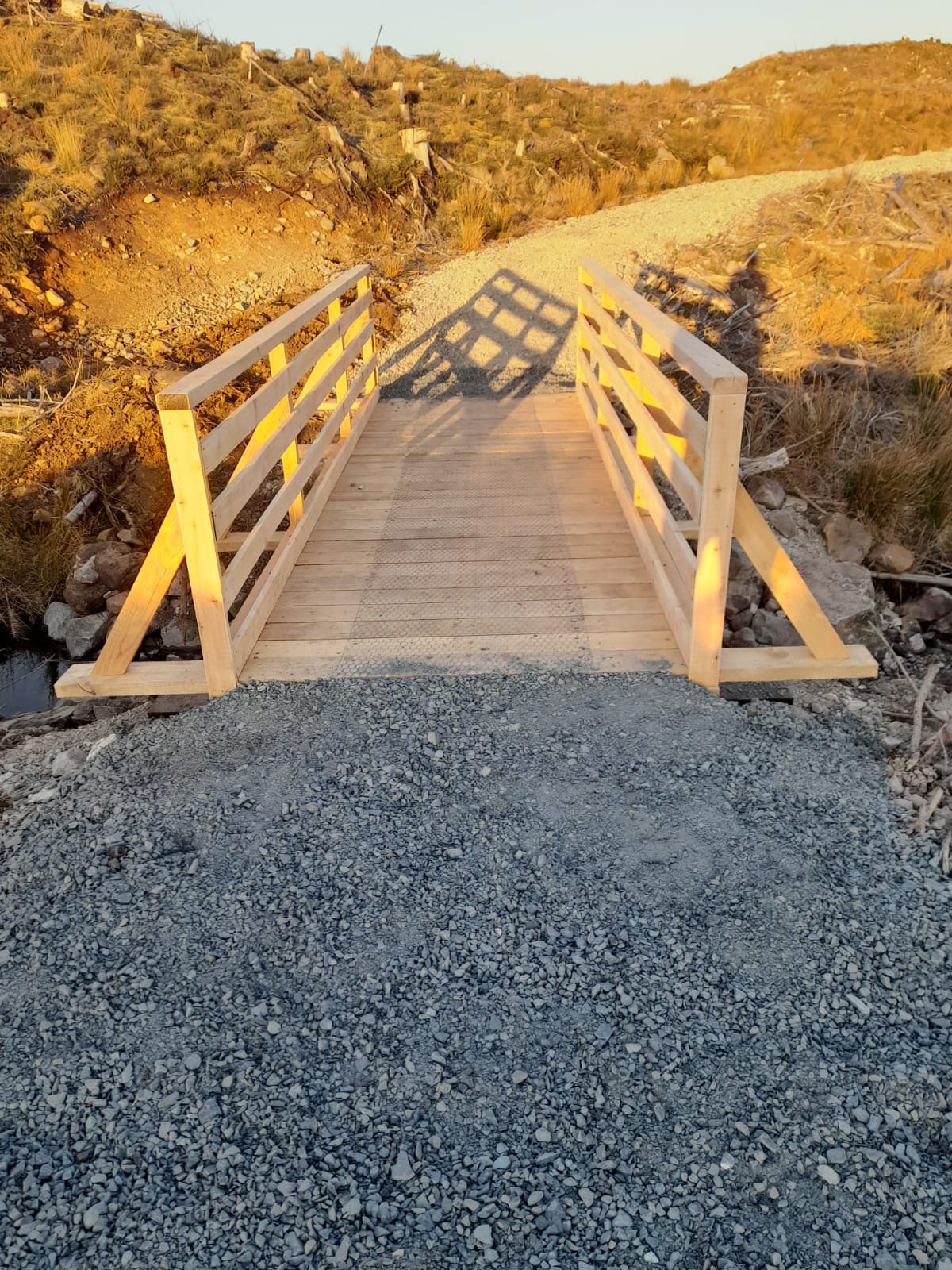
I also really enjoyed the opening celebrations for the Loch Pottie path, standing in the rain 10 minutes before the agreed time I was wondering whether anyone would turn up, but a last-minute rush saw over 100 people led by the pipe band and children on bikes all walking the path together to declare it open.  It’s since been great to see it well-used and appreciated by everyone from visitors on an evening stroll, to locals walking their dogs and children cycling to the shop.  Look out for new interpretation signage in due course.

The last of our wildlife surveys for the year saw me joined by some volunteers with a head for heights as we checked up on the spread of bracken at Burg and counted our population of the rare Iceland Purslane plant.  Work also continues on the bothy renovations at Burg, and on the Fingal’s Cave walkway on Staffa which is nearing completion.

As some of you will be aware through our displays at the agricultural shows we were covering endangered species, one of which may well be YOUR ranger service. The Ranger Service is a partnership made of National Trust for Scotland (NTS), Forest and Land Scotland (FLS)and Scottish Natural Heritage (SNH) and we are managed by Mull and Iona Community Trust. Unfortunately, FLS cease to fund us totally at the beginning of April next year and SNH have cut their support by 50% so our ranger team may well be under threat unless we find alternative funding. If you have time to drop us a supportive email (to mfinch@mict.co.uk) about an event you have enjoyed, what your children thought about one of the school trips we have organised, the benefits of volunteering or the difference made by our co-ordination of community access projects, beach cleans or any other aspect of our work we’d be glad to hear from you as we can use any positive comments as evidence for potential funders! We will keep you up to date as things develop but any support for our service would be much appreciated.

thanks for reading,

Emily