Recently we showcased our work through the Scottish Countryside Rangers Association social media channels. Here’s a summary of who we are and what we’re working on this year.






Hi. I am Jan Dunlop and the Ranger Manager for Mull and Iona Ranger Service. My job predominantly covers the north of the island and the islands of Ulva and Gometra.
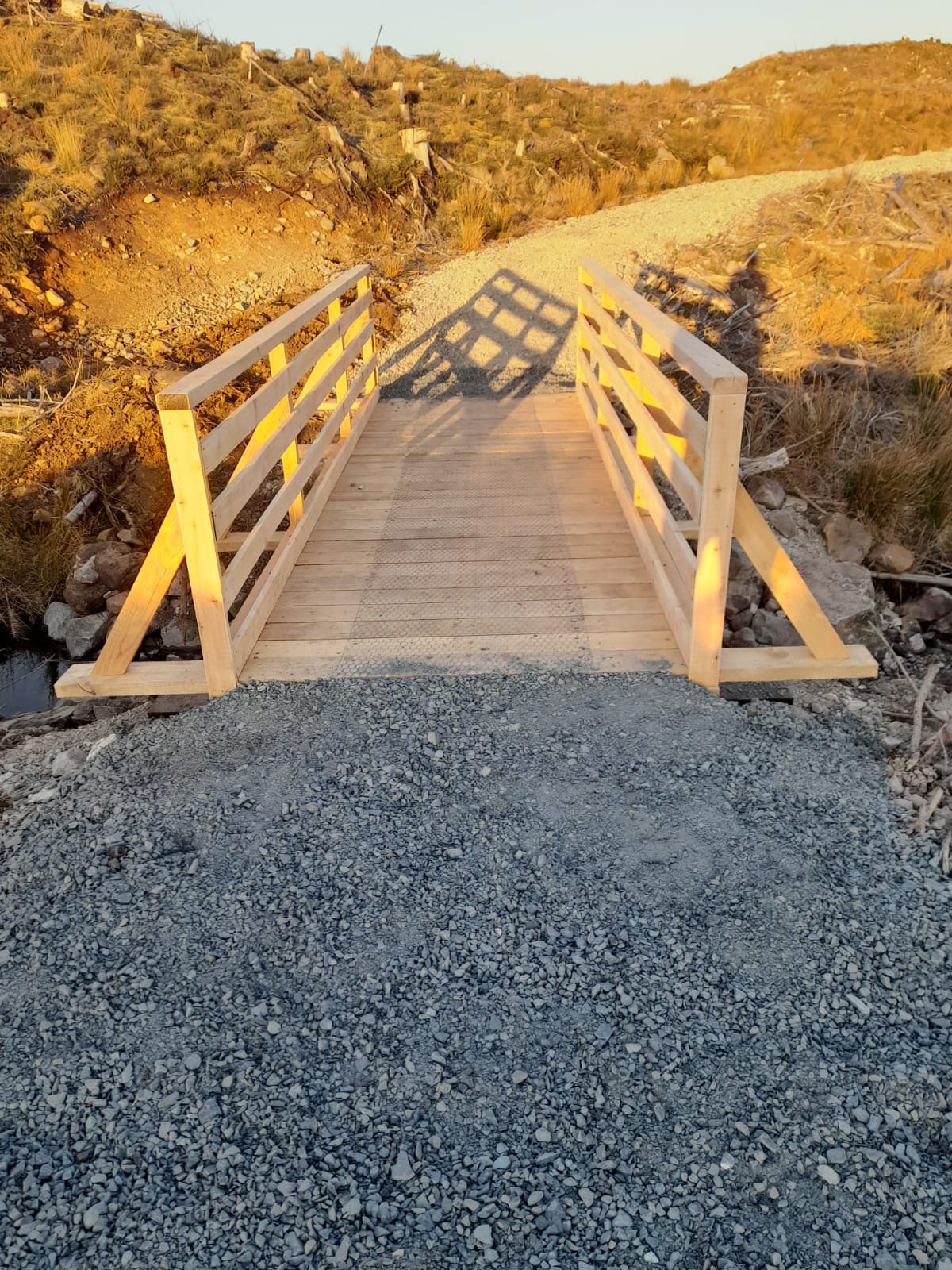
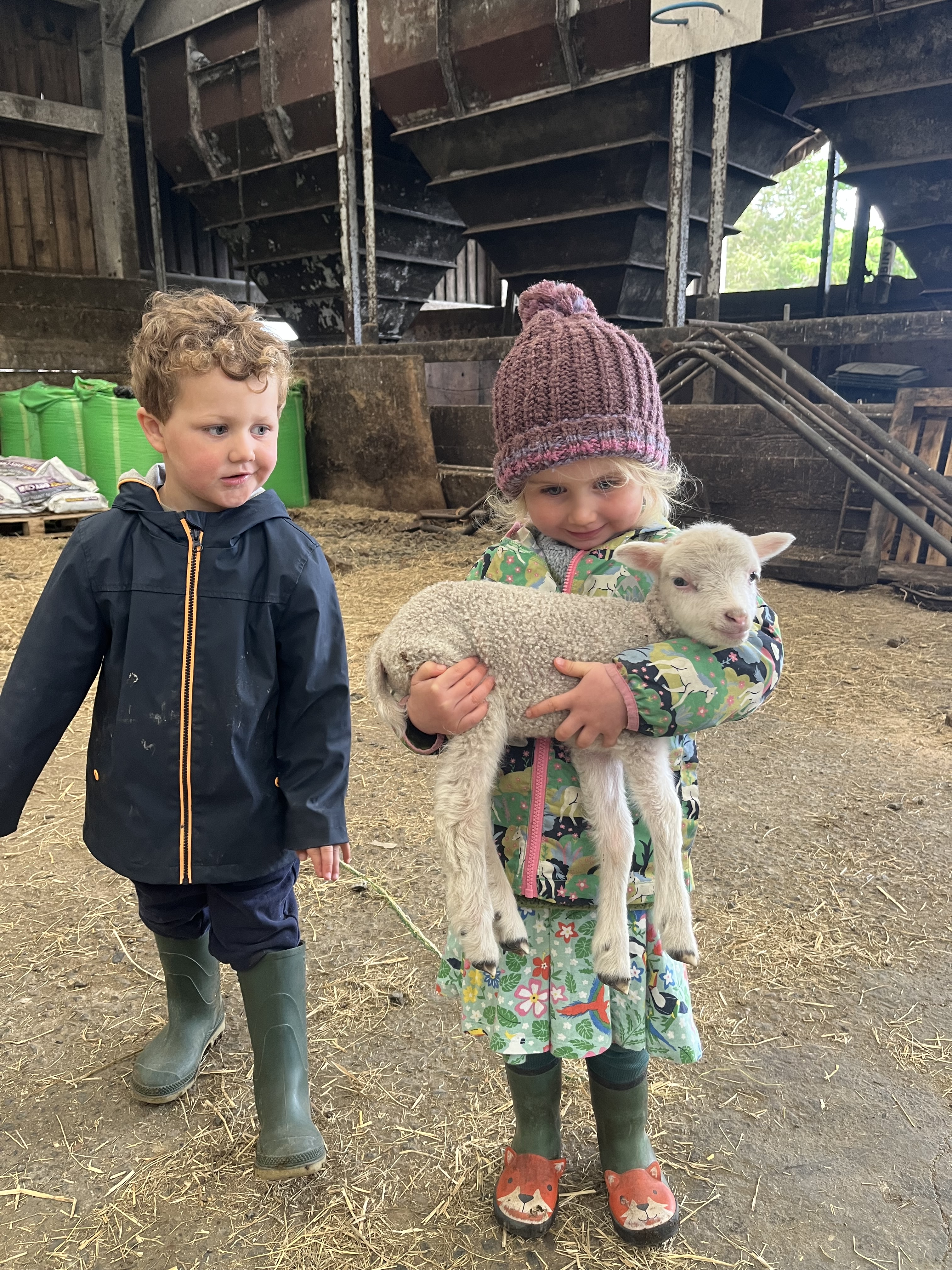
The beauty of our jobs are that we can plan for our days but something else quite often becomes more of a priority and we have the flexibility to work with this. We are very lucky to have a very wide remit from environmental education for all ages, working with land managers on access type issues, conservation management and in particular helping manage Calgary SSSI and encouraging use of Ardura, our community woodland; and that is just for starters.
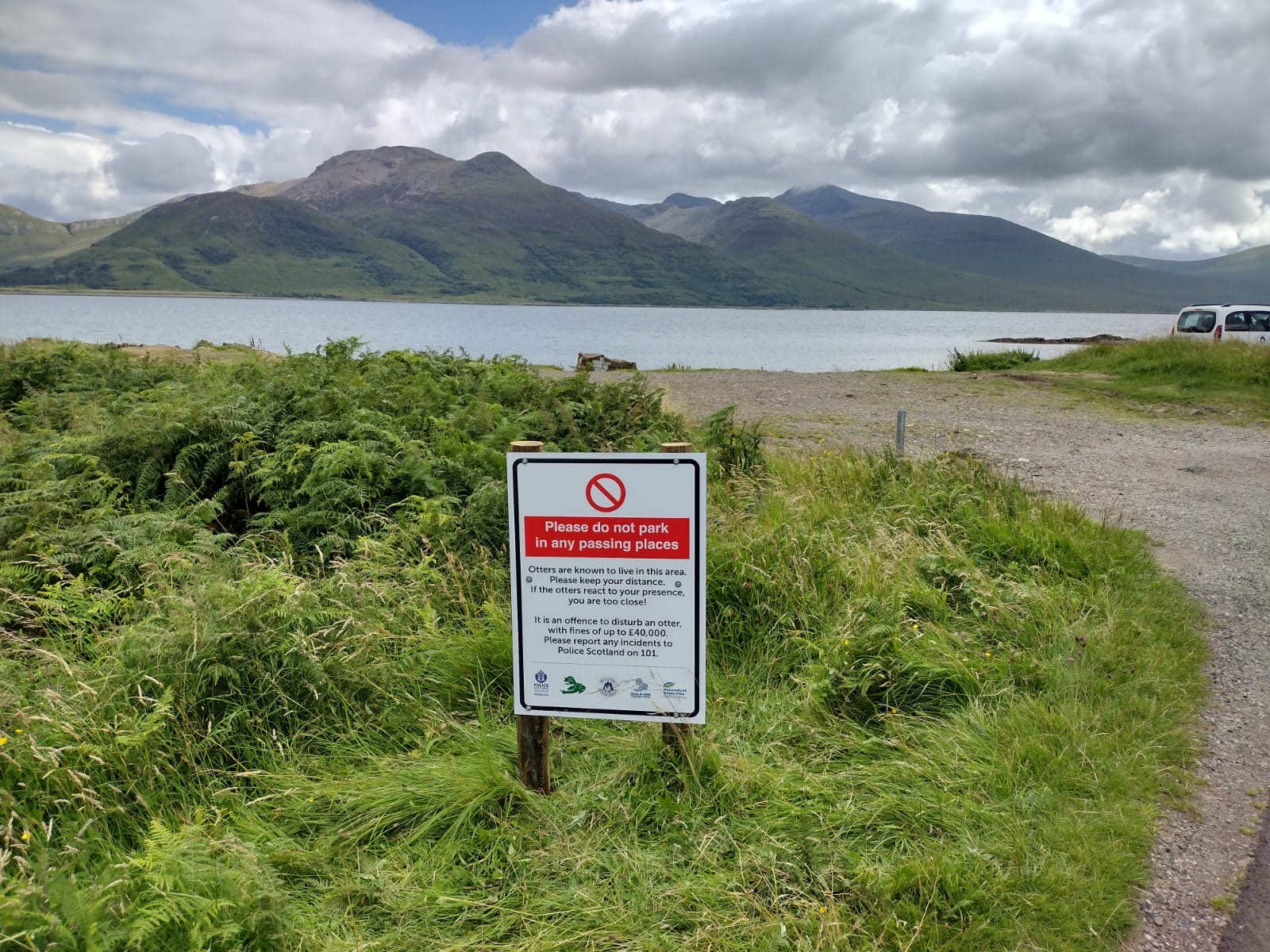
Mull is a key spot for wildlife watching and photography, and some of our job is educating about responsible wildlife watching particularly otters, hen harriers and eagles.
Our volunteers and our local communities make our job a real pleasure to do and wouldn’t be possible without them. Working on an island is also very special as are our close work colleagues. Funding for our Ranger service is our biggest challenge and has got increasingly hard over the last 25 years that the ranger service has been in existence, but like mink we are pretty hard to eradicate.
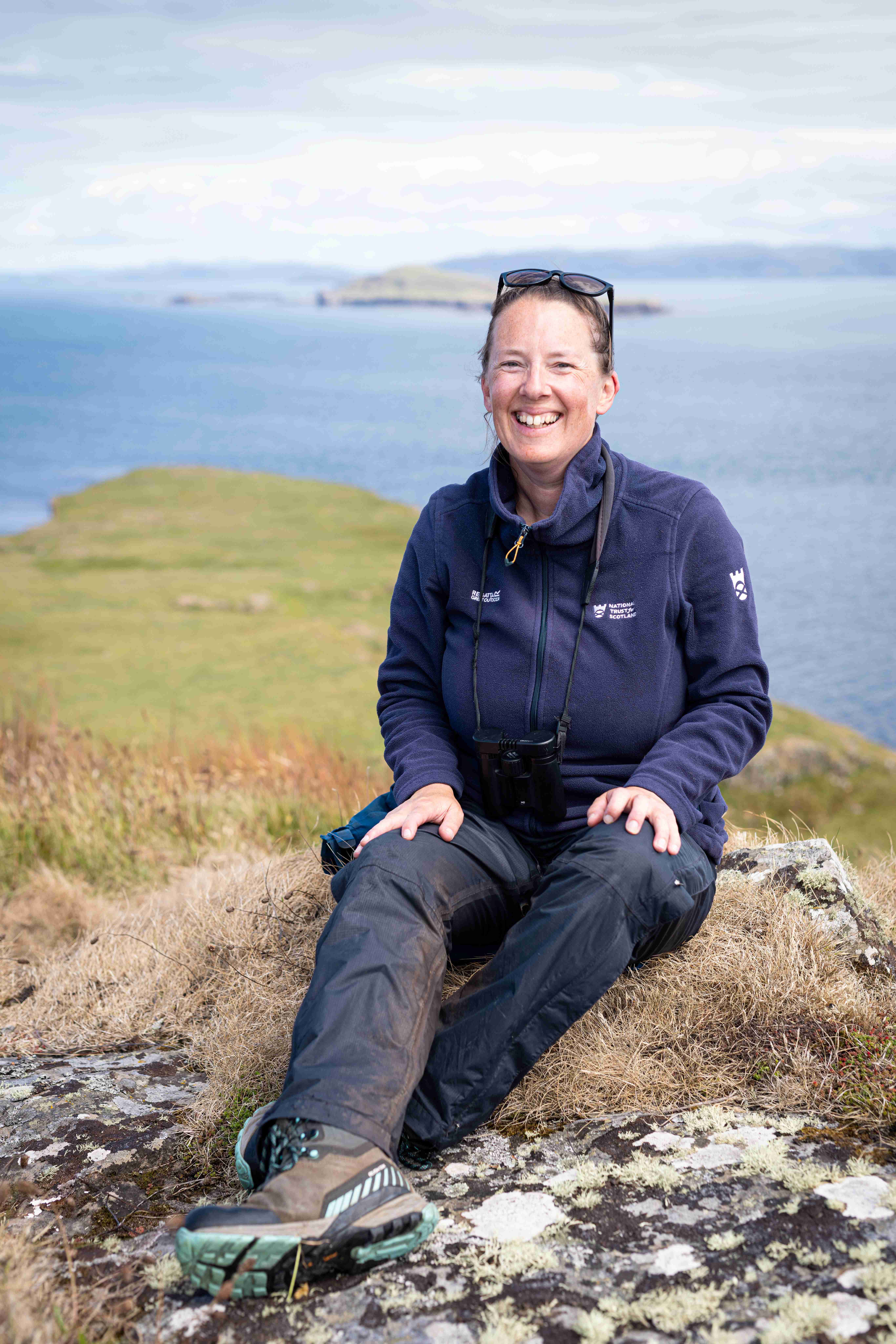
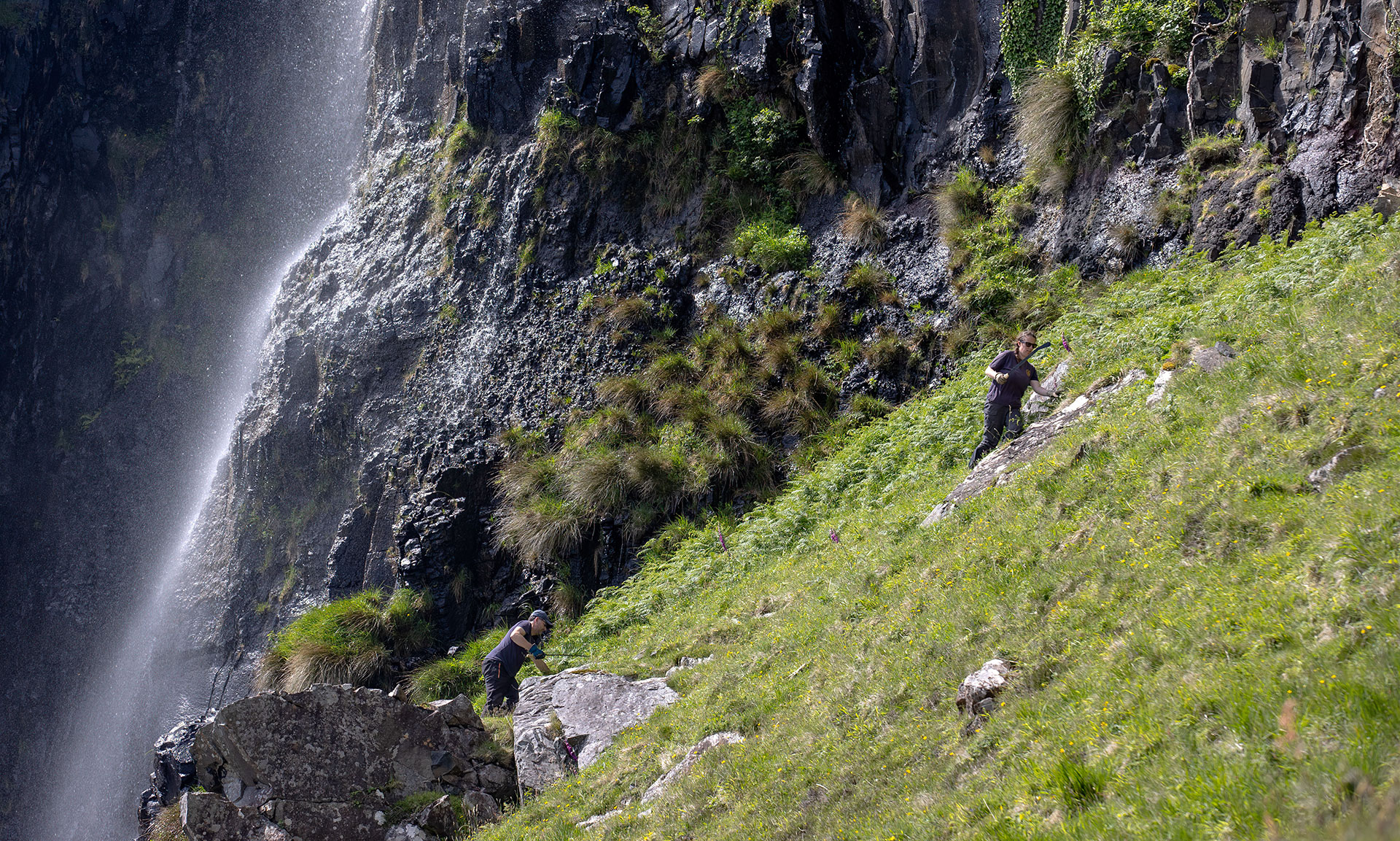

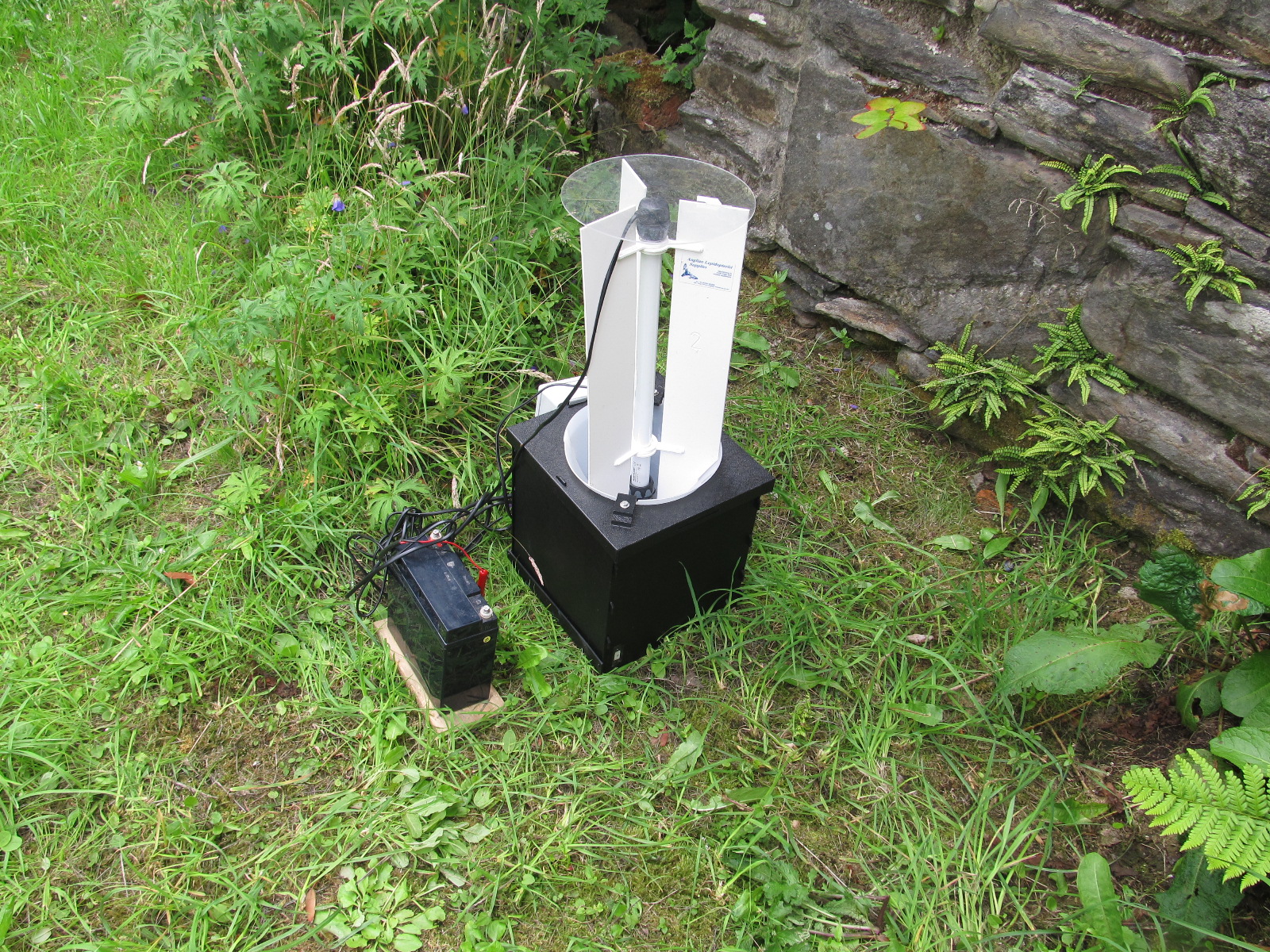
Hi, I’m Emily Wilkins and I work in a partnership ranger role between Mull and Iona Community Trust and National Trust for Scotland. My focus is on the south-west part of Mull (known as the Ross) and the NTS estates of Burg (on Mull), Iona, Staffa and the Treshnish Isles, getting involved in visitor engagement, access work, wildlife monitoring, environmental education and outdoor wellbeing events along with a great team of colleagues and volunteers. At this time of year survey work is a priority, in particular for the rare Slender Scotch Burnet moth and the plants on which it depends. Maintaining good habitat for the moth means finding a balance with grazing cattle, sheep, deer and feral goats, and also involves us in some adventurous bracken clearance on steep slopes! Find out more here: https://www.nts.org.uk/stories/burgs-beautiful-slender-scotch-burnet-moth


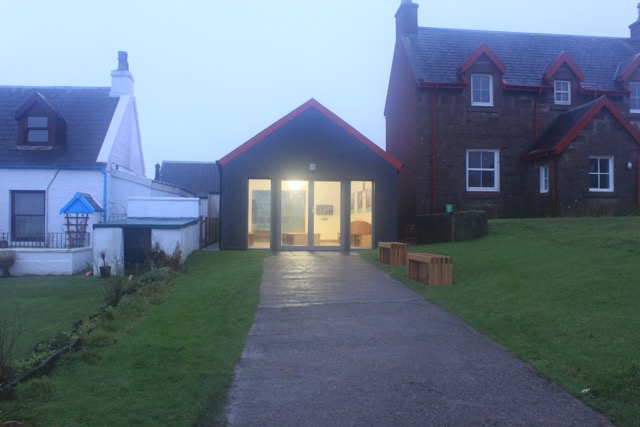
Hi I’m May, one of the NTS Seasonal Rangers on Iona, Staffa, and the Treshinish Isles, this is my first season! Our regular job on Iona is on Tuesdays when we run short, guided nature walks for visitors from our visitor shelter. In just 45 minutes we aim to introduce folk to the nature and wildlife on the island, something that doesn’t often get focussed on! We talk a lot on our new conservation farming efforts, including our new flock of Cheviot and Shetland sheep that will be doing some conservation grazing for us. All of this is to aid the fortunes of the elusive Corncrake, a moorhen sized bird that has declined by 70% since the 1970s, partly due to the intensification of farming. Not often seen, Corncrakes have a distinctive call, echoed in their scientific name of Crex crex. Another part of our work on Iona involves population surveys of the Corncrakes which have to be carried out between midnight and 3am as that’s when the calling is most active!
As part of our conservation farming efforts, we have left some meadows ungrazed and unmown, which has led to a wealth of wildflowers growing in them! Primrose, sea campion, meadow cranesbill, spring squill, cuckooflower, heath spotted and northern marsh orchids, yellow flag iris; the list is almost endless. Wildflowers are something we always make an effort to point out on our guided walks and the insects love them! Iona is such an amazing place for the visitors to come and visit and I love showing them around the island!


Hi. I am Peter Skinner, one of the NTS rangers for Staffa, Lunga and Iona for my second summer season.
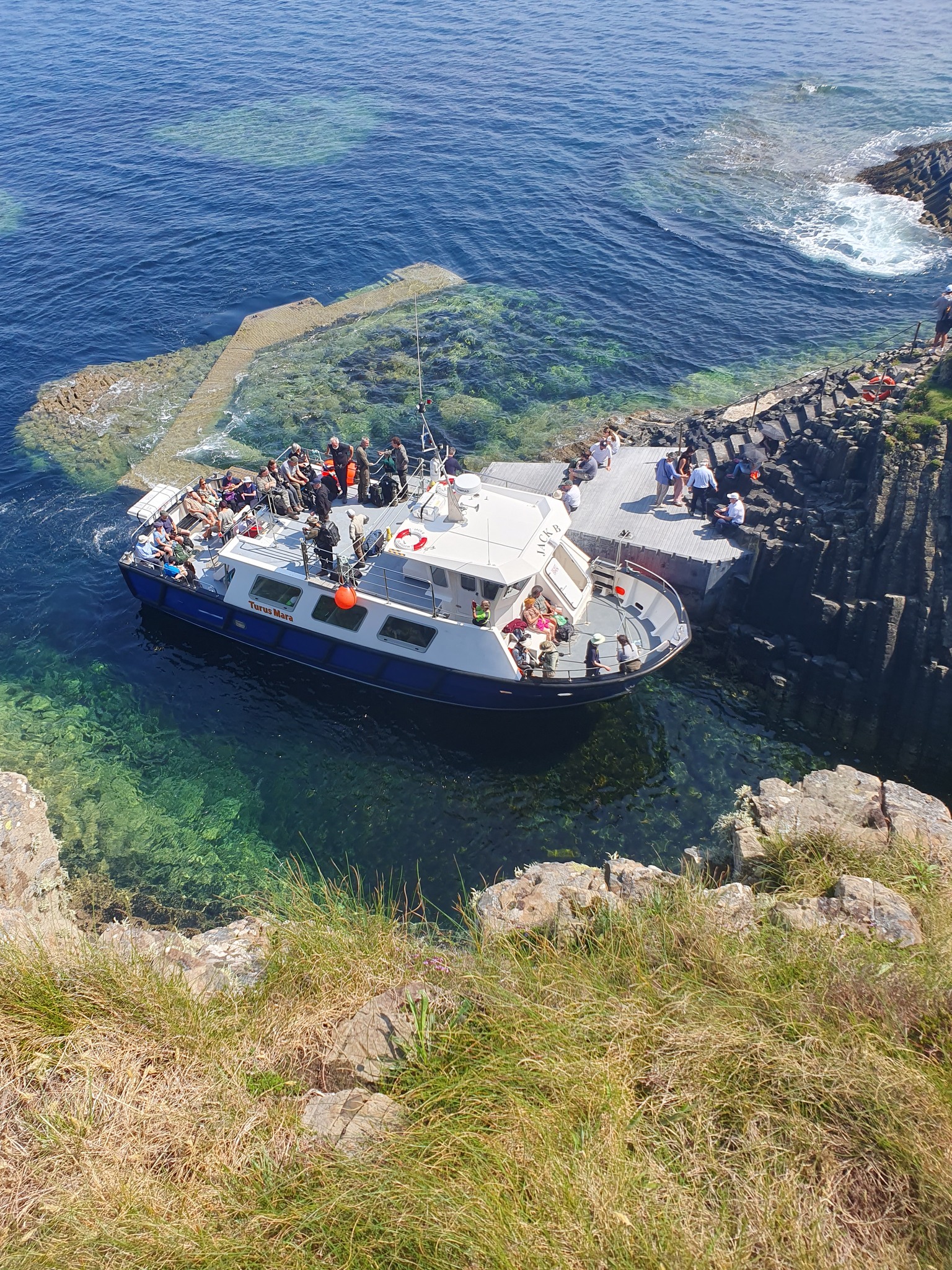
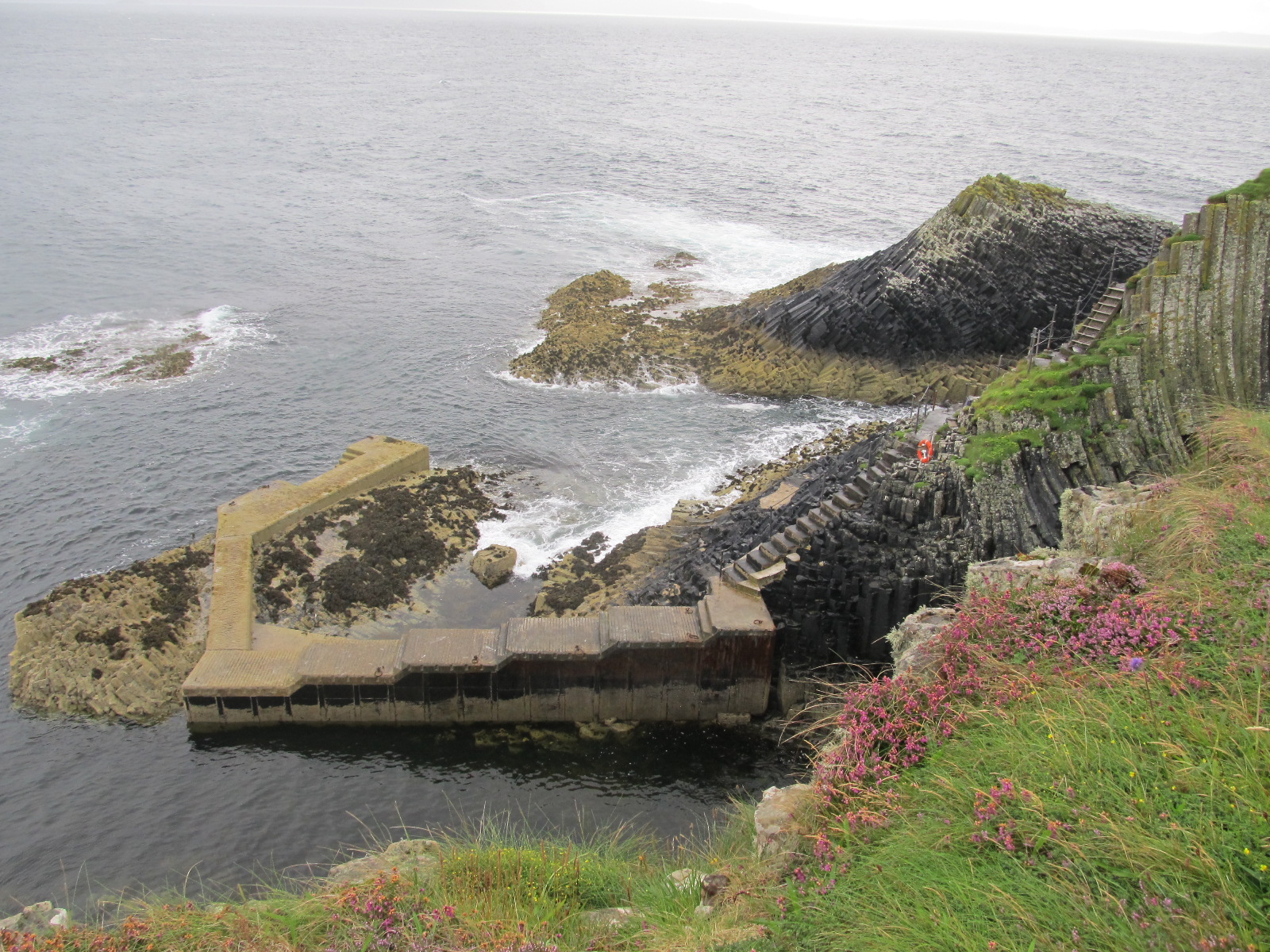
Staffa has just reopened to visitors after work building a new jetty. The picture shows one of the boats bringing visitors, of which there can be 4 to 5 hundred on a busy day. They come to see the amazing geology, puffins and other wildlife. My job is to greet the visitors, answer lots of questions and ensure the wildlife is respected with so many visitors. We monitor some of the seabirds such as fulmar, shags, gulls and storm petrels. We also record all aspects of nature such as this common blue butterfly.
It is great seeing so many people encounter puffins for the first time. It feels like a privilege to work in such an amazing place, help protect it any enable so many visitors to experience coming here.


The seabird season is in full swing on Lunga with the sound of shag, razorbill, guillemot, puffin and kittiwake chicks filling the air (to name a few!). Before we know it, the birds will be back out to sea for another winter.
Lunga is the largest of the Treshnish Isles, an archipelago in the Inner Hebrides that came into the care of the National Trust for Scotland in 2023. My name is Louise and I am privileged to be a ranger for my third season, sharing these beautiful islands rich in wildlife. Each day brings a variety of tasks like recording sightings, checking wax blocks for the presence of rodents (or hopefully lack of!) and answering thoughtful questions. June is an exciting time on Lunga, bringing lots of lovely visitors and new life, as well as, the Treshnish Isles Auk Ringing Group (TIARG) attending to do the annual counts and tagging of seabirds.
A particular favourite for a lot of people, me included, is watching the moment a puffin brings a beak full of sandeels back to the burrow where a puffling eagerly awaits! If you capture a seabird with fish in its beak you can contribute to ‘Seabirds, camera, action!’ to help Scotland’s seabirds! Find out out more here:
https://www.nts.org.uk/stories/seabirds-camera-action


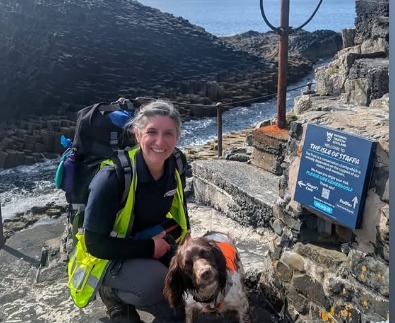


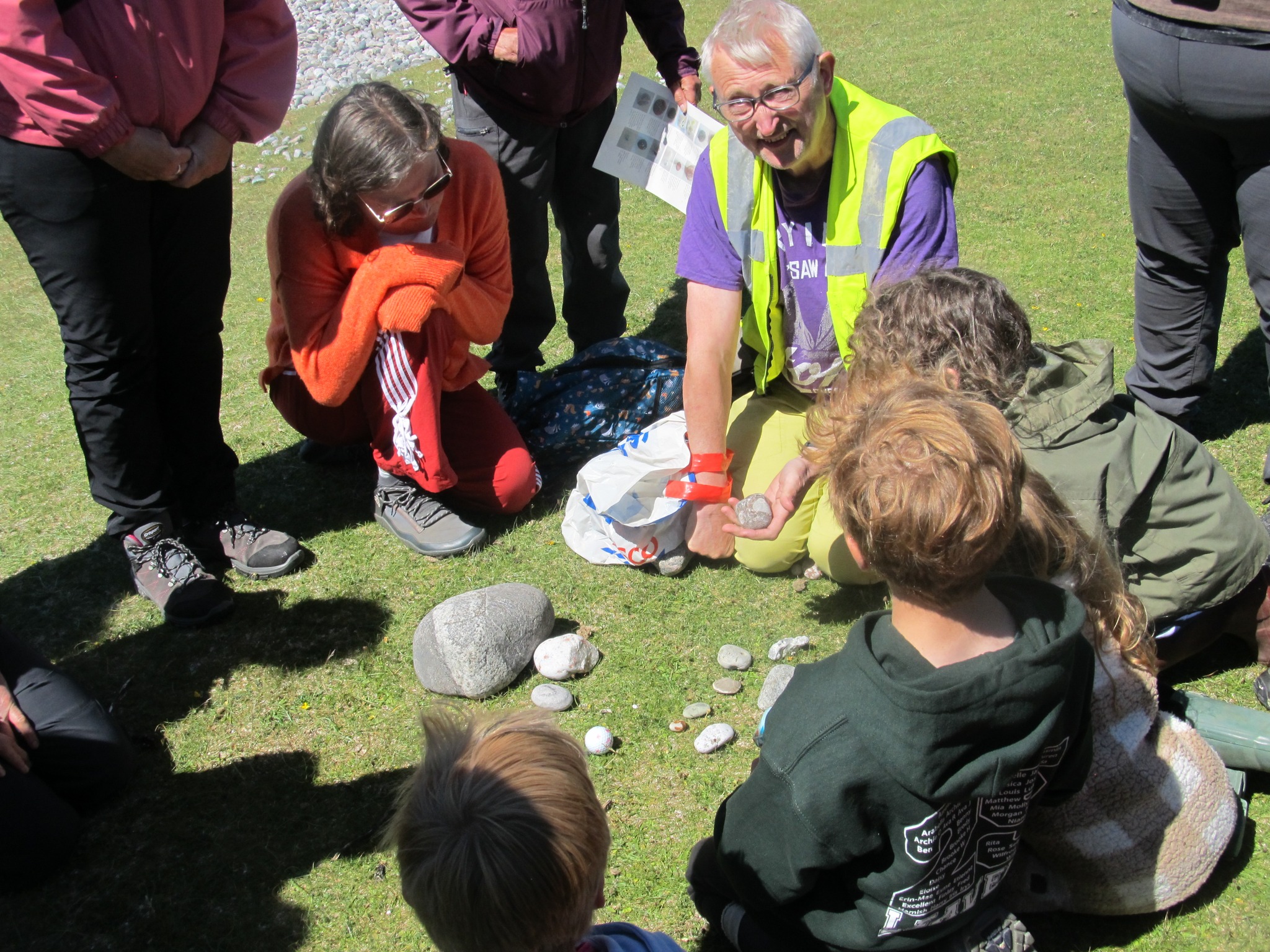
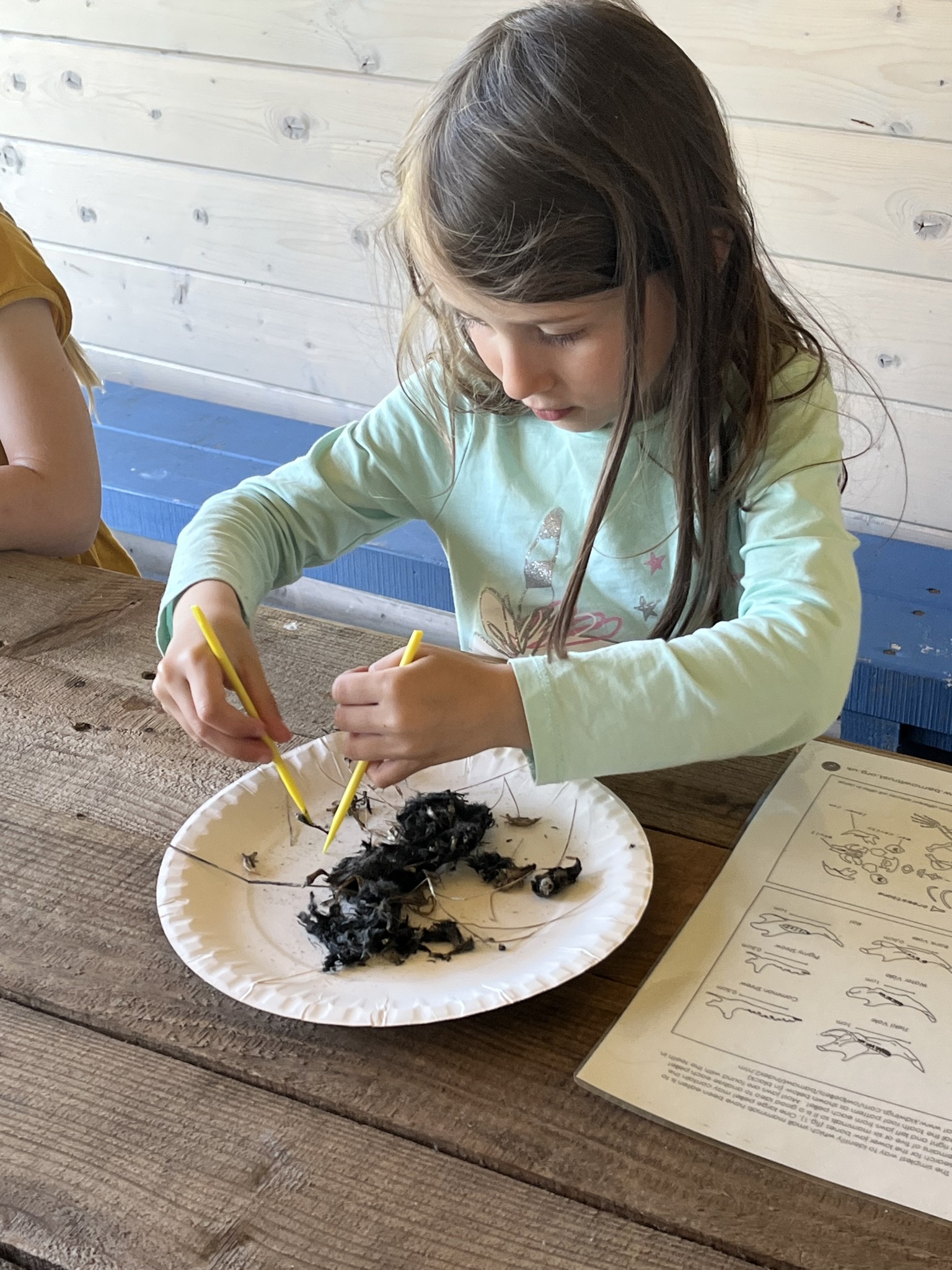


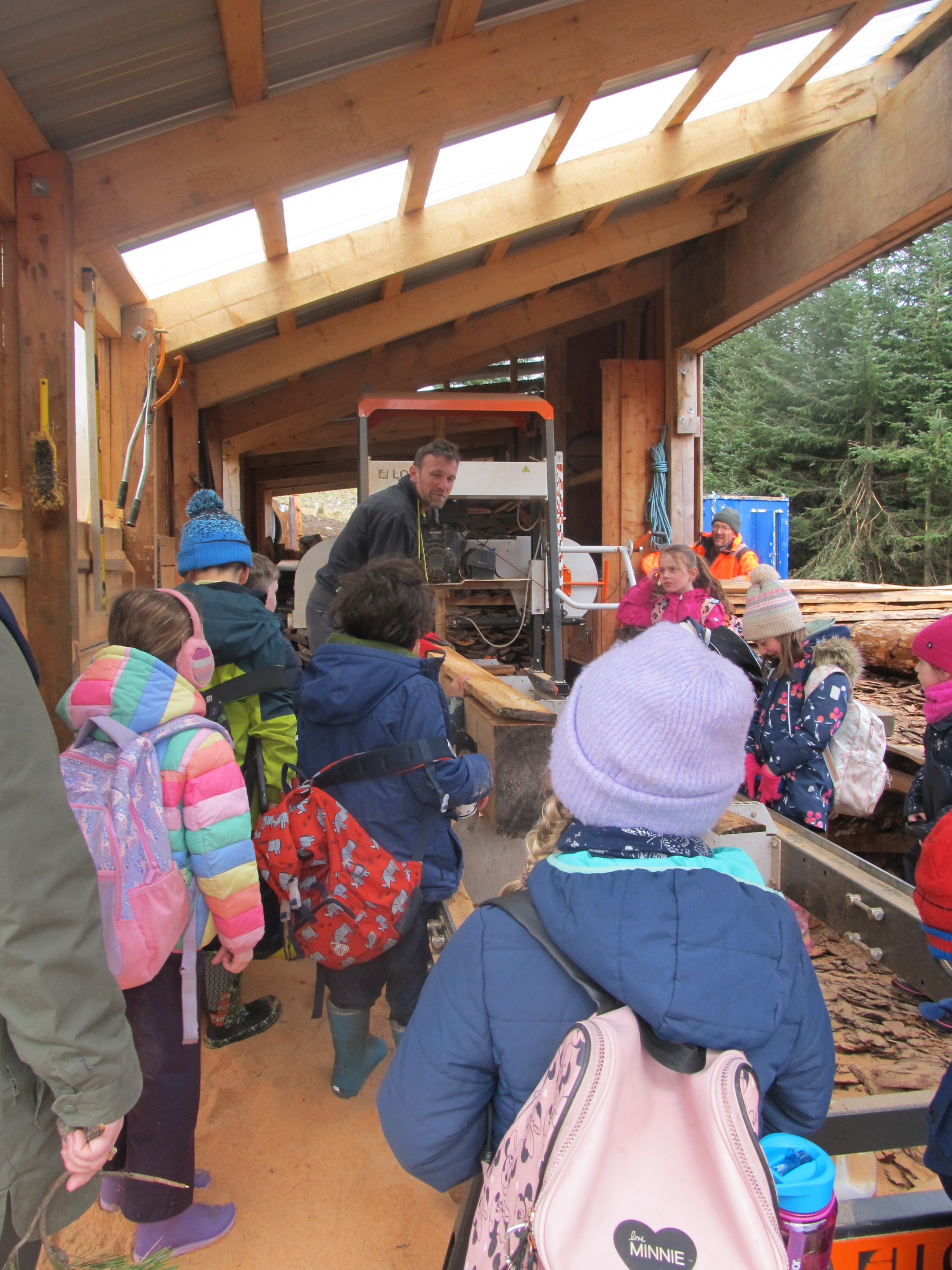
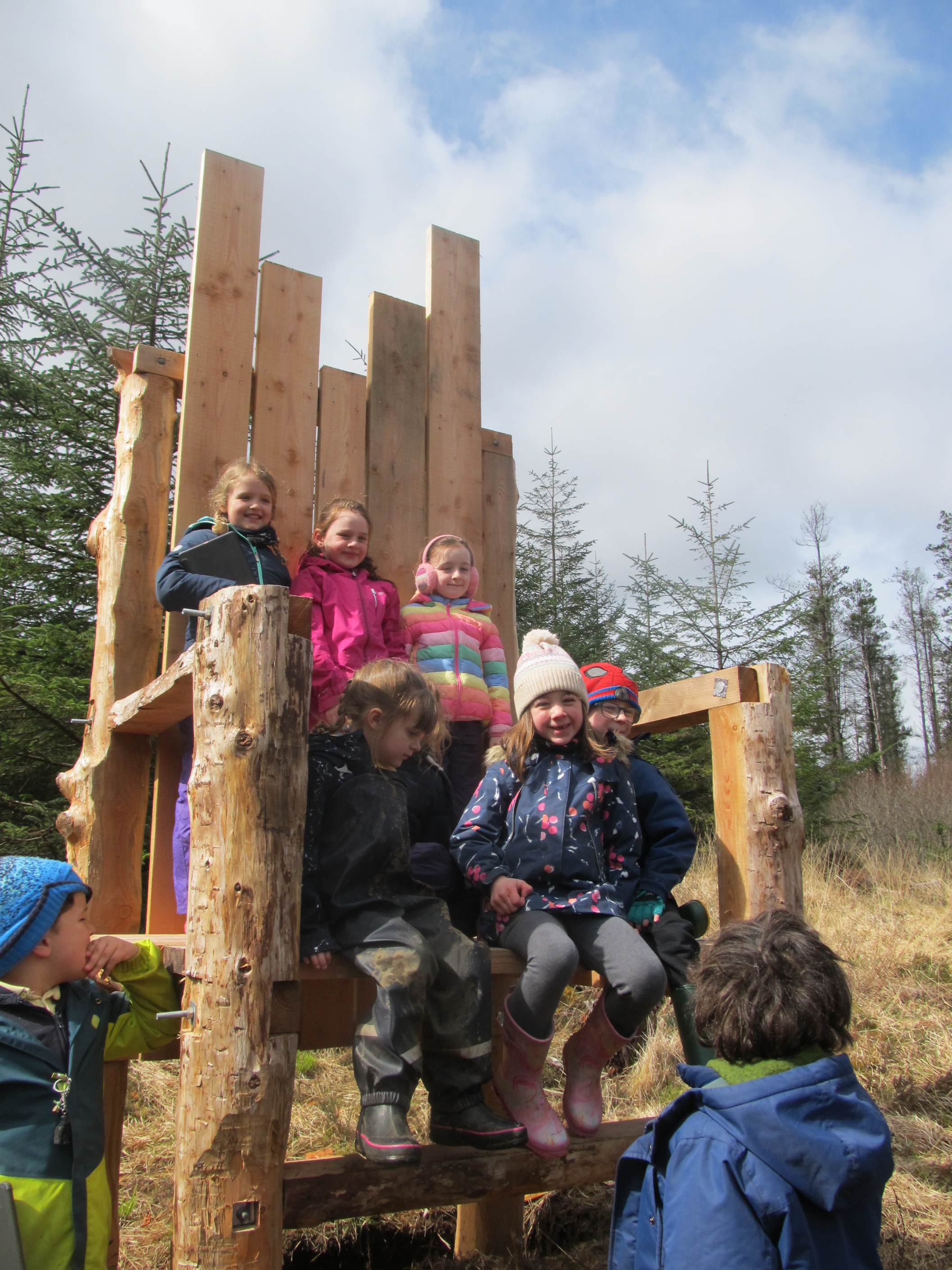
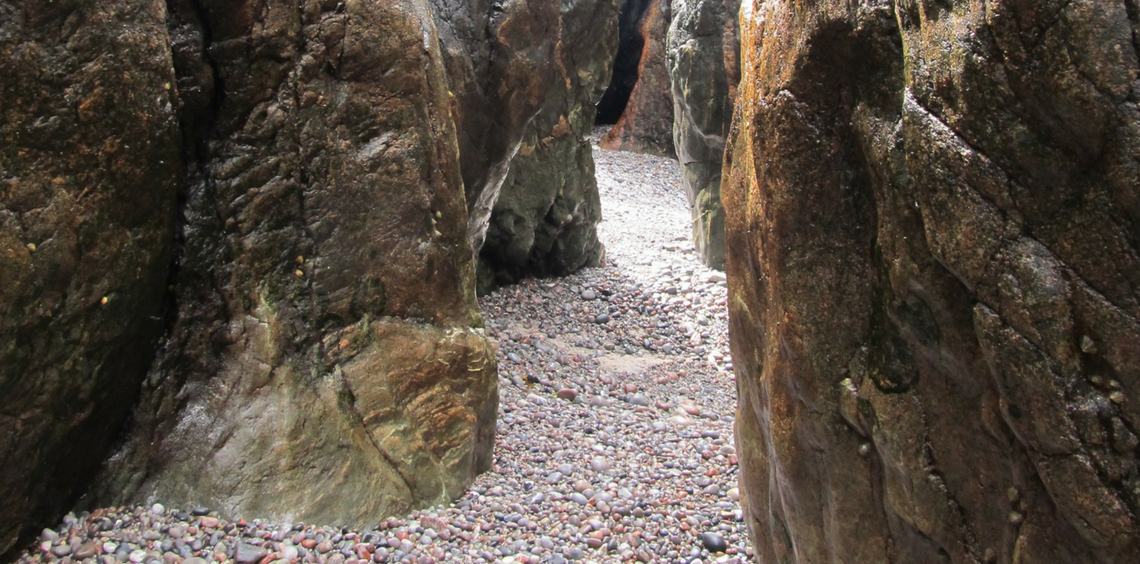
What else have we been up to recently? In the last couple of months we have hosted a royal visit to Ardura Community Forest; worked with our local primary schools on topics ranging from owl pellet dissecting, to adders, slow worms and bees; carried out a seabird census of Iona’s offshore islets; searched for alpine plants and carried out Habitat Impact Assessments high up above Burg’s clifftops; raised awareness about responsible visitor behaviour; run a community garden bioblitz; teamed up with a local geologist for two popular Pebble Picnic events; encouraged volunteers to participate in Buglife’s Riverfly project; hosted Rachel and Reid (the rat-detecting dog) from Biosecurity Scotland – thankfully our seabird islands remain rat-free! Never a dull moment!


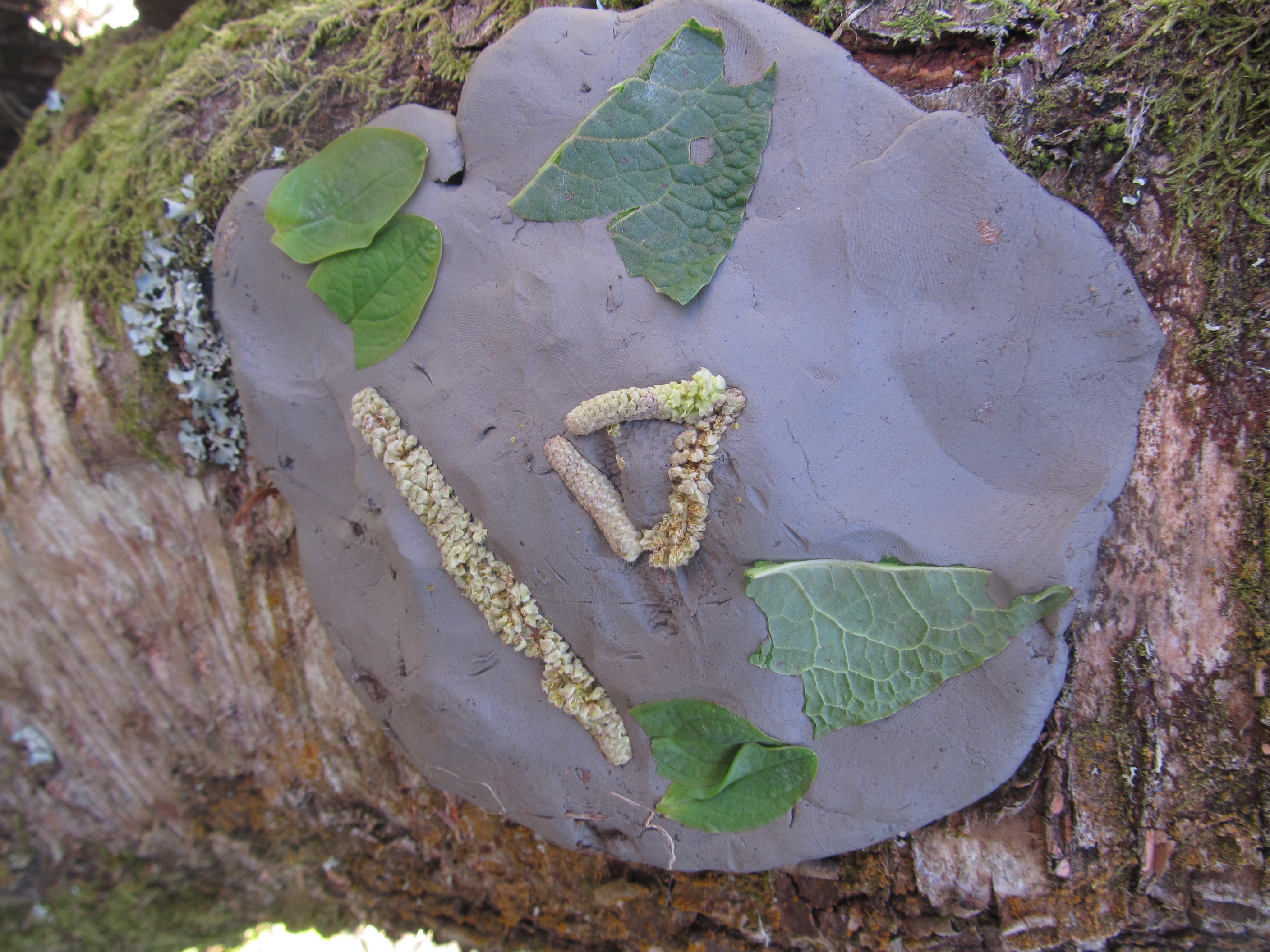


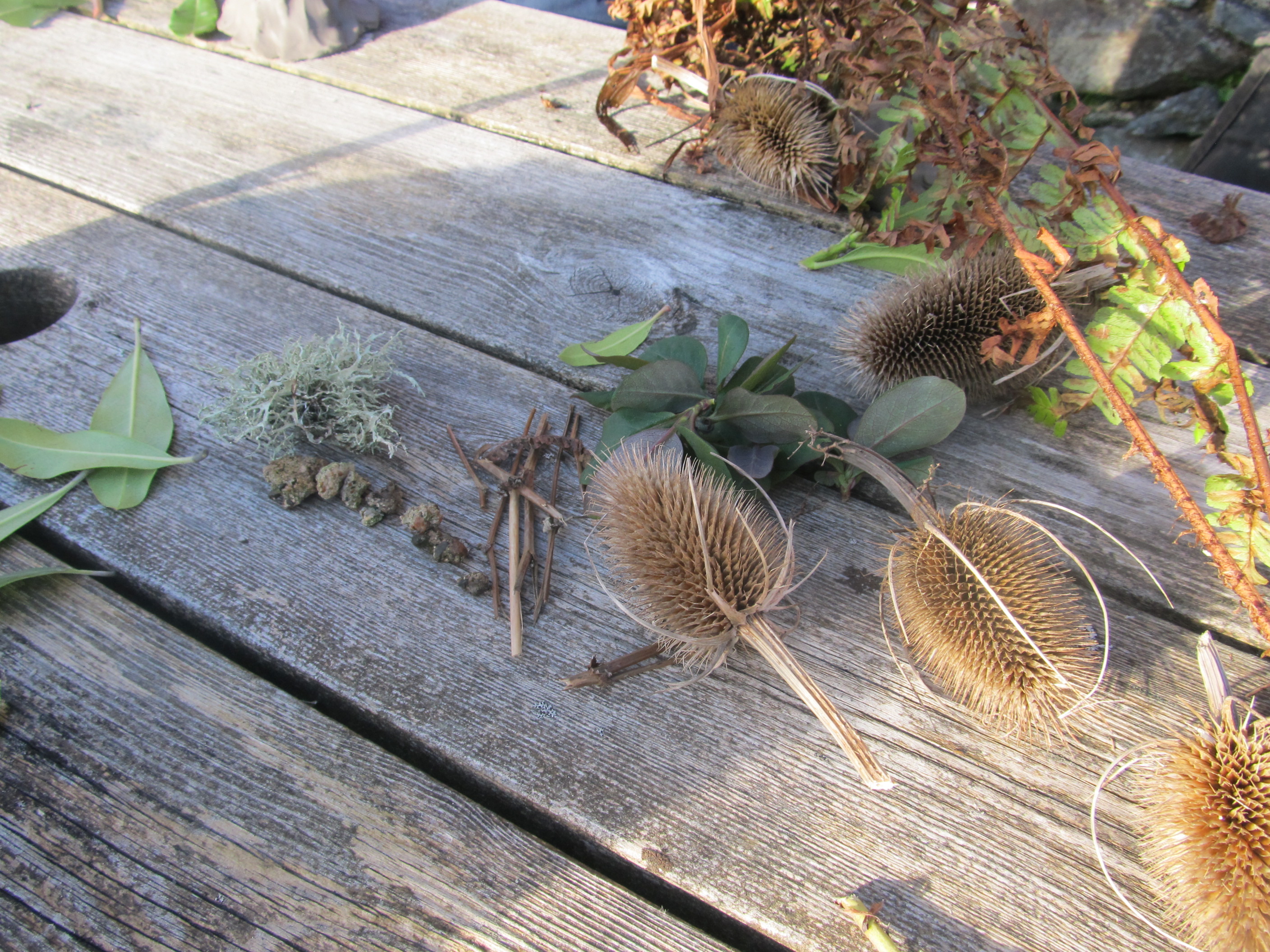











 Mull & Iona Ranger Service