Moth Morning – 22nd July

Night Time Nature

National Moth Week begins on 18th July, a global citizen science project focusing on the fascinating world of moths. This week long event celebrates the insects belonging to the same group as butterflies, but because many emerge at night we often overlook them. Moths are most known to us for their clothes munching larvae, and most people think they’re all brown and boring, and they’re wrong! Only a handful of moth larvae actually eat clothes and these are often the tiny micro moths, not the macro moths that most moth-ers focus on. In the UK we have around 60 species of butterfly and for those of us that live in the North of the country many of these species are out of reach, much preferring the warmer climate down South. Moths on the other hand are in abundance with around 2500 moth species found in the UK, in Scotland we probably have around 500 species of large, macro moths – plenty to keep us interested! You can join in with National Moth Week if you have your own trap but if not look out for events being held around the country, this is a great way to get an introduction to the underestimated world of moths. You can join myself and Emily on Wednesday 22nd July for a morning of moths.

Moth trapping

Moth trapping is a growing nature based hobby in the UK and I started moth trapping this year after first trying whilst volunteering for two weeks on an RSPB reserve. My trap is homemade and was much more affordable than some traps you can buy online, so don’t be put off by the price if you’re thinking of starting out. My trap cost around £60, you just need someone who is handy with a hammer and nails! Because of work commitments I only trap on weekends at the moment, and even then we’re very dependent on weather conditions, but beware, it can become addictive. The trap works by using a light bulb to attract moths which are then caught in the bottom of the trap (harmless and they’re released), and so the following morning you can investigate what you’ve caught. This can be daunting when you first set out because of so many species, but having a good book will help enormously. Plus, there are many facebook groups and twitter users to ask for help and your county recorder will always be happy to assist, just take photos of any you aren’t sure on.

Recent records

I’ve been using my trap whenever weather and time allows, so to get you excited for moth week I thought I’d share some of the moths I’ve caught. At the beginning of July I caught around 35 different species in one night, this was my largest catch so far and took me a while to sort, but it was brilliant all the same. Here are some images I’ve taken whilst I’ve been trapping throughout the season so far:

DSC_0098

Poplar hawkmoth

DSC_0155

Clouded border

DSC_0859

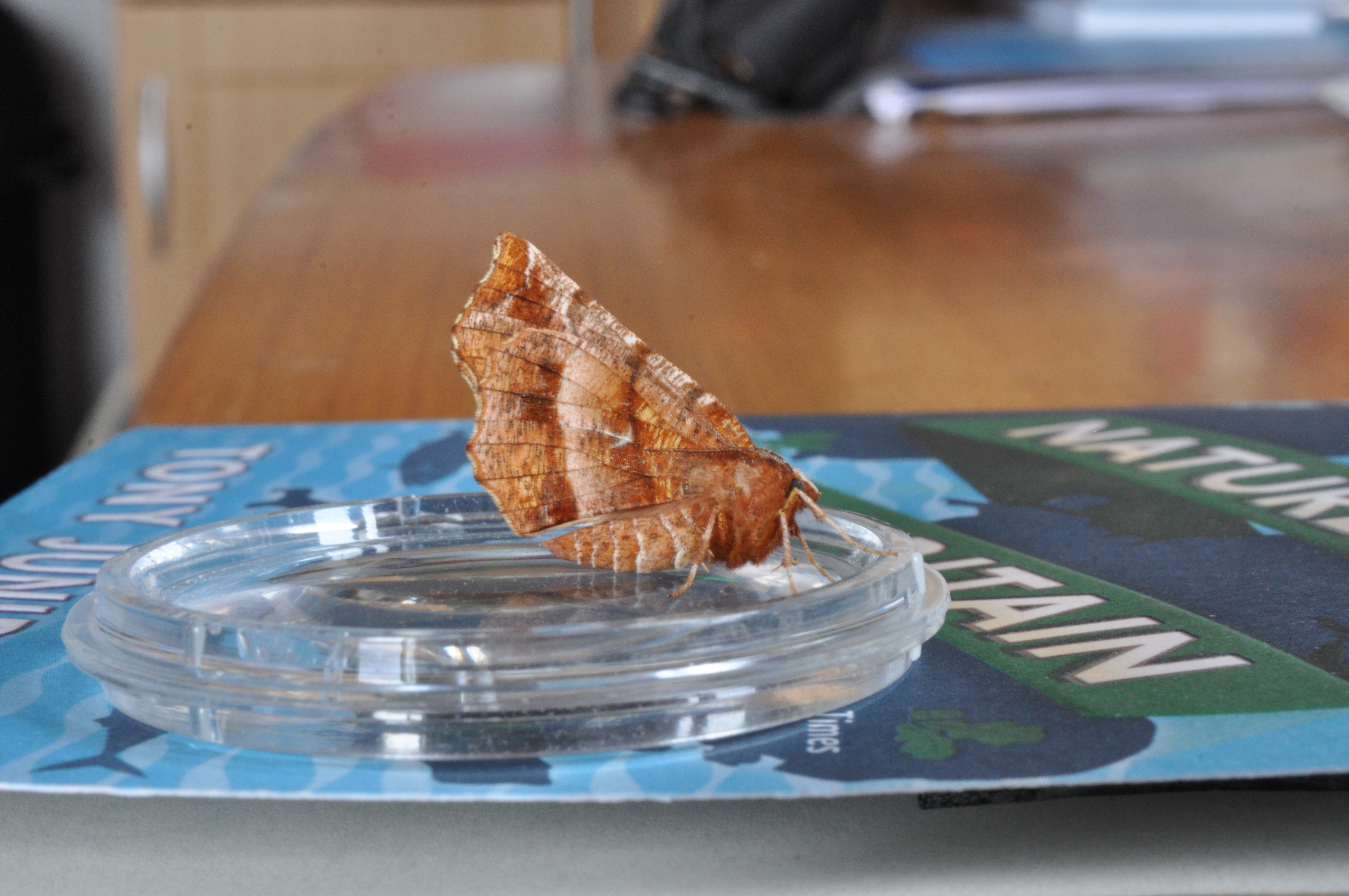
Early thorn

DSC_0139

White ermine


Emily adds…

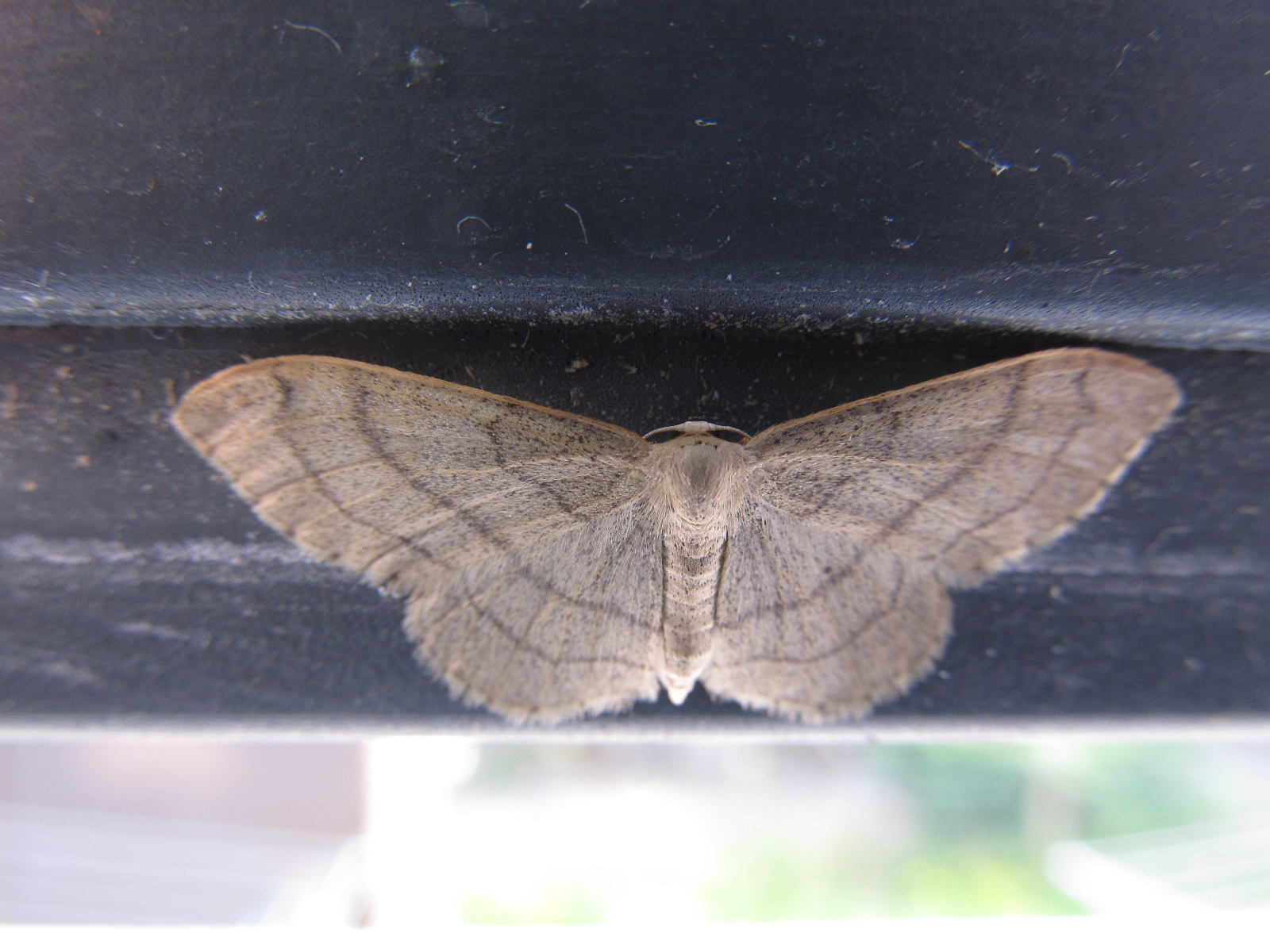
I’ve been trapping in my garden in Bunessan this week too.  It’s amazing the beautiful colours and details out there to be discovered, of which we’re often unaware unless they come to our windows at night, like this Riband Wave did.IMG_1436
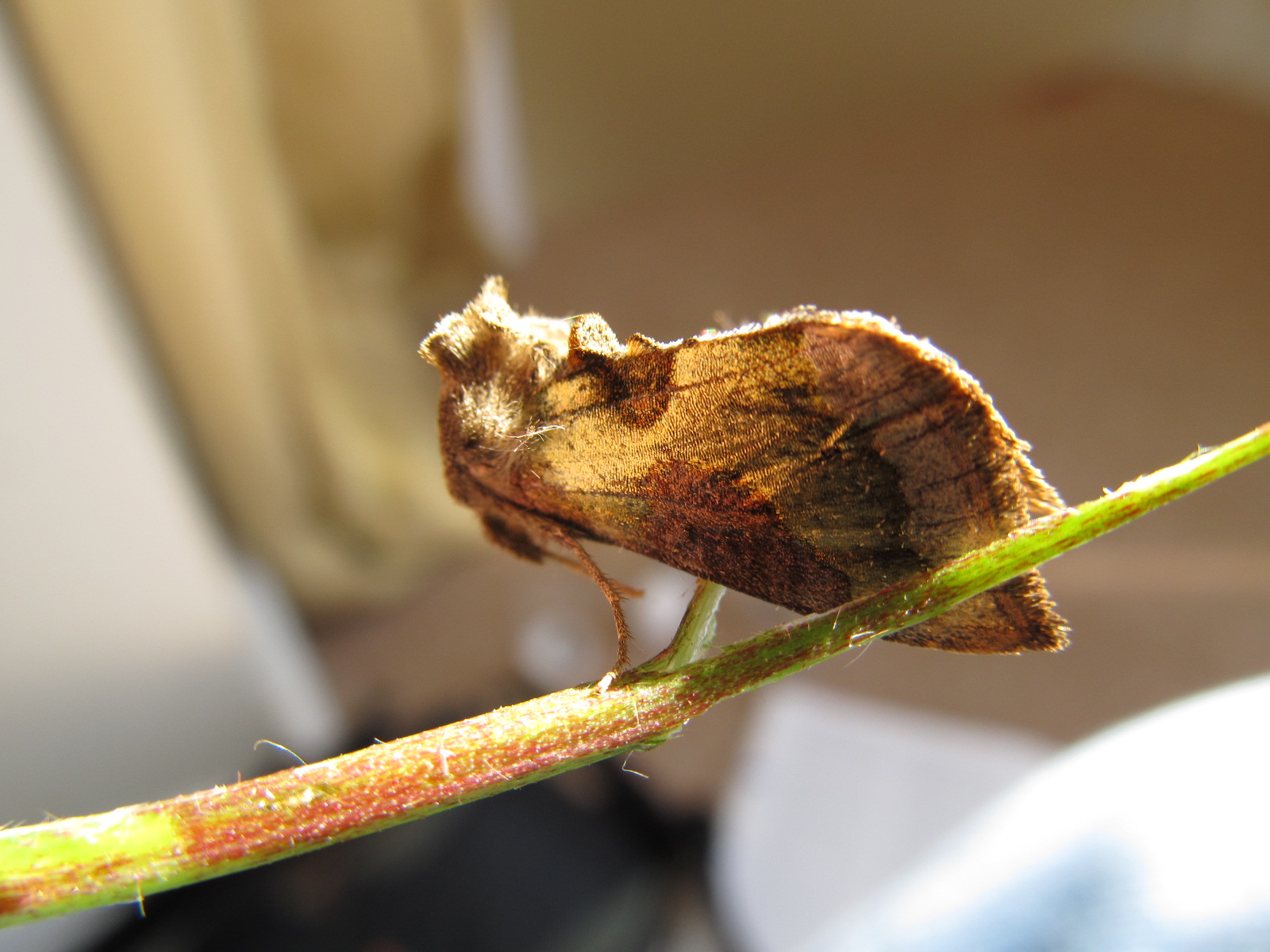
This is the rather lovely Burnished Brass, and my photographic skills don’t do justice to its green iridescence…let’s hope we catch another one to show you on Wednesday!

IMG_1491 IMG_1492

The pictures below show the unmistakable Garden Tiger, which displays its surprisingly bright orange underwings if disturbed.

IMG_1493 IMG_1494 IMG_1495

Bright colours in nature are often a warning, for example ‘Don’t eat me I’m poisonous’!  Day-flying burnet moths can produce their own cyanide from the plants they eat as caterpillars.  Here’s a newly hatched 6-spot burnet I found during a walk at Burg last week, which has just emerged from its pupal case and cocoon, and is letting its new wings dry before flying off.

IMG_1437

As Rachel mentioned there are lots of ways to get help with identification, another useful website is iSpot where you can upload photos and descriptions of any wildlife you find and experts will give you their opinions on what it might be!  Give it a try here: http://www.ispotnature.org/communities/uk-and-ireland
 

Harriers & hawk moths

Blimey, almost another four weeks have disappeared since I last managed to write a post. Of course this is a busy time of year for the Ranger Service and Mull Eagle Watch, with our daily trips at the viewing hide a large part of my working week. We’re still struggling with nice weather though and this is showing with our wildlife.

Harrier hunting – with binoculars 

Since my woodland walk in May I’ve ran a few more events. On a crisp, clear afternoon we set out on a “Skydancer Spotting” guided walk, to try and see some hen harriers. This was at the north of Loch Frisa and we wandered down the forestry commission track stopping to scan regularly. Probably due to the weather during May hen harriers proved to be elusive in this area but we still had a great afternoon with plenty of wildlife. We’re very lucky to have good numbers of hen harriers on the island, we don’t have any problems with illegal raptor persecution here, but elsewhere in the UK they’re on the brink of extinction as a breeding bird, wholly due to illegal killings, such a shame for a wonderful raptor. An adult white-tailed eagle from a nearby territory flew right over head and we all got fantastic views of the broad, 8ft wingspan. We also caught sight of golden eagle pair. Countless buzzards were seen throughout the walk, all enjoying the blue skies and strong breeze. We tend to take buzzards for granted now that they’re our most common raptor, but it wasn’t that long ago they were missing from the majority of the country. We also spotted a pair of my favourite bird, the kestrel. These raptors are in short supply on the island and are undergoing rapid declines across the country, up to 40% of our kestrels have gone. Wildflowers were varied along the edge of the track and included birds foot trefoil, bugle, wild strawberry, bitter vetch and tormentil.

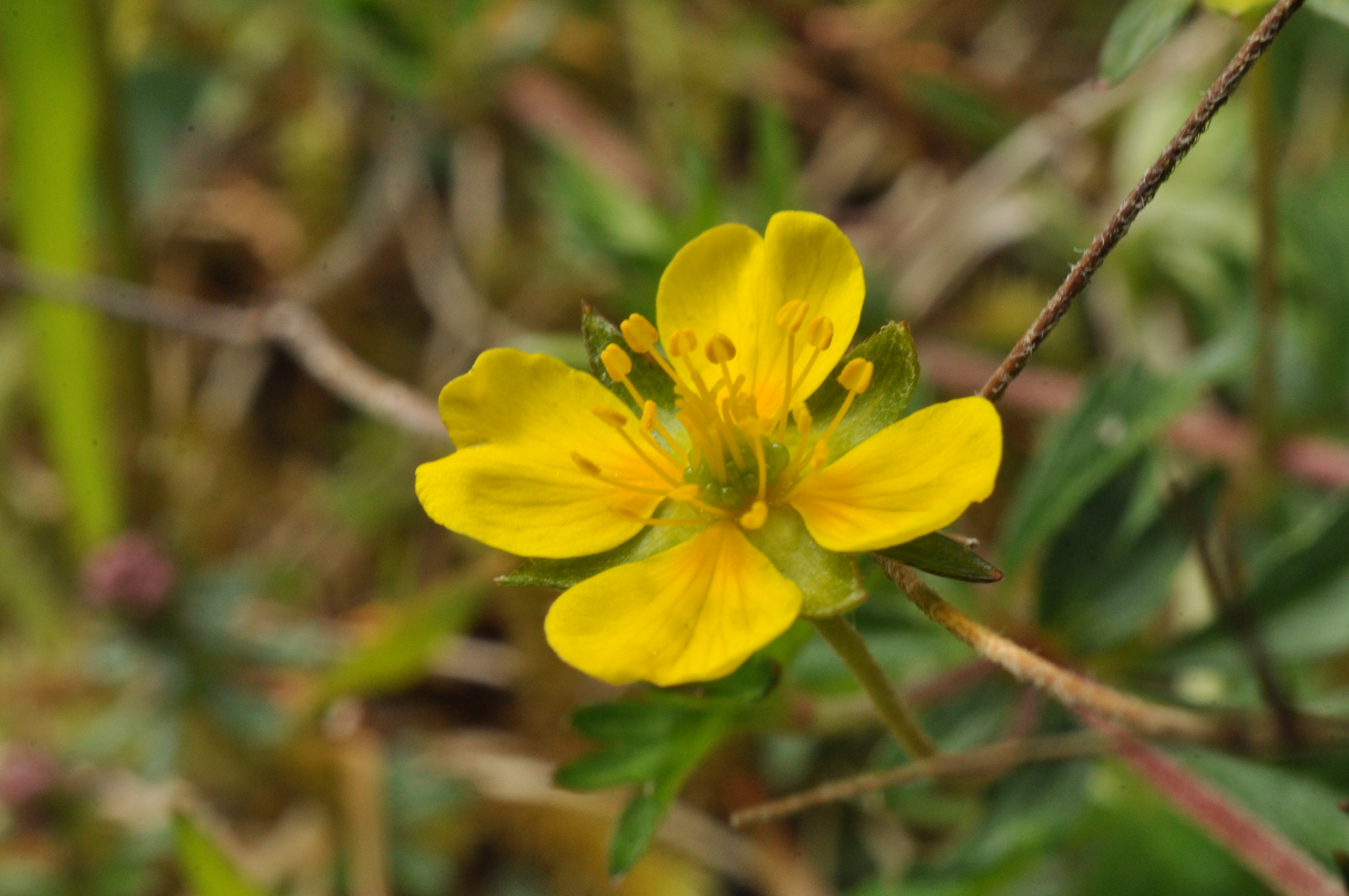
Tormentil

Tormentil

Loch Buie Wander 

Despite the weather on Wednesday 17th we had an enjoyable walk at the head of Loch Buie, covering Laggan Sands and the restored Mausoleum. We enjoyed the view of three fallow deer and one red deer stag with only one velvety antler, sure he won’t be the top boy during the autumn rut. We noticed the first flowering foxgloves, along with flag iris, birds foot trefoil and tormentil. We then had brilliant views of a white-tailed eagle pair, both of which disappeared along the inaccessible coastline.

Flag iris

Flag iris

Drop-in Ranger Service 

In addition to the varied events I run, every other week I also provide a drop-in ranger service in the Fishnish wildlife hide. This hide is community based and open at all times, so do pop in. Sightings here are varied and include white-tailed eagles, heron, oystercatcher, greylag geese, gull species, otter and marine mammals like harbour porpoise. I’m next in the hide on Wednesday 24th June, so call in between 10am and 12pm to say hello.

Coming up 

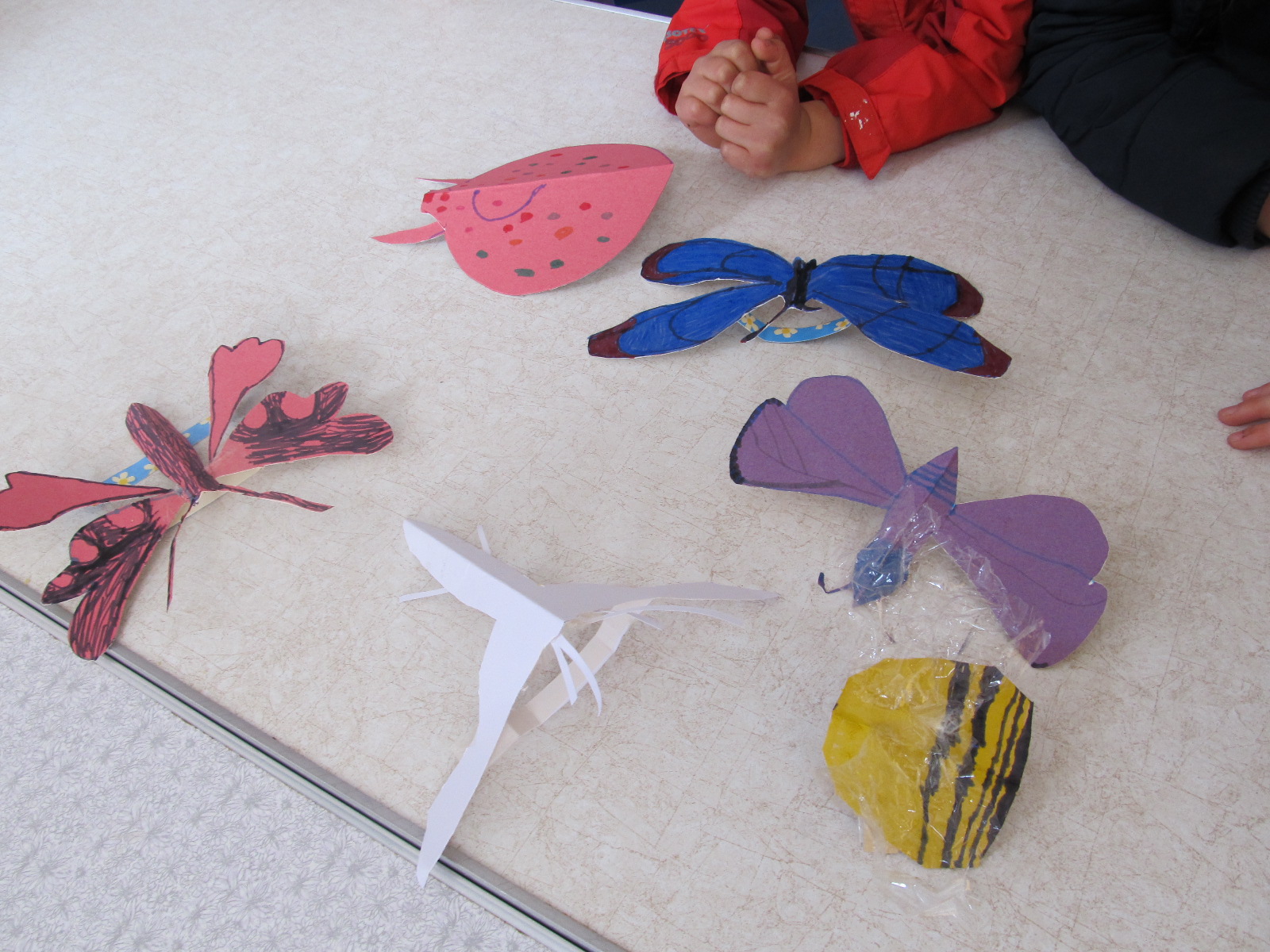
We have so many events to look forward to toward the end of the month and throughout July. On Wednesday 24th along with the Fishnish hide drop in you can join a geology based guided walk at Carsaig, a fantastic area. Our yearly fishing competition is coming up next weekend, so head down to Lettermore for that one. In July we have plenty things to chose from, kicking off with a guided walk at Loch Tor, a brilliant area of mixed habitat. You can join a wildflower and butterfly walk at Treshnish Farm in the morning, followed by coastal sea watching in the afternoon, both on Wednesday 15th. Look out for the moth morning in July too, we’ll have a few hours to appreciate some of the night time wonders we don’t often see. I’ve been trapping in my own time when the weather allows and caught my first ever hawkmoth, an incredible poplar hawkmoth, definitely better than butterflies! We’re also running the nature club in Aros park for children again, where we’ll focus on moths!

Poplar hawkmoth

Poplar hawkmoth

Head over to our events page for more information on all of these.

Thanks for reading again, back soon with more!

Rachel

Sunshine at last!

Hello from the Ross of Mull!  You haven’t heard much news from me lately, as I’ve been out and about away from the office making the most of the good weather which has arrived at last after a cold, wet windy spring (including some unseasonable snow and hail!).  This is my busiest time of year so here’s a glimpse into some recent activities.

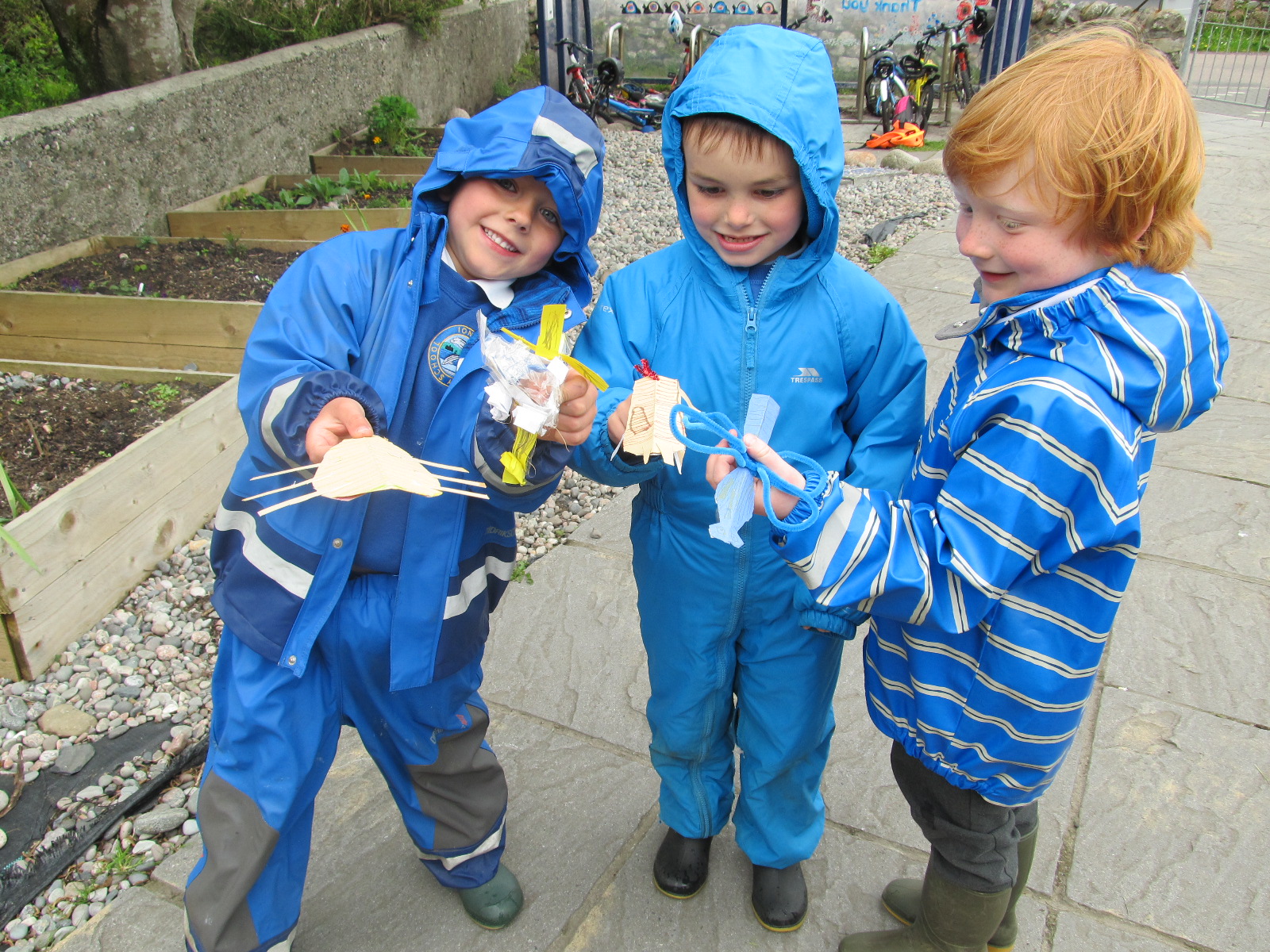
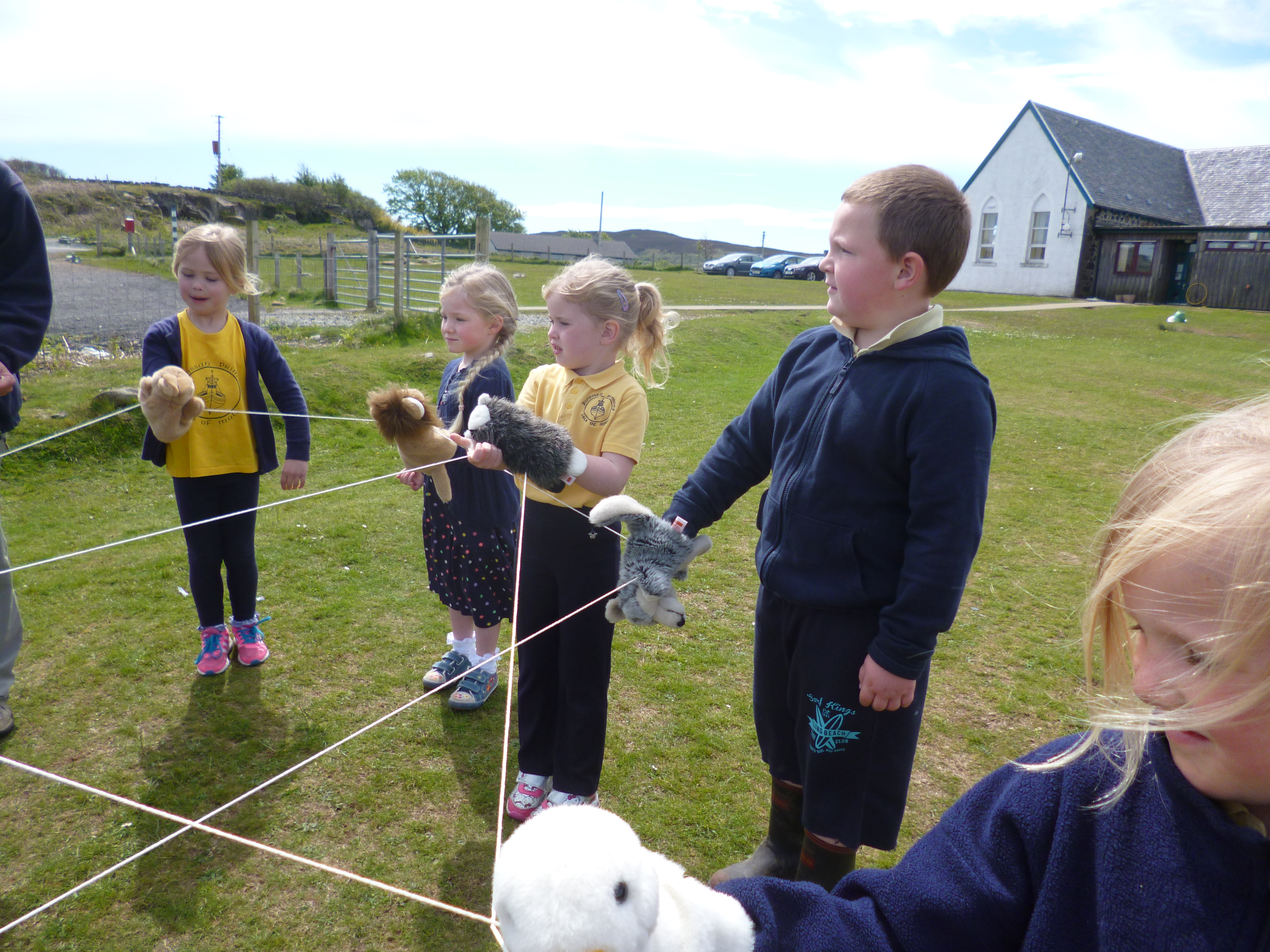
May and early June were busy with nature clubs at both Bunessan and Iona primary schools – finding out about bumblebees and other insects, insectivorous plants, herons and foraging.  Also this morning I took Bunessan early years class on an exploration of their school grounds to investigate how living things depend on other things for survival – with the help of some friendly animal puppets who showed us their favourite places to find food and shelter.

Iona young nats walk June 2015 2butterwort Iona Iona YNs May 2015 2Bunessan YNs May 2015 2 Iona YNs May 2015 3animal puppets

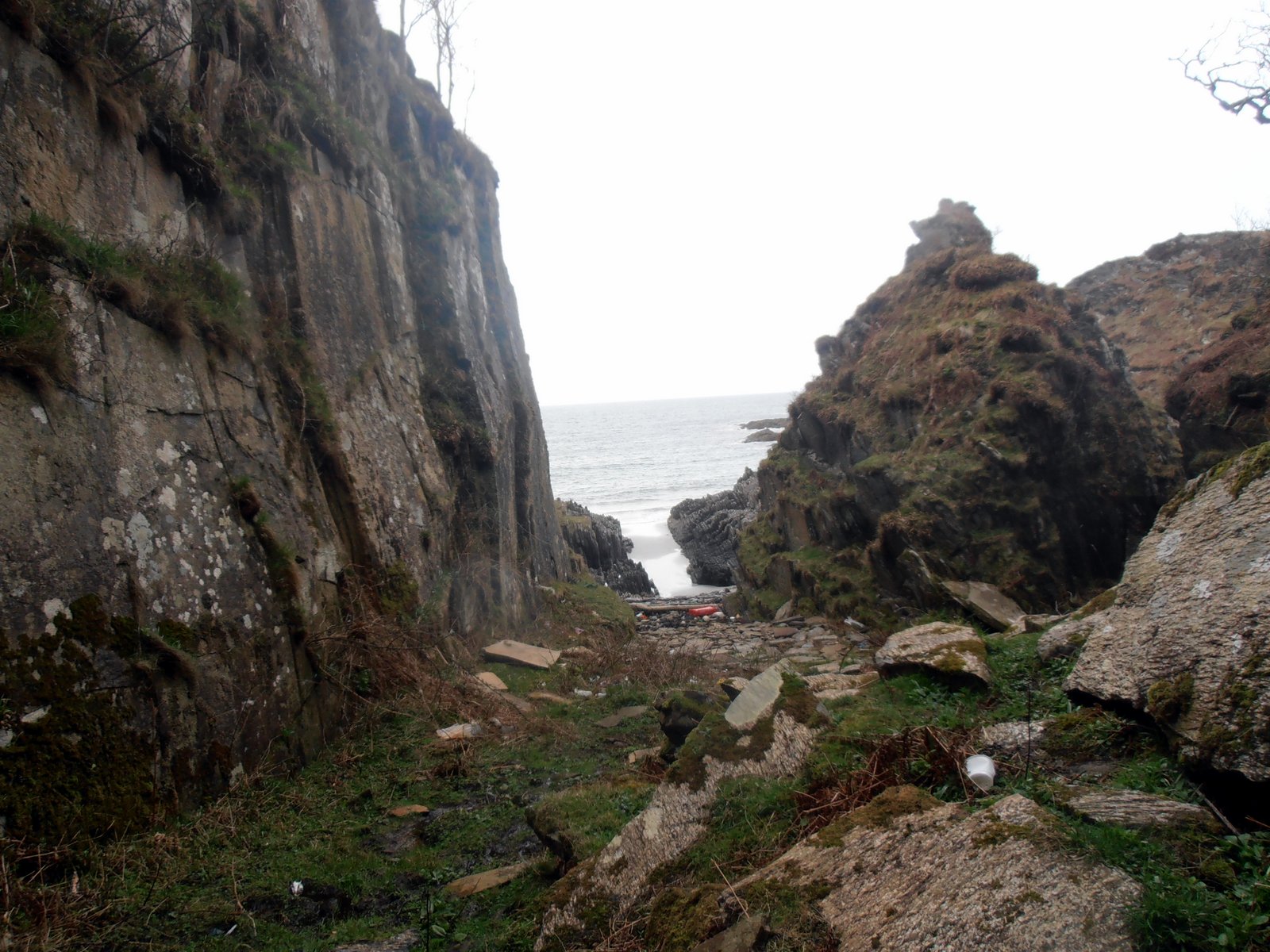
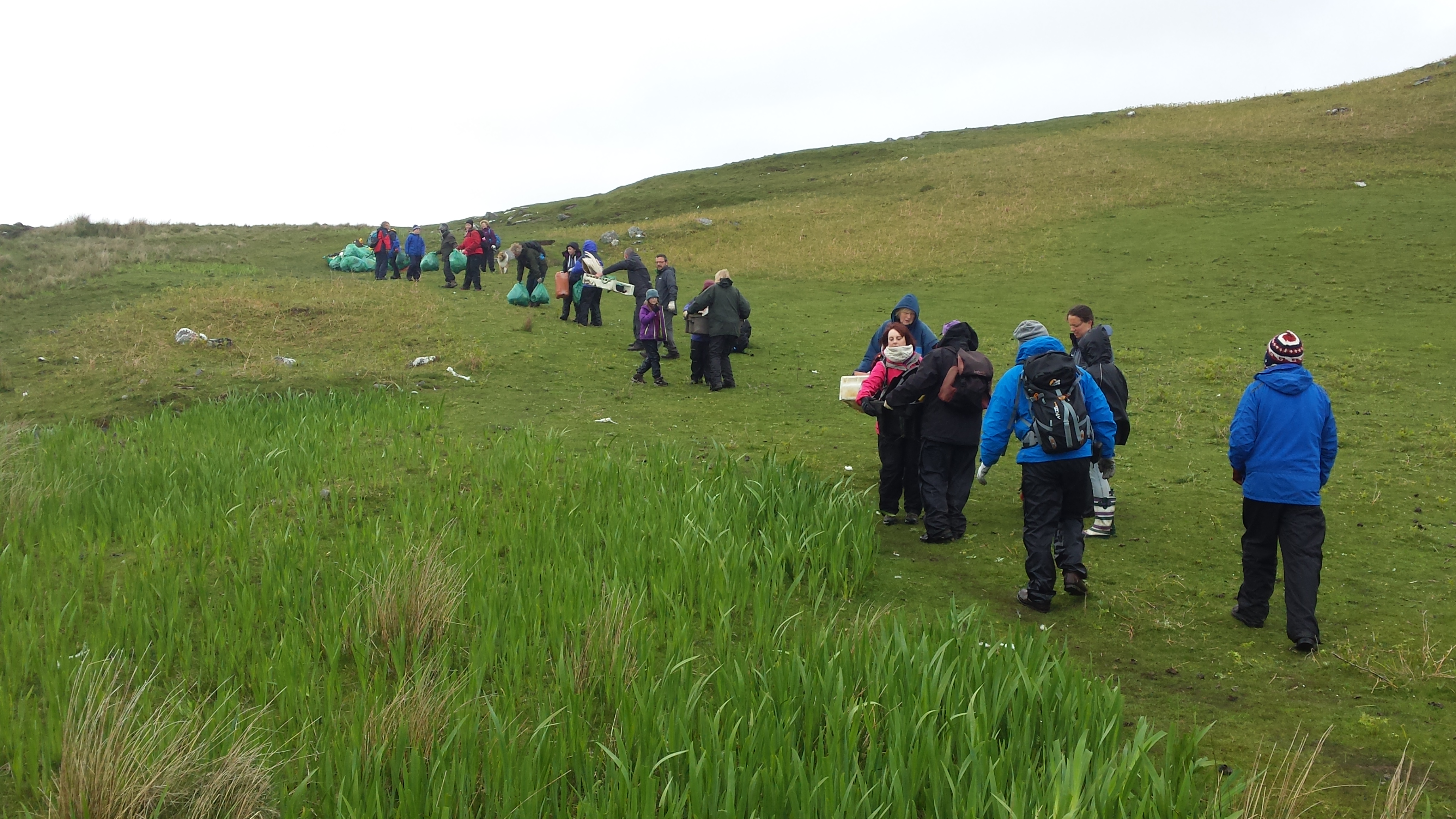
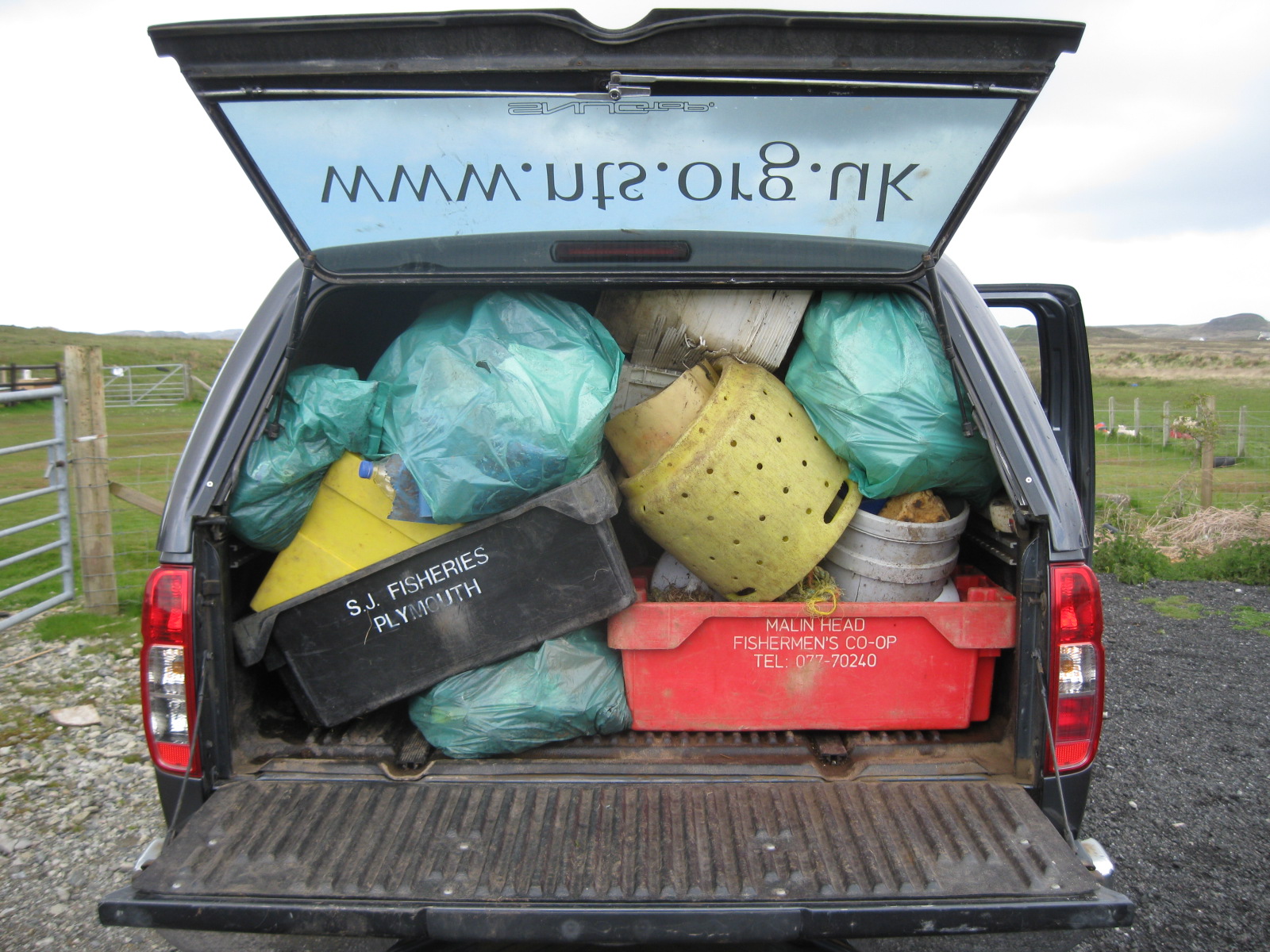
Regular readers won’t be surprised to hear about more of one of our favourite conservation tasks – beachcleaning!  In late May I led a free guided walk to see the mysterious rock carvings at Scoor Cave, along with Catriona Joss from the Ross of Mull Historical Centre, in return for participants helping to clear the beach while there.  A great effort resulted in a human chain bringing up two pick-up loads full of rubbish, luckily I could deposit this in the skip at Bunessan primary school, hired for their own fantastic beachcleaning efforts a few days later, by the end of the weekend it was full to overflowing!  Then more recently the lovely NTS Conservation Volunteers (Glasgow group) arrived for a weekend visit, they cheerily collected rubbish in the rain, and next day in very welcome sunshine, make short work of adding the final coat of paint to our handrail stanchions on Staffa.  Thanks guys!  Thanks also to the hardy Thistle Campers staying on Iona earlier in May who started the job, alongside ditch clearing, cutting back vegetation at Tireragan nature reserve, and you guessed it, yet more beachcleans!  For information on outdoor volunteering with the NTS, have a look here: http://www.nts.org.uk/Volunteering/Outdoor and of course at Mull and Iona Ranger Service we always welcome local as well as visiting volunteers 🙂

OLYMPUS DIGITAL CAMERAOLYMPUS DIGITAL CAMERAScoor cave beachclean human chain4 Scoor cave beachclean rubbish 2015

kilvickeon beachclean with glasgow cvsstaffa painting

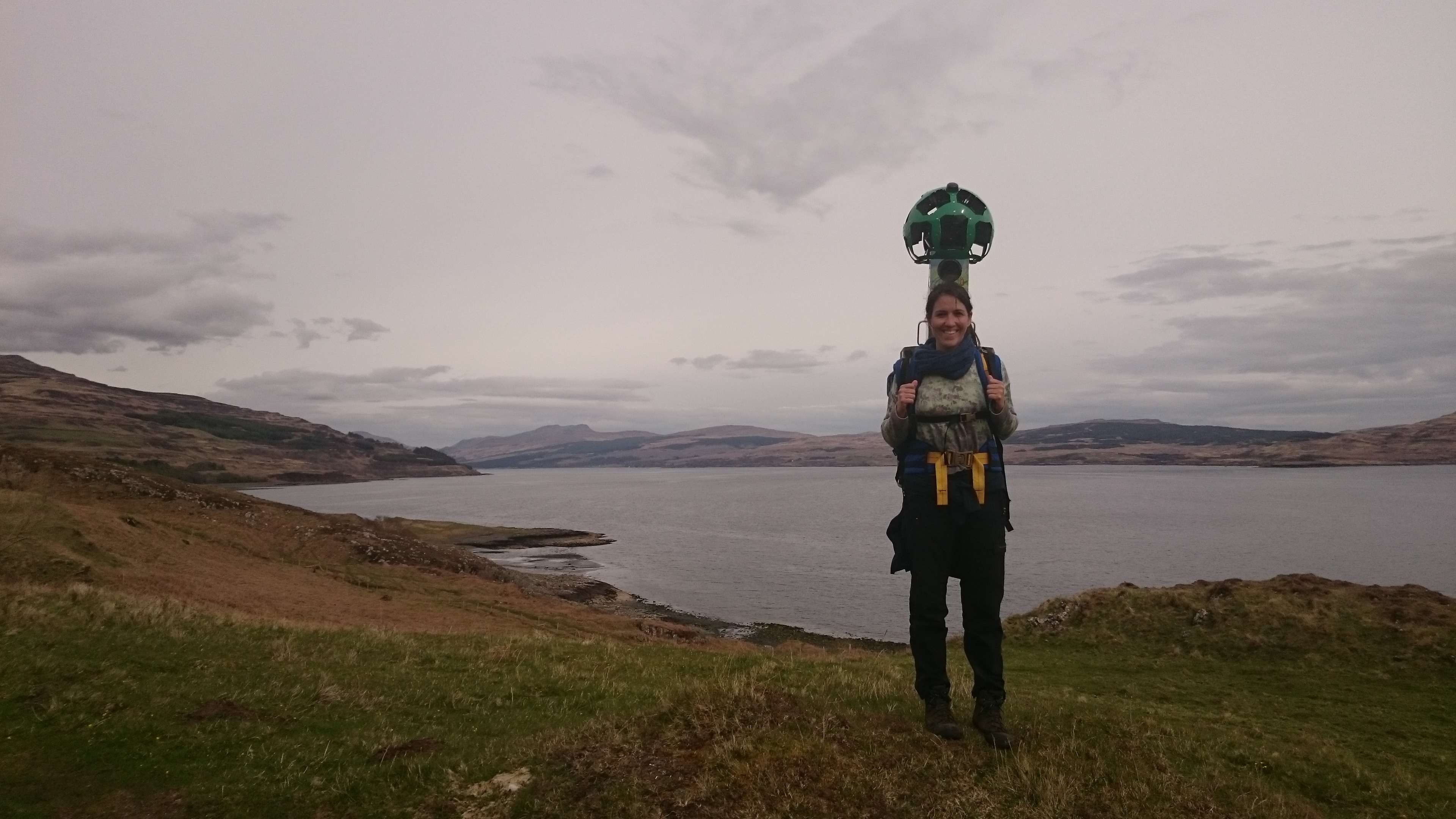
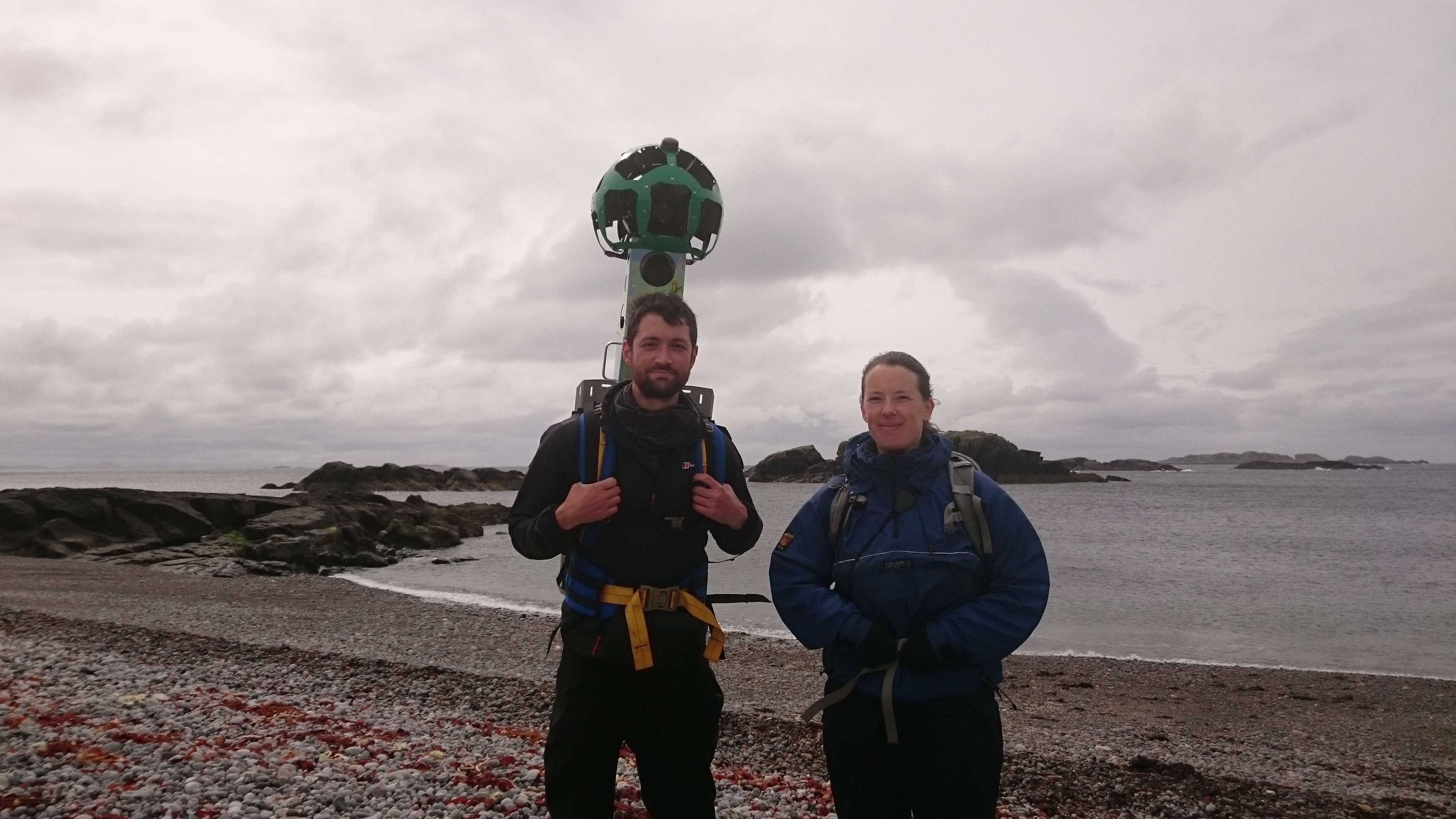
So environmental education, leading guided walks and practical conservation tasks keep us busy at this time of year, but there’s always a few more unusual things happening just to add to the mix!  Rachel mentioned the NTS cruise in her previous post, well I was lucky enough to get invited to work on the ship as an onboard ranger for a week, spotting wildlife, giving commentaries as we passed seabird colonies and leading a tour to Iona, quite strange to take part in the daytrip that brings so many visitors our way!  Wildlife surveys are in full swing, and for me that could mean wandering Iona with a clipboard at midnight mapping corncrake territories (thanks to the night owls who help with that task and let me sleep on their floors afterwards!), or chasing brightly coloured moths around the hillside at Burg!  I also hosted a visit from Simon Goodall (NTS Wildlife Filming Editor), with the Google Trekker, although it looks like an alien hitching a lift it’s actually the same camera from the Google Car, but mounted on a backpack, so by the end of the year you should be able to take a ‘streetview’ style virtual walk to the fossil tree at Burg, around Staffa or on a circular route around Iona!

google trekker sara google trekker simon emily

To prove that summer has arrived at last, I’ll leave you with these sunny photos of Iona, taken on my way back from monitoring a seabird colony down at Pigeon Cave yesterday afternoon.  Hope this inspires you to get outdoors and explore your own patch!  You could try the ‘30 days wild‘ challenge as featured on BBC Springwatch, or have a look at our events page on this blog for some walks and activities you could come along to.

Emily

IMG_2146IMG_2147IMG_2149

Woodland Wonders

Wild woods

Woodlands are places that catch your imagination. Woodlands are the home of fairytales and folklore, they inspire. Free play in a woodland encourages children to explore and develop. Trees enrich our senses – whatever the season. But springtime is surely one of the most enchanting times to visit a wood; your senses will be overwrought with sounds, smells and sights. Luckily for me I lead guided walks and can share the experience with others.

Bluebell magic

Bluebell magic

Aros Park

Last Friday the National Trust for Scotland cruise ship, the Saga Pearl 2 made a last minute change of plan and arrived in Tobermory rather than Oban. I ran two short walks in Aros Park for some of the passengers. We started out on the coastal path from Ledaig car park and strolled along the track looking for woodland wildlife. This is a great walk and offers a very different perspective on Tobermory Bay and Aros Park itself, as we so often drive in to the main car park. The park is owned by Forestry Commission Scotland and is a great asset right by Tobermory.

Flower power

Wildflowers are only just starting to come to life, everything seems to be clinging to winter, emerging later than normal this season – probably due to the colder temperatures, it feels more like January than May! Along the coastal pathway in Aros we relished the smell of wild garlic, also known as ramsons, an edible woodland treat. Bluebells were looking brilliant too, here in the UK we have 50% of the worlds bluebell population. We also spotted yellow archangel – a species of dead nettle, opposite leafed golden saxifrage and water avens. Another plant we see a lot of in Aros is called Tutsan which is thought to mean “all-healthy”, linking in with healing properties. We also spotted some dor beetles on the move; we looked at these guys through a hand lens and were amazed by the small details and metallic colours.

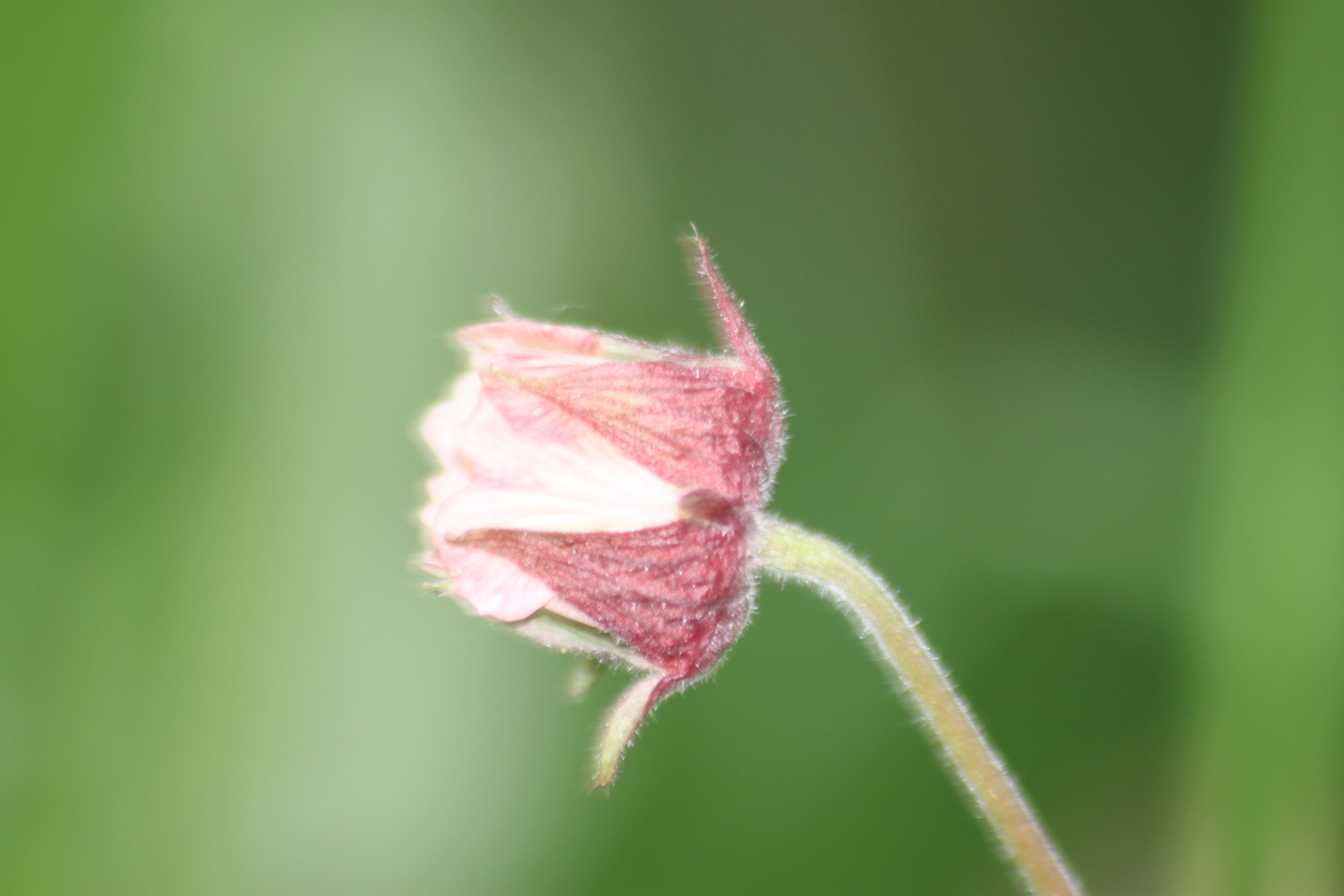
Water avens (Geum rivale)

Water avens (Geum rivale)

Dor beetle (Geotrupes stercorarius)

Dor beetle (Geotrupes stercorarius)

Ancient woodland walk 

This week I ran another woodland guided walk which was open to the public. We began the walk at the Loch Buie/Croggan turn off from the main road, south of Craignure and enjoyed some of the protected woodland nearby. Ardura and Auchnacraig are both listed as a SSSI (site of special scientific interest) primarily for the large area of ancient oak woodlands, geological interests and a small section of salt marsh. The largest area of ancient atlantic oak woods in the Hebrides remains here, most of the woodland across the islands is lone gone.

Osprey encounter 

There is a footpath through some of the woodland which emerges onto the shoreline of Loch Spelve. We were lucky enough to catch a great view of an osprey, a species which doesn’t breed here on Mull. This individual bird has been hanging around for a few weeks now though and will maybe return to breed in the future. Due to the leg ring we know this male bird was ringed in 2012 at Loch Lomond. We also saw plenty of greylag and canada geese, oystercatchers and common sandpipers.

Invasive non-natives 

Within the woodland itself we spotted some worrying non-native invasive species, very concerning when walking in such an important site. Japanese knotweed and rhododendron were both present. The third was skunk cabbage, an American bog plant that is readily available in garden centres in the UK. Also known as the swamp lantern this species is spreading from gardens to interfere with our native wildlife.

Native wildflowers 

Plenty of lovely native wildflowers and plants to be seen too though. The main tree species in this area are silver birch and oak, with holly, rowan and hazel making up the threadbare understory. We were pleased to see some successful saplings but overgrazing in some sections of woodland was apparent. Wildflowers included:

Opposite-leaved golden-saxifrage

Primrose

Lesser celandine

Tormentil

Marsh marigold

Yellow pimpernel

Wood anemone

Wood sorrel

Greater stitchwort

Selfheal

Bluebell

Heath milkwort

Lousewort

Cuckoo flower

Wood anemone (Anemone nemorosa)

Wood anemone (Anemone nemorosa)

I’m sure I’ve forgotten some and this doesn’t even consider all the lichen and moss species, out woodlands are teeming with life. Well worth an hours exploration, take the time to get lost in a wood and encounter some new wildlife.

Thanks for reading as usual! Check our events page for upcoming dates to join us soon. Rachel 🙂

Where did April go?

We’ve recovered from the busy Mull Music Festival weekend and now we’re busy again for the bank holiday weekend. There’s plenty for us to be preparing for as we’re nearly into May, a great month to visit the isle and join one of the many events we run and hopefully we’ll have some lovely weather to enjoy too.

Countryside Code

We’d just like to remind everyone about the countryside code, this helps everyone enjoy our wild areas and ensures livestock and wildlife are safe. Please keep all your canine companions under close control. Dogs should be on short leads in areas with sheep during the lambing period. In areas with cattle please use your discretion, but often owners are safer when dogs are off the lead if cattle are looking unhappy. Many of our protected bird species are nesting right now and many of them are ground nesting, including species like lapwing, curlew, redshank, hen harrier and short-eared owl so please be aware of this, your actions could determine the success of a nest. If you have any issues regarding this please contact us on 01680 300640.

Mull Eagle Watch & Fishnish Wildlife Hide

Unfortunately due to tree felling and timber extraction we have had to temporarily close Mull Eagle Watch. Due to disease the Larch trees have to be removed as soon as possible. The forest operations mean we lose access to the hide and our parking area. It would also give us considerable concerns over health and safety and it would deter from our usually peaceful experience. We are hoping to open again by Monday 11th May. We’ll keep you all up to date with progress, along with Iona and Fingal news – we’re expecting our first egg to hatch around the 6th May.

In the meantime I’ll be running drop in ranger sessions at the Fishnish Community Wildlife Hide. I’ll be there every morning from Monday 4th May – Friday 8th May between 10am and 1pm. If you were disappointed to miss out on Mull Eagle Watch come along. We’ll look for a variety of wildlife including a nearby pair of white-tailed eagles, otters, seabirds and marine mammals like harbour porpoise and seals. I can help you spot wildlife, answer questions you may have and point you in a good direction for other sights! This is free but we’d appreciate donations to the Mull and Iona Ranger Service.

Oystercatcher - lots of seabirds to see from the Fishnish Wildlife Hide

Oystercatcher – lots of seabirds to see from the Fishnish Wildlife Hide

Bioblitz Detectives – Nature Club Numero 2

We’re nearly ready for the second nature club of the season! Last time we enjoyed an hour learning all about bats. This time we’ll be up close and personal with some small mammals like voles and mice. We don’t notice them often but they’re found in big numbers anywhere with grass and they’re so important for lots of other wildlife. We’ll check out harmless mammal traps to see if we caught any critters, play some games and look for mammal signs.

Come along to Aros Park, we start at 5pm (please be early) and finish at 6pm. Meet me in the main car park.

Children aged 5-12 are welcome (£3 per child) and parents are encouraged to stay for free, especially with the wee ones.

Call me on 07540792650 for more information, but booking isn’t necessary.

Mammal Bio Blitz - Nature Detectives

Mammal Bio Blitz – Nature Detectives

Ulva – Guided Walk

Join the ranger service on Wednesday 6th May for a guided walk on the Isle of Ulva. Enjoy a tranquil wander around part of the island, giving you a taste for future visits. We’ll learn about the island’s history and look at island life now whilst looking out for wildlife too. Please wear sturdy footwear and weather appropriate clothing. Bring binoculars if you have them. We’ll stop for lunch at the Boathouse.

Meet at Ulva Ferry for 10am. Ferry fare and lunch per menu are required plus £5 per head to the Mull and Iona Ranger Service. Booking is essential (20 places), call 01680 300640 or 07765898600.

Staffa Stuff – Puffins

If you’d like to be slightly more adventurous and head out to sea, why not take a trip to Staffa to meet our Ranger out there, also on Wednesday 6th May. Make you own way to Staffa via one of the boat operators (boat trip fare required) and meet the ranger who will be on hand to answer your questions and guide you to the best place to see puffins up close.

Puffin - head out to Staffa or Lunga to see these comical birds

Puffin – head out to Staffa or Lunga to see these comical birds

Bio blitzing & Beach cleaning

Easter has sped on by and the island enjoyed a rush of visitors for the break. The weather played ball on Easter Sunday and Monday thankfully although the beginning of the weekend was a little doubtful! The last few days have given us all a taster of summer and we’d love it to hang around. Wildlife has been booming. Basking sharks arrived and were seen in nearby Hebridean waters over the weekend; often they aren’t around till July in any numbers! Hopefully this is an indication of a great year for our wildlife. My family spent the weekend here too and we had a great few moments along the shores of Loch na Keal with lovely views of a golden eagle above the skyline. This was followed by an otter fishing nearby, despite my water loving dog splashing around!

Nature Detectives

Aros Park played host to our first Nature Detectives club in the evening yesterday. This is aimed at children aged 5-12 and will give them a fun and hands on way to love nature. So many children these days have a real disconnection to the outdoors and nature, often thanks to TV, computers, smart phones and tablet devices. Alongside the technology we’ve developed a fear of natural play thanks to health and safety and worry of stranger danger. As a child I was extremely lucky and on weekends rampaged about getting muddy, climbing trees and catching frogs. I have no doubt that my childhood created my love of nature and shaped who I am now.

I’ll be running five more Nature Detective clubs for children over the season. Last night we focused on bats and learnt all about them, how to listen in on their world of echolocation and what we can do to help them out. Over the next five sessions we’ll meet some small mammals face to face, dip into the crazy world of pond life, the night time life of moths and the creepy crawly creatures in the undergrowth. This fun and active approach will be great for the kids and maybe spark a lifetime love and respect to our natural world. The next club is Tuesday 5th May; this one is all about mammals. We’ll start at 5pm for one hour, so please be prompt!

Mammal Bio Blitz - Nature Detectives

Mammal Bio Blitz – Nature Detectives

Beach clean

Looking for something to do this Sunday afternoon? Head to Calgary beach to lend a hand in tiding it up! Help get this busy beach ready for the summer, as well as beach clean the paintbrushes will be out for tables and we’ll generally spruce the place up. Litter in our oceans is an ever growing issue unfortunately, with plastic waste being top of the list. Plastic does not degrade, ever. It ends up as tiny little micro beads or nurdles, which looks exactly like plankton or fish eggs – food for many animals which then works its way up the food chain. So all that plastic we use once and throw away ends up in the ocean and will remain there forever. Unless it washes up on our shores, we can then collect it up, but even then it’s likely that once again it’ll end up in our waters. If you can, every time you head outdoors please bring a few pieces of litter home with you, even if it isn’t yours! We can all help a little. It doesn’t cost anything, it takes very little time and it’ll make you feel good! Here is a brutal photograph just to demonstrate the issue; it isn’t nice to look at but a great way to make us wake up on plastic.

Albatross deaths due to plastic waste

Albatross deaths due to plastic waste

The Calgary Beach clean and work party is on Sunday 12th April, 2-4pm. It’s a free event but donations to the ranger service are appreciated as is any home baking for tea and coffee afterwards.

Calgary Beach

Calgary Beach

Mull Eagle Watch

Don’t forget you can now book your trips to Mull Eagle Watch. We are open from next Monday, 13th April and will be running two trips per day. Please call 01680 812556 for more information or to book in. You can also head over to the Mull Eagle Watch blog page to catch up.


Thanks for reading, Rachel 🙂

Bugs, birds, & red nose day

Geo-caching

On Tuesday last week I went down to the Forestry Commission Scotland walk at Scallastle (just outside of Craignure) to check the footpath and signs and to place two new geocaches. I’d never been to this site before and the walk was lovely. Despite being quite steep and rough in places its well worth it for fantastic views over the Sound of Mull. The surrounding mountains are stunning too and this is a good place to see golden eagles. The woodland is mixed, with a lot of native species including birch and hazel, I caught sight of long-tailed tits working among the huge variety of lichens. I laid out two new geocaches along the trail, this is an ever growing interest and hobby around the world and a great way to encourage people to walk outdoors. Scallastle is also home to a fairly new addition to Mull, the pine marten. This carnivorous mammal is a controversial species on the island, but is hopefully here to stay and will add to our wonderful wildlife. I managed to find some pine marten poo (scat) on the trail – they often leave signs in obvious places.

Pine marten scat found in Scallastle woodland

Pine marten scat found in Scallastle woodland

Mountain Wildlife

On Wednesday last week I got to meet some of Bunessan Primary School, I didn’t manage to visit them last season unfortunately. I joined Emily, our ranger for the Ross of Mull, Burg, Iona and Staffa to run a session on our mountains. We thought about how we can prepare ourselves for a mountain hike, and what to pack in our rucksack. We learnt that this can make all the difference when things like weather, accidents and midges can cause dangerous problems. This led us onto the adaptations wildlife needs to survive and why each animal or plant lives in a particular zone on the mountain.

This is where the eagles came in; both our golden eagle and white-tailed eagle have some fascinating adaptations which could mean the difference between life and death in the harsh Scottish mountains. The kids enjoyed seeing our stuffed golden eagle up close to look at the talons, feathered legs, powerful beak and large eyes. We then focused on how all the mountain wildlife links together and what would happen if one animal or plant were to disappear. Overall we had a great day!

Bug hotel renovations & brand new bird box builds…

I also visited Lochdon Primary who are working hard to develop their very own conservation area. We wanted to create some bird boxes to encourage garden birds like blue tits, great tits, robins and pied wagtails to set up home. We all got stuck in with the hammers and built four bird boxes, two with open fronts and two with smaller holes. These will be installed outside and help increase the wildlife onsite.
We also got our hands muddy outside despite the weather. We started some renovation work on their bug hotel, which was looking a bit forlorn and unloved. Old pallets are great for bug homes, so we added a few extra pallets to the pile. We then found lots of materials to fill in all the gaps, creating homes for bees, beetles, slugs, woodlice, spiders and more. A great way to collect up unwanted garden items lying around too, if you don’t want it, the bugs will! The children will keep adding to bug hotel and I’m sure they’ll investigate the insects living there when the weather improves.

Red nose day fun

Finally on Friday last week I ended for the weekend on a great note. Tobermory primary school children (P5/6/7) were doing a sponsored walk along the coastal route to Aros Park so I met them there to run an activity. Thankfully the weather was great, so the kids seemed to have a lovely time. I hid loads of items out in the trees for the children to find in pairs, but the catch was one of them must be blindfolded! This was harder than you’d think, but they did well, I only had to help with the last few. Once we had everything, the kids realised we could make a person. We created a fisherman, complete with his own red nose. I left them to enjoy another game, but managed to leave my sunglasses hidden in a tree, they’re still there someone now.

Thanks for reading! Rachel 🙂

Looking over to Loch Tor under stunning blue skies

Looking over to Loch Tor under stunning blue skies (mobile phone photo)

Rain, rain go away!

I’m waiting with baited breath for my first butterfly or slow-worm of the season, but I think we’ve forgotten what sunshine looks like. Whilst we swim about in mud and rain, with gale force winds, the rest of the country seems to be relishing the coming of spring with red admirals, small tortoiseshells, bees, adders and slow-worms emerging. It feels more like autumn than the start of spring and temperatures are still on the chilly side. The only inkling I’ve enjoyed so far of wildlife waking from winter slumber is in the pond. One evening the sound of mating frogs emanated from the depths and with a brief respite from rain yesterday I went to investigate.

Amphibians

Frog spawn surrounded the pond edge, lying dejectedly on the grassy banks. Frogs in their excitement can go a little overboard but this only means a tasty meal for others like otter and heron. Eyes peered back at me from the water but with any movement they would disappear. On the opposite side of the pond toads were at home, moving around below the surface. Frog and toad spawn differs; toad spawn is less familiar, long thin strings rather than clumps; I couldn’t see any in the pond yet. I did see a newt though! These small newts are really difficult to spot unless they move and spend most of their time looking like vegetation. Palmate newts are the UK’s smallest amphibian. The name comes from the black webbing of the males hind feet in the mating season, making them look like over large palms.

Common Toad

Common Toad

Stargazing – Pennyghael Hall

Come along to enjoy an evening of stargazing with the ranger service at Pennyghael Hall. It’s a great time of year for looking up at the night sky with lots of planets in view. You should be able to see Jupiter and its moons. Venus, the “evening star” will rise just after sunset but disappear at 9.30pm and Mars will be showing too, not from Venus.

Pennyghael Hall; 7-9pm
Cost: £6 adult/£3 child
Learn how to find your way around the night sky with Seamas Westland and Emily Wilkins.
18th, 19th, or 20th March – weather dependent, clearest night will be chosen so please register your interest and we’ll let you know

Call 01681 700659 or 07717581405

PennyghaelWreck Ewan Miles

Pennyghael Wreck – night sky (thanks to Ewan Miles)

Easter Events

Bat Bonanza -Come along to Aros Park for an evening bat walk. Bat detectors on hand so we can ID the species & hear them in action. We’ll have fun facts, activities for children and ending at the old pier for a lovely view of Tobermory.

Wednesday 1st April, Aros Park
6.30pm – 8.30pm
Meeting at FCS notice board in main car park
£5 adults, £3 children
Call 01680 300640 or 0754079265

NEW – Bioblitz Nature Detectives

New Nature Club for 2015 – every four weeks, 6 sessions across the season – Aros Park
Tuesday 7th April – Bioblitz Nature Detectives: Bat Bioblitz
First session of six, open to children aged 5-12
Come along to the first session to Bioblitz Aros Park and the bats that live their!
We’ll have 1 hour to record as many bats and different kinds of bats as possible.
Learn lots of cool facts, hear bats echo location and have a later night than usual!

6.30-7.30pm (please be prompt)
£3 per child (parents encouraged to stay for free, especially with the wee ones)
Aros Park, FCS notice board in main car park
Appropriate footwear and warm clothing. Notebook or camera if you like
01680300640 or 07540792650

Seeing Stars

Wednesday evening this week I ran my final event of the season at Ulva Primary School. We were extremely lucky as it turned out to be a fantastic clear evening with an almost full moon for “Seeing Stars”.

I started off quite early, well before dark to run some activities for the children. We learnt some interesting facts; did you know that one million Earth’s could fit inside the sun because it is that big? Or that Saturn has 62 moons? Then we enjoyed some hot chocolate and played with some clever apps, a great way of getting kids interested in all things wild. You can download things like Sky Walk or Star Walk and Moon Phase for free – these help us to find constellations, planets, individual stars and satellites in the sky.

By around 9pm adults were welcome to join and we had a great turn out of both locals and visitors to the island. We watched as the moon rose from behind the rugged hills of Mull and it was looking absolutely stunning at 86% full. The telescope provided an amazing detailed view of the moon’s surface, even allowing us to pick out craters.

Stars began to emerge, with the key constellations easy to find – the bright moonlight drowning out some of the less obvious stars. We found some familiar constellations to begin with, like the plough. This well known shape in the sky actually makes up part of Ursa Major, the Large Bear. Above is Ursa Minor, you guessed it, the Small Bear. The end star of the smaller bear is Polaris – the celestial North Pole. Draco the dragon wraps around Small Bear, the head curving around to point toward Vega and Lyra. Others we looked at include Aquila, the eagle, Cygnus the Swan with the Northern Cross showing very well, Hercules and Cassiopeia the vain Queen. Plenty of satellites passed through too, and last night I caught the International Space Station passing overhead! 

As with wildlife and the natural world, space and stars give us an unlimited amount of learning opportunities. With 88 defined constellations plus many of the smaller lines or individual stars we can always find something new. Autumn and winter are the best time to get out there and enjoy our dark skies, something we are lucky to have.

Thankyou so much to Ulva Primary School for allowing us to run Seeing Stars there and for the hot drinks and biscuits!

Girl Guides & Wednesday Event

Last night I went along to the girl guides to run a session on white-tailed eagles and wildlife watching. Hopefully I’ve sparked an interest among some of the girls to work towards a few badges and to develop a new hobby!

We covered the timeline of white-tailed eagles and some of the other species we lost like Beavers and Lynx and talked about the reintroduction of the eagles and the beaver.  Some of them were keen on the idea of a wolf reintroduction too!

Working with the girl guides

Working with the girl guides

We had a look at some online apps you can use now to help with wildlife watching – less boring than the guide books and you have the added benefit of sounds and calls at the touch of a button. These apps are available for everyone on a smartphone or a tablet and most are free. Great to help ID something out in the field. The iRecord butterflies app and mammal tracker apps are really good too, allowing you to submit a sighting record and help out with conservation too.

The girls had a try with a telescope and binoculars, something that could be important if they take the interest further. Binoculars are a wildlife watchers best friend and come in a range of prices and qualities too – my first ever pair were probably not even £10!

Getting our younger generations involved and interested in the natural world is so important and even more apt when we live on a spectacular island like Mull. We’re spoilt with stunning scenery and amazing species.

EVENT! Wednesday 10th September

Seeing Stars
Seeing Stars

Seeing Stars – 7.30pm – 9pm school group                                                                             9pm-10.30pm everyone else!
Meeting at Ulva Ferry School, come along to enjoy a night of stargazing, learning about constellations, aurora alerts and more.
No need to book but call or text me on 07540792650 for more info!