Winter update

Fans of Changing Landscapes will be glad to know the results of last September’s project are now online!  We gathered together another great team of tutors and Oban High School pupils for a couple of days on Iona, and their creative efforts in music and poetry can now be viewed here.

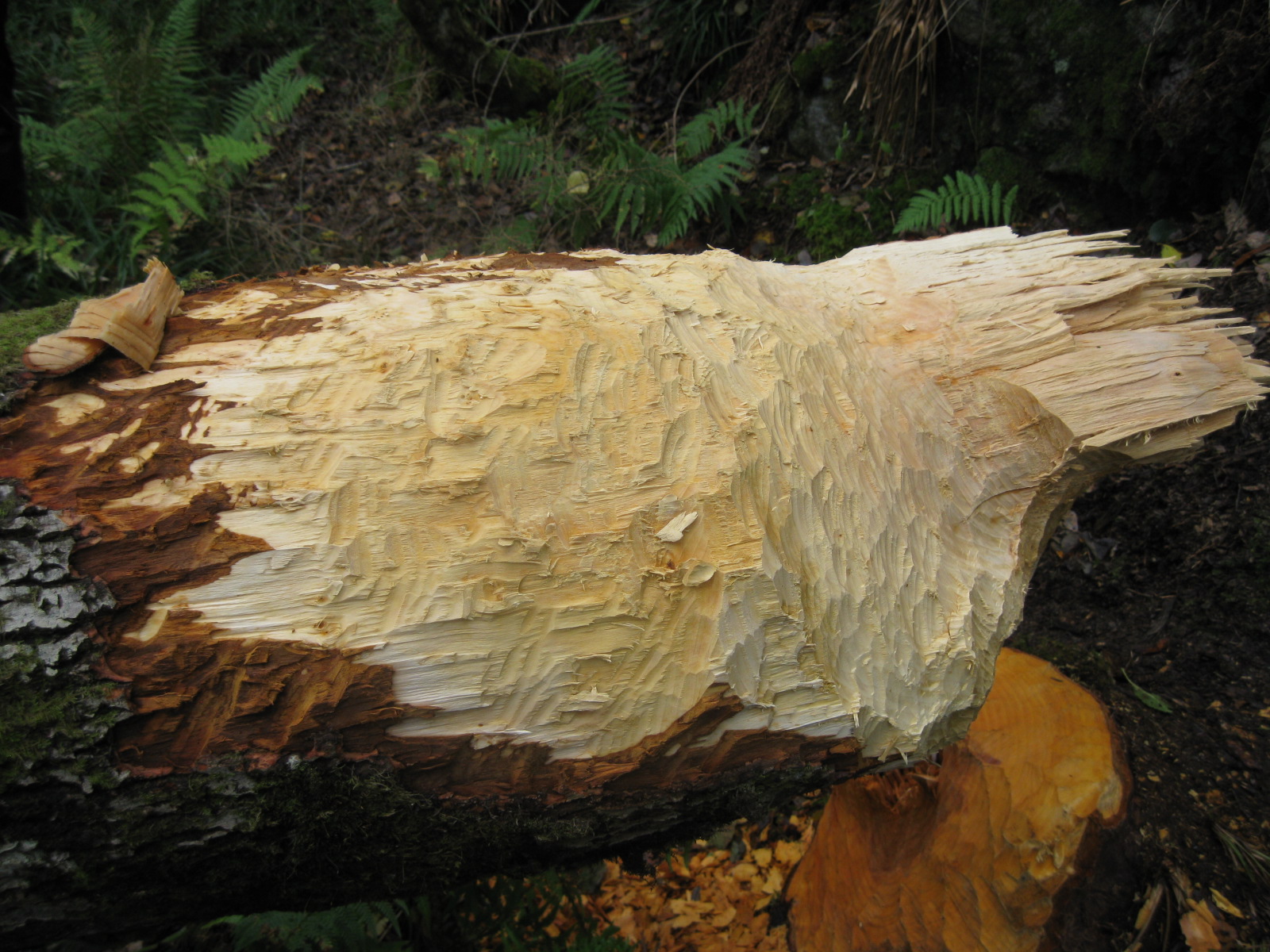
Feels like it’s been a busier winter than usual, in spite of the storminess!  I enjoyed catching up with ranger colleagues at the NTS countryside conference, including a site visit to the Knapdale beaver trial – we all know species reintroductions can be controversial so it was fascinating to learn all about how that one’s been going.

knapdale beaver signs knapdale3

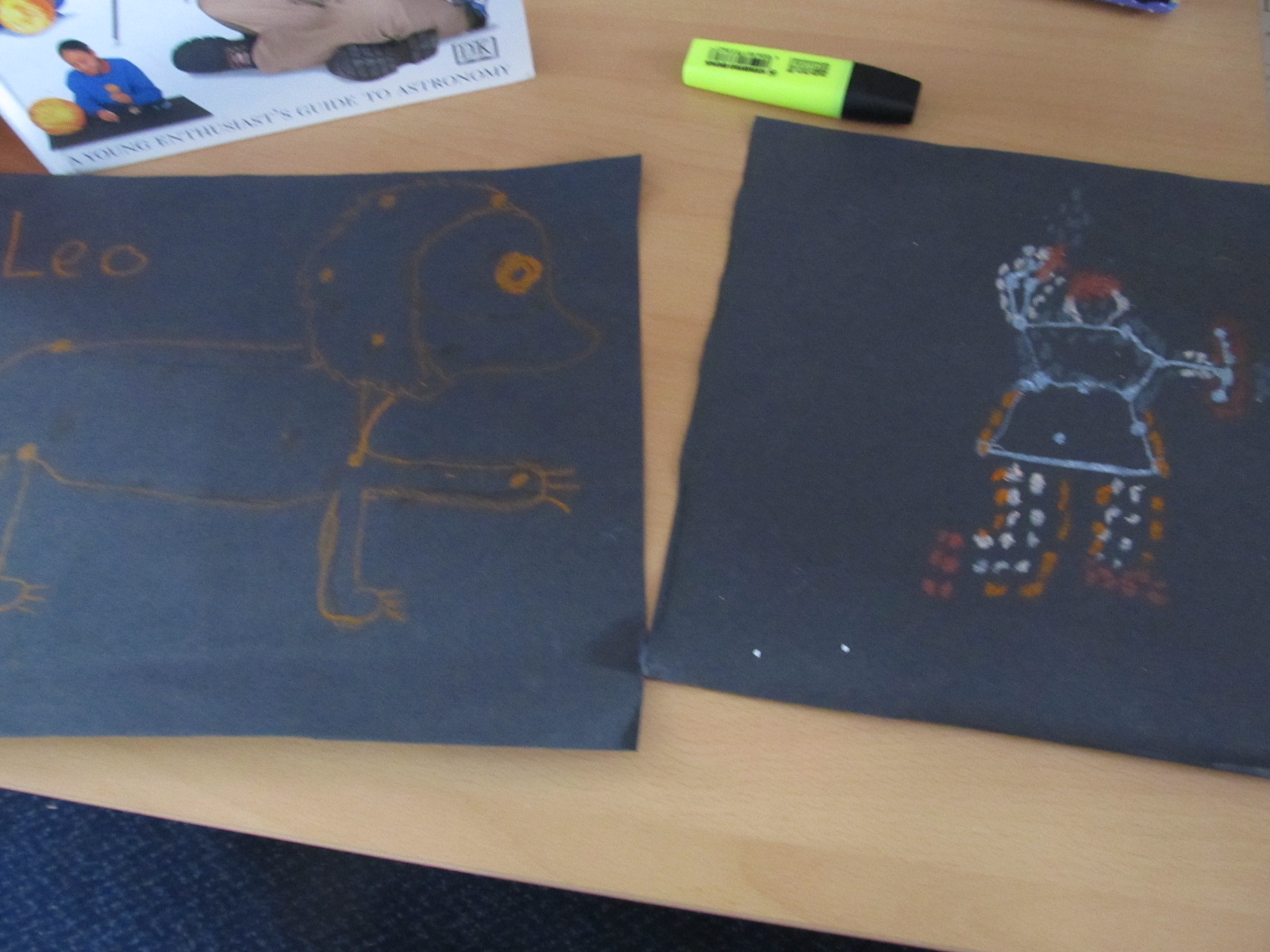
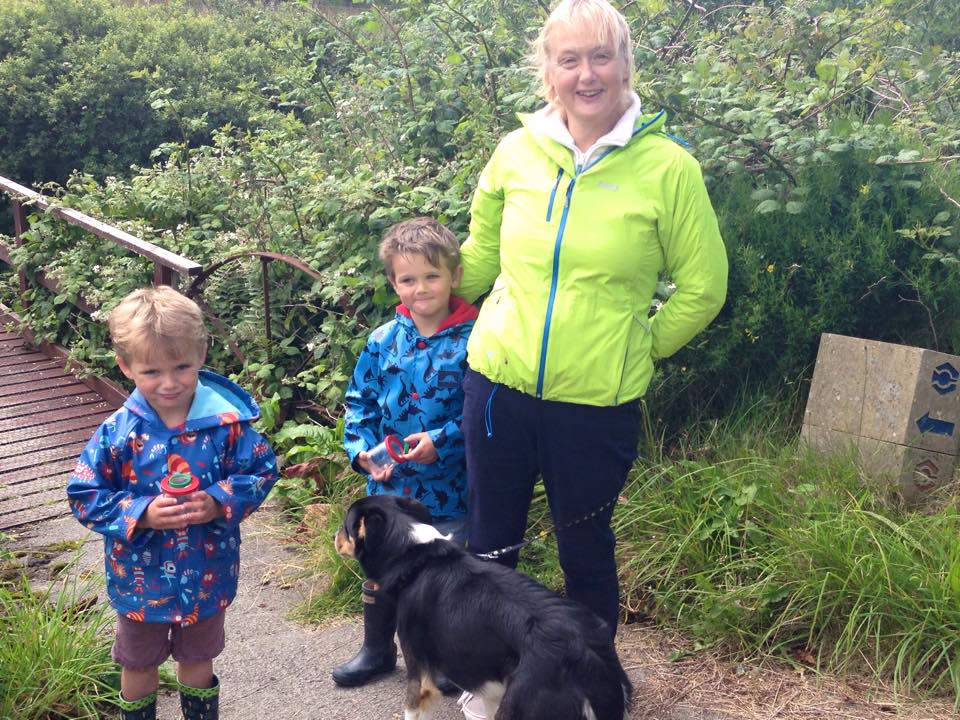
Bunessan primary afterschool nature club has been running all winter, and Iona’s will restart in the spring.  We’ve been making art to celebrate our local environment with It is Our World, learning about the Scottish Outdoor Access Code through games, video clips and an obstacle course challenge, taking part in the Big Schools Birdwatch and doing some citizen science through the What’s Under Your Feet? project.

WUYF-campaigns-page-middle-image-v2_1433759998

Meanwhile I’ve started visiting the Bunessan Pre5 class every month, so far exploring hibernation and winter using all our senses, and also enjoyed some evening stargazing with Iona primary school families including spotting familiar constellations and waving to Tim Peake as the ISS flew past!

stargazing iona primary stargazing iona primary2

Have been spending plenty of time planning our summer events programme so look out for some old favourites and a few new ideas in the mix!  This year I hope to take some school and holiday club groups to our new community forest at Tiroran as well.

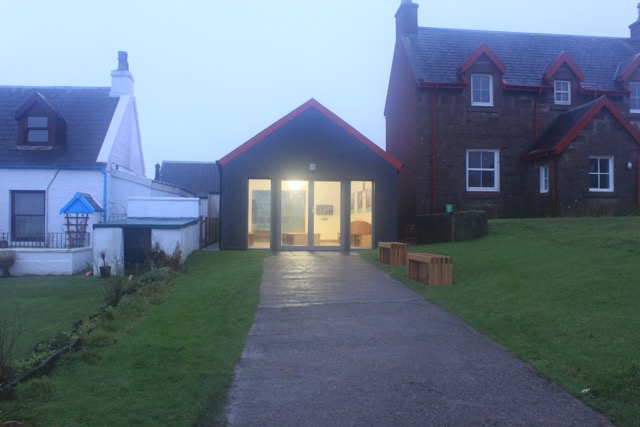
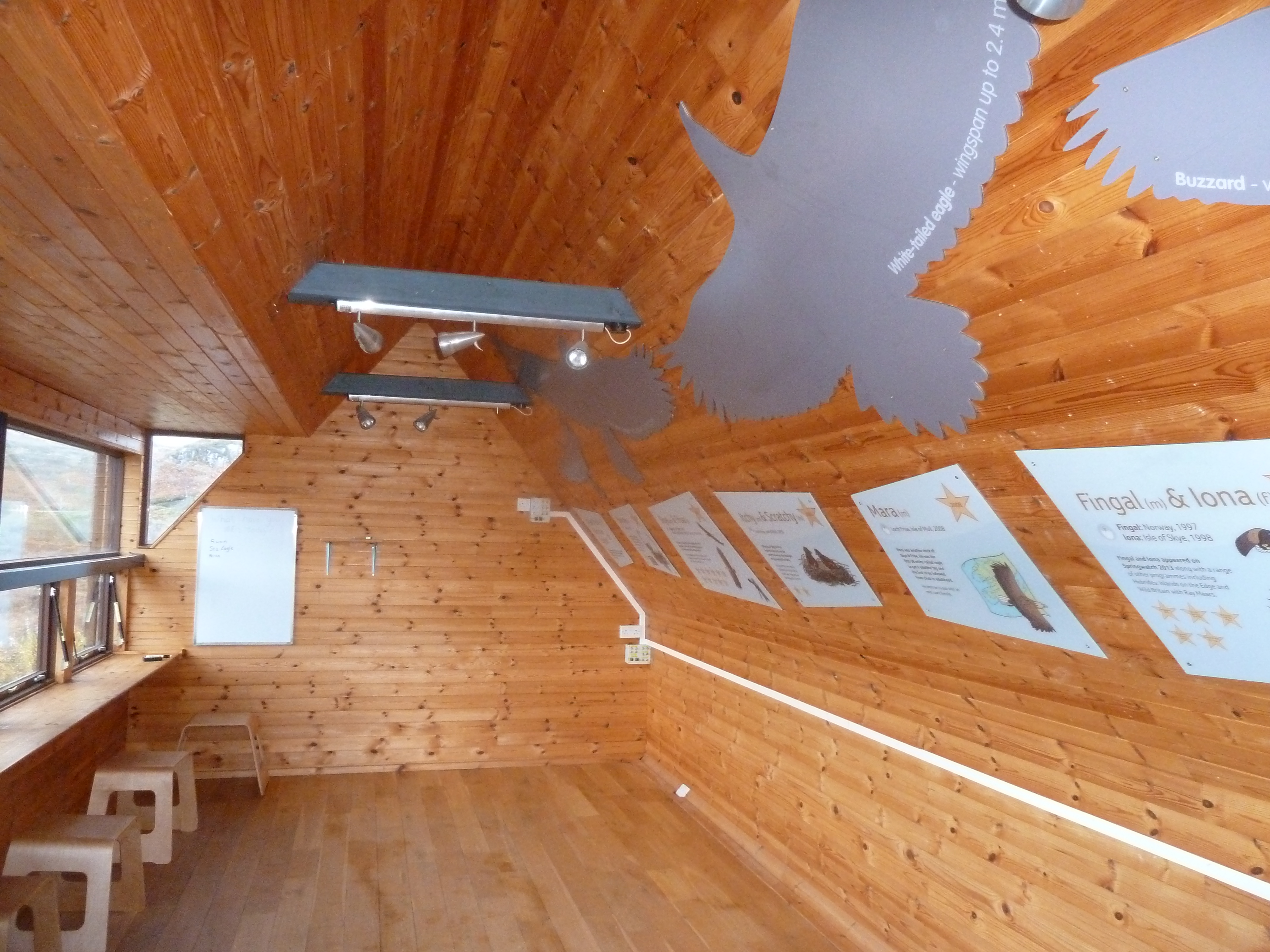
On Iona, the National Trust for Scotland’s new Shelter is nearly ready to open…hope to tell you more about this soon!

external view

Emily Wilkins – ranger for South Mull, Iona, Staffa and Burg

Seasonal Ranger Post

VACANCY

mirslogo

Seasonal Countryside Ranger for Mull & Iona
37.5 hrs per week April-September
The Mull and Iona Community Trust is looking for a seasonal ranger with the support of Forestry Commission Scotland, Scottish Natural Heritage, RSPB Scotland and Police Scotland, North West Mull Community Woodland and South West Mull and Iona Development Trust.
The Seasonal Ranger will spend the majority of time helping run the White Tailed Eagle Viewing Hides (April to September) managed by this partnership. The Ranger will also spend time assisting in the running of an events programme and helping in general ranger duties.
Good communication skills and an open, approachable style are essential. Previous experience is desirable, and a broad base of relevant knowledge will be beneficial. This includes an interest in the natural environment, and a good knowledge of Mull & Iona.
To download an application pack, visit the Documents section at

http://www.mict.co.uk/about-us/vacancies/.

Applications must be received by Monday 22nd February 2016 at 4pm with interviews planned for the week of the 29th February and the start date the 21st of March.
The Mull & Iona Community Trust is an Equal Opportunities Employer. Co. Ltd by Guarantee registered in Scotland. Company Registration No. 172897 Scottish Charity No. SCO25995

This post will be dependant on funding from SNH

Fingal - through the scope

Fingal – seen through the telescope at Tiroran

Autumn with a roar

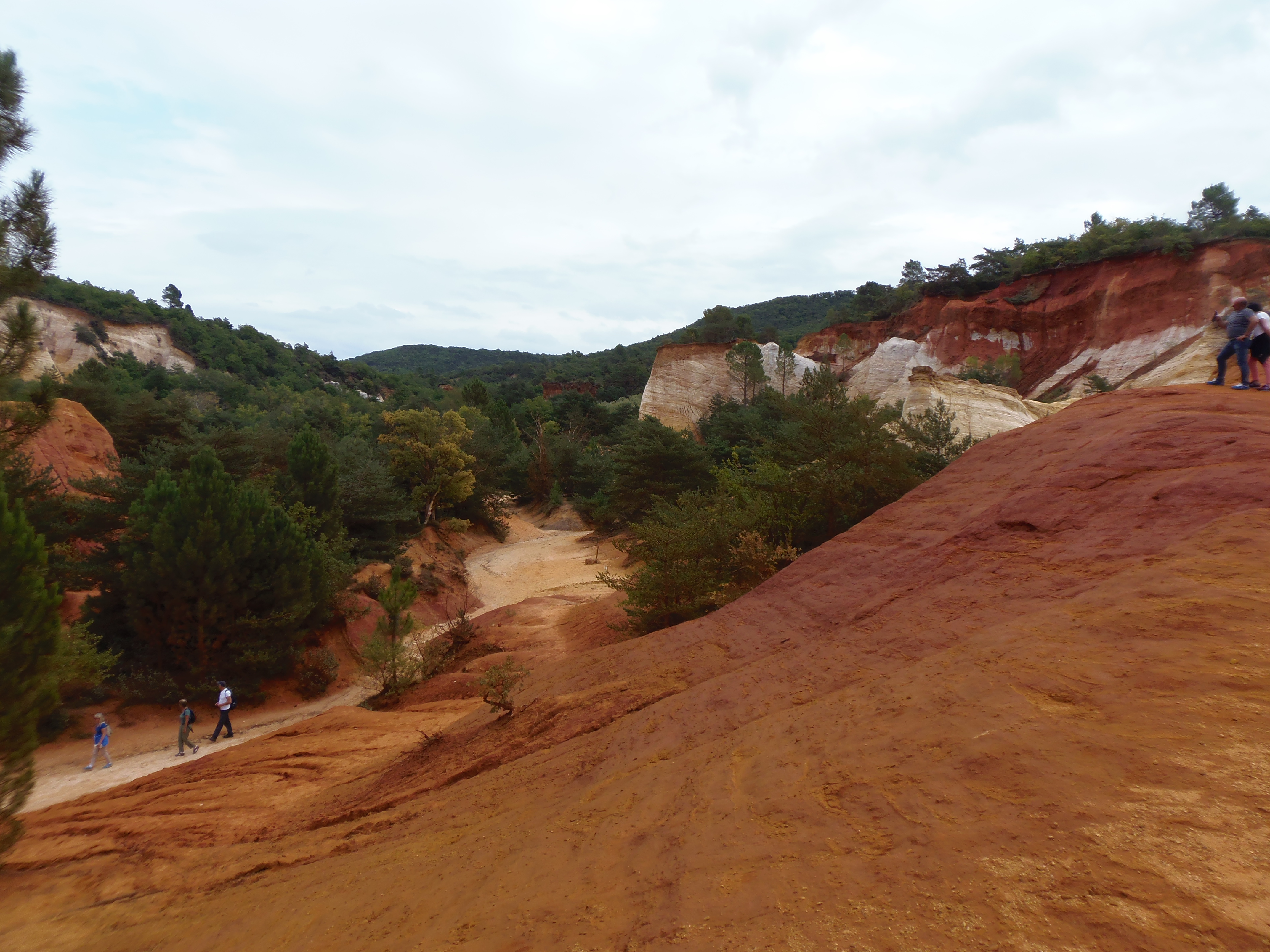
September was a quiet month for me up this end of the island as I was on holiday in Provence, France driving there and back. When we got back to Inveraray on the way home the sea was like a mill pond, the sun was dropping in the sky and the autumn colours were hugging the hillsides and we all came to the conclusion that it takes a lot to beat Argyll scenery. We had all missed having the sea on our doorstep and our abundance of wildlife. Provence was remarkable in lots of other ways particularly the wall to wall hillside of scrub oak, the deep gorges and the flat stony limestones fields swathed in regimental lines of lavender.OLYMPUS DIGITAL CAMERAOchre rich landscape, Provence

On my return we had our annual Deer Rut walk, but this time it was more of a Safari. Usually we have it on the outskirts of Tobermory at Loch na Gualine Dubh but harvesting was on going there at the time so we decided to relocate to the new wildlife hide location at Loch Torr , We teamed up vehicles and drove about 10 minutes into the forest and then a short walk to look over an open hill face. James Greig, our Forestry Commission wildlife ranger was a wonderful host sharing his knowledge of all things related to deer and think all that joined us found it very enjoyable evening, Thanks especially to James for making it special for lots of visitors.

We now have two public viewing hides open to the public on a permanent basis, one on the edge of Loch Torr near the beginning of the forest road and the other at the Forestry Commission Car Park at Fishnish, the Fishnish one has been very popular through the summer. We also have an additional viewpoint in Glen More thanks to the Tiffy Laing for allowing access off the road near the Craig Quarry.

P1050466 P1050461 P1050462The Torr hide, open 24/7

 
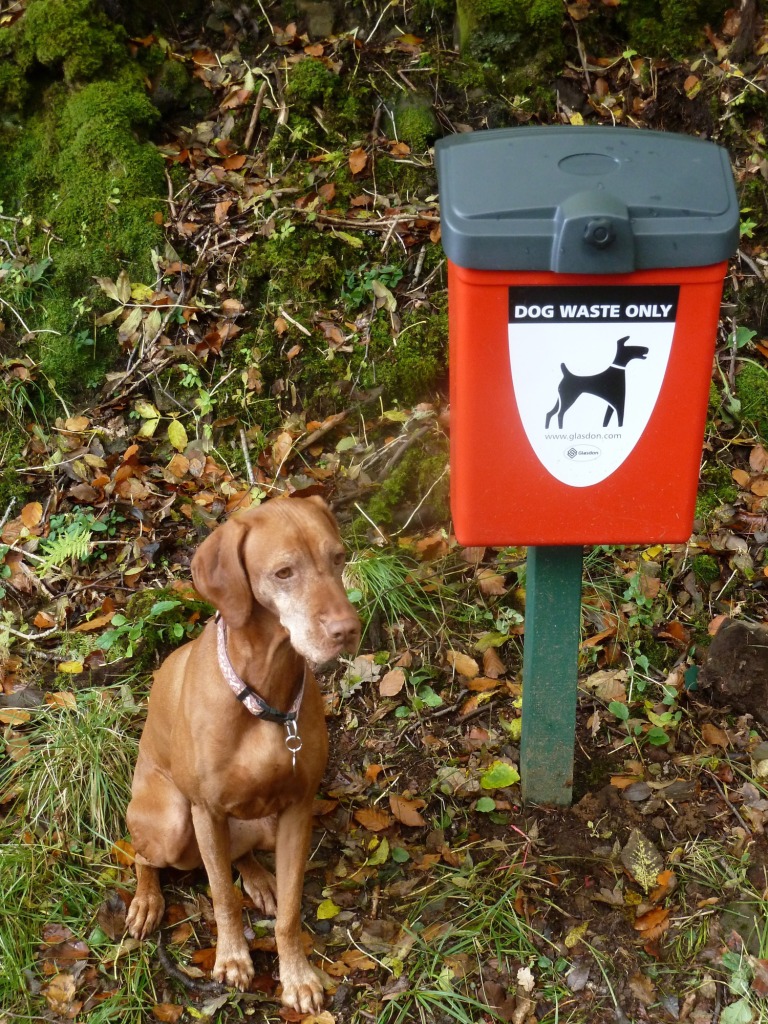
Those whom live near Tobermory will have noticed all the hard work that has been done in Aros Park on Rhododenron clearance and the improvement it has made in opening up views, it has also opened up where people have been hiding dog pooh bags! In answer to the dog pooh crisis in Aros Park there is now a bin for dog pooh at either end of the loch; please use them for dog pooh bags and not for general litter, please take that home with you.

dog pooh binsTikka says ” A bin specially for my pooh, beats carrying it”

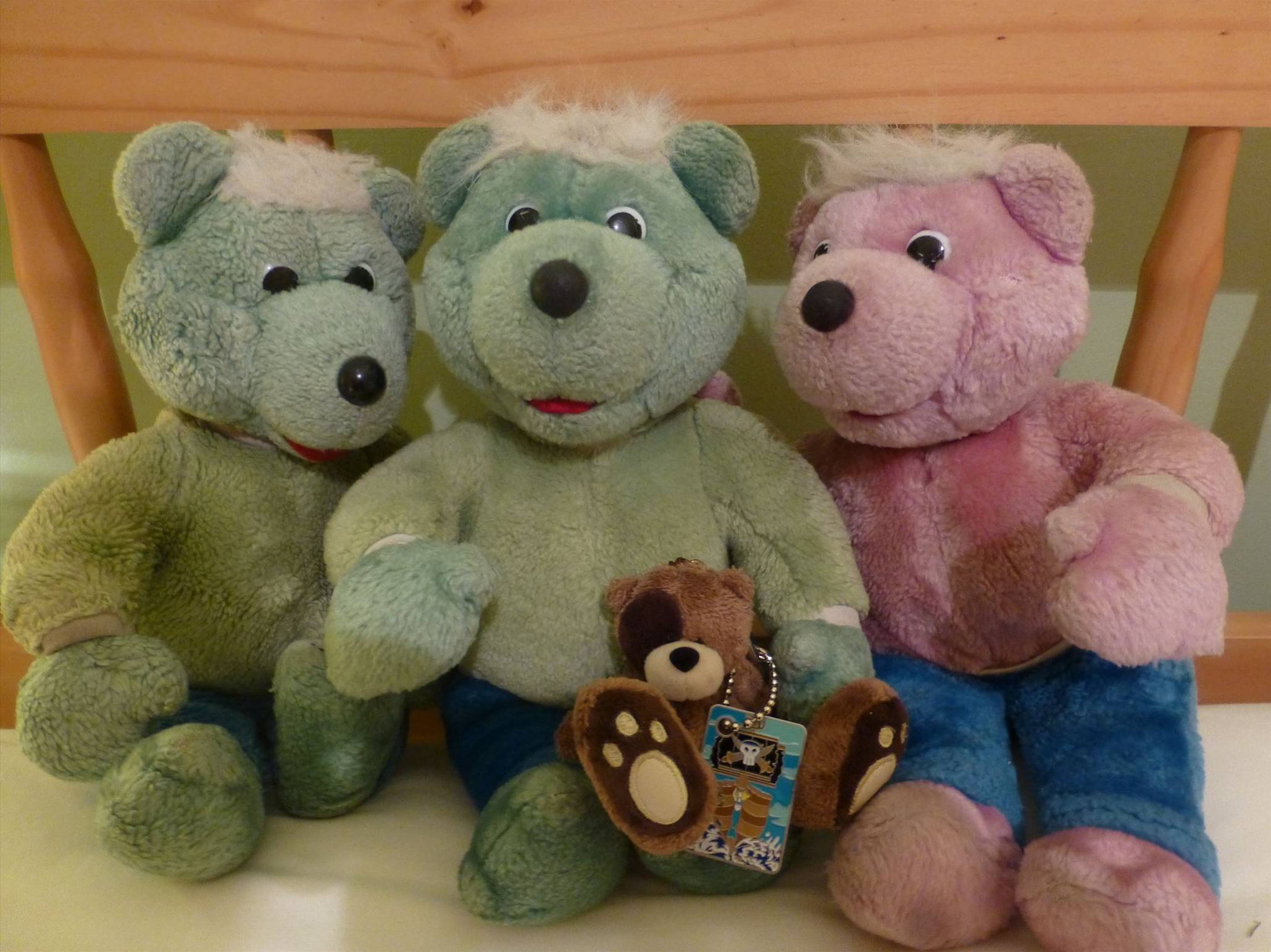
And an update on our geocache bears and some slides from their travels:

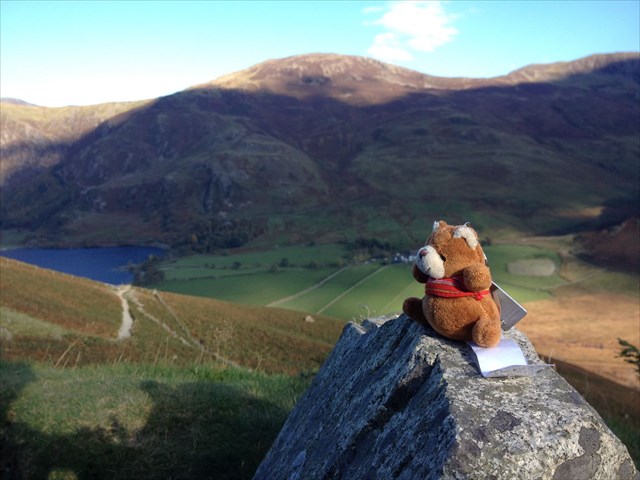
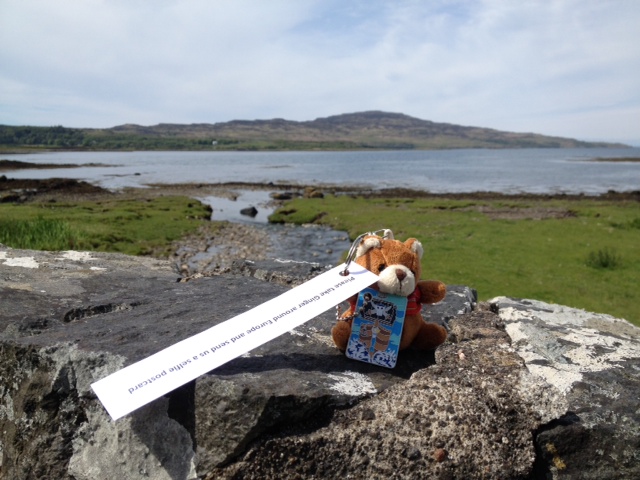
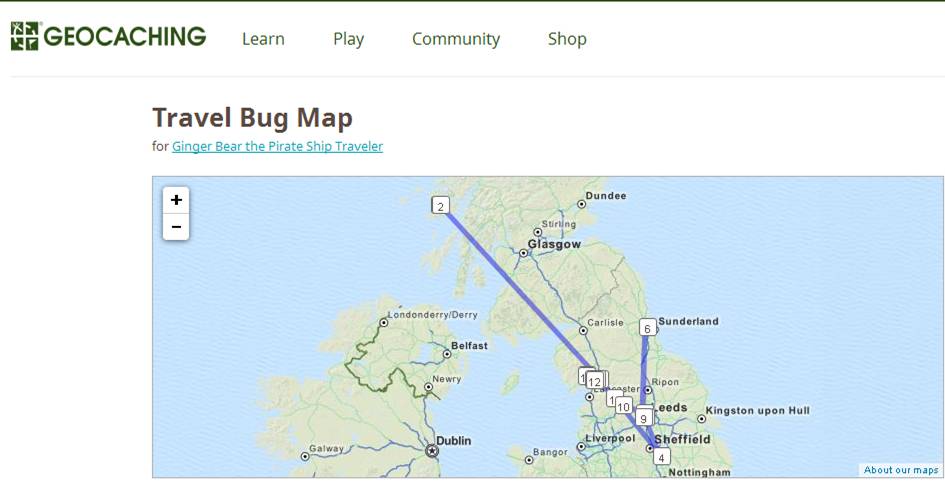
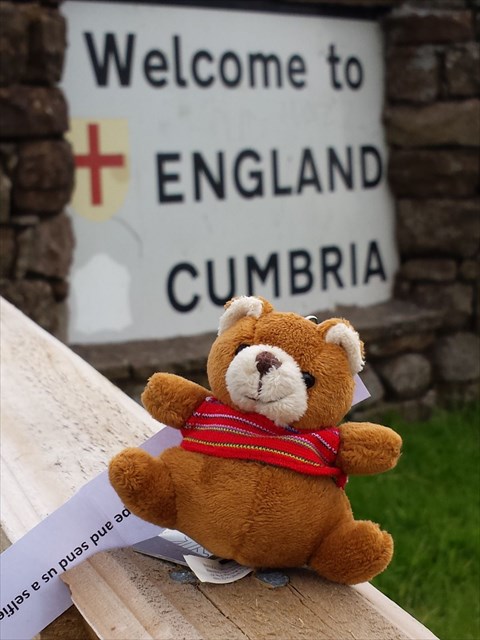
Ginger Bear originally set on his way by Ulva Ferry Primary School, has travelled 10, 681 miles ,  and has been to Cananda and back. He wished to travel the world. Here we see him in the Lake District, taking in some wonderful views

d3429ad6-1f6a-4f1c-a417-0ce84e8be685  2ea99ef9-e2e8-4008-9ea9-13bd3a3eee0c  3130d5b1-c2e8-48cc-8870-cae693365e4e

3fc8f9c7-d614-4593-b793-6e03d5532d8a0efb3df1-f5fb-4412-b6d6-de3fc30398ba

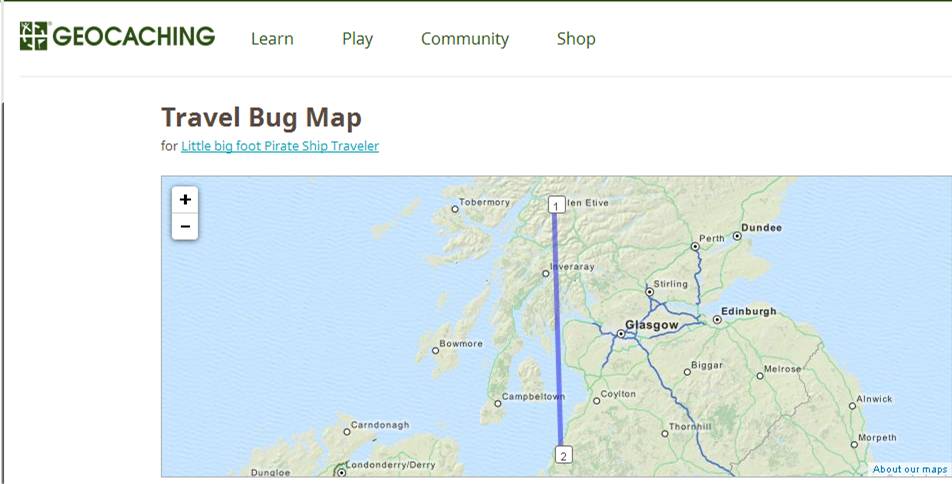
Little Big Foot sent on his way from Lochdonhead Primary School, wished to travel around Scotland and seems to rather like Ayrshire and has travelled 324 miles.Finally Bob from Salen Primary School is in Germany, having travelled 972 miles, but sadly seems a bit camera shy.
We are involved in several events over the winter so look out for poster
Jan Dunlop, Countryside Ranger Manager
Jan.dunlop@forestry.gsi.gov.uk 01680300640/07765898600 and on facebook Mull and Iona Ranger Service

Autumn on the Ross

You might be wondering what we’ve been up to over the last couple of months!  Here’s a wee update on a ranger’s life in autumn…

Bunessan Biodiversity days exploring the wildlife in the grounds of the Ross of Mull Historical centre where I have my office:

Bunessan biodiversity days3 JD photo Bunessan biodiversity days4 JD photo Bunessan biodiversity days MG photo Bunessan biodiversity days2 MG photo

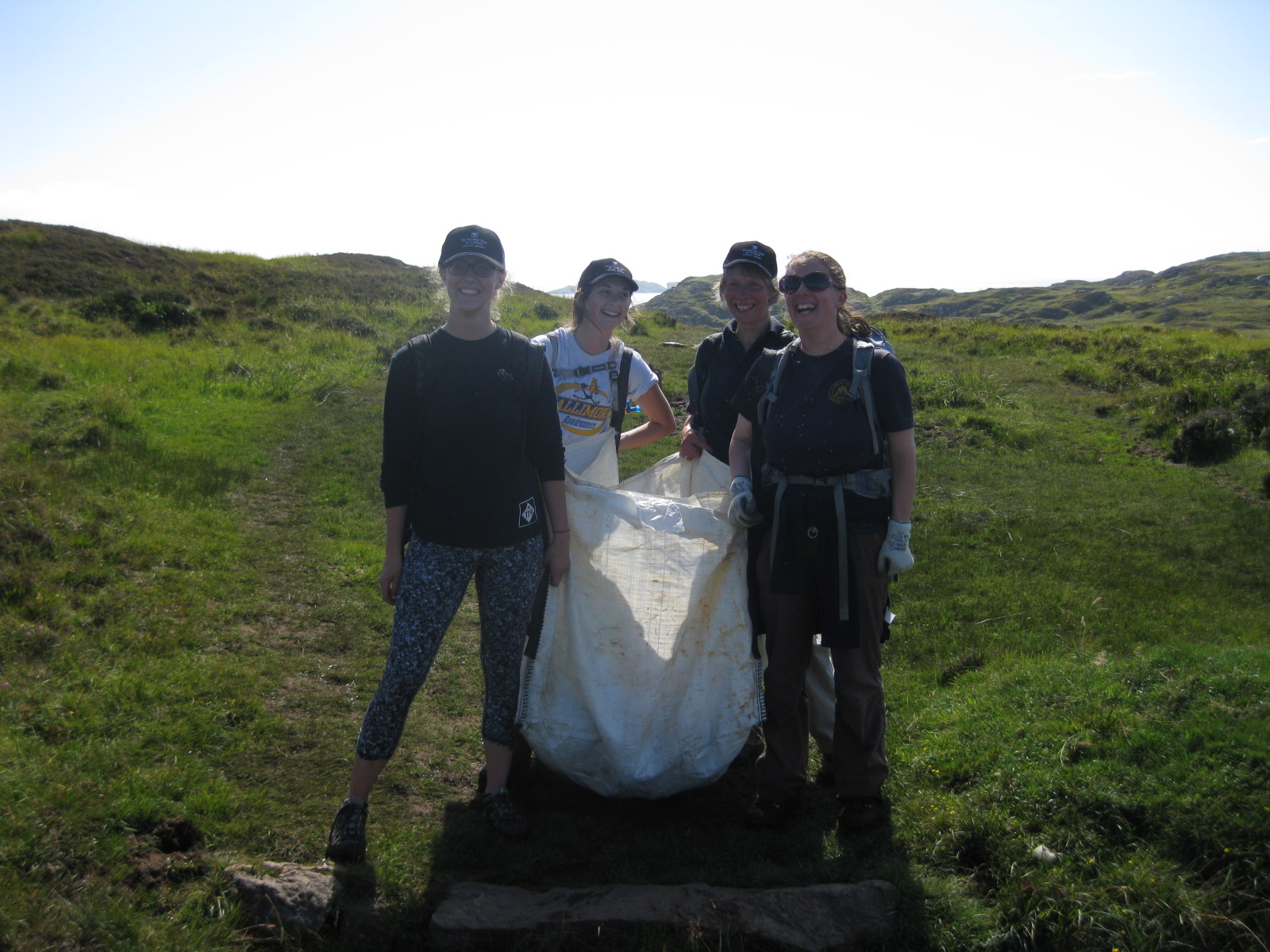
Hosting a Thistle Camp working holiday tackling all sorts of maintenance tasks including the never-ending beachcleaning:

IMG_2192IMG_2193

…and a wildlife film-maker producing a video clip for showing in our new visitor shelter on Iona – more about this in due course!

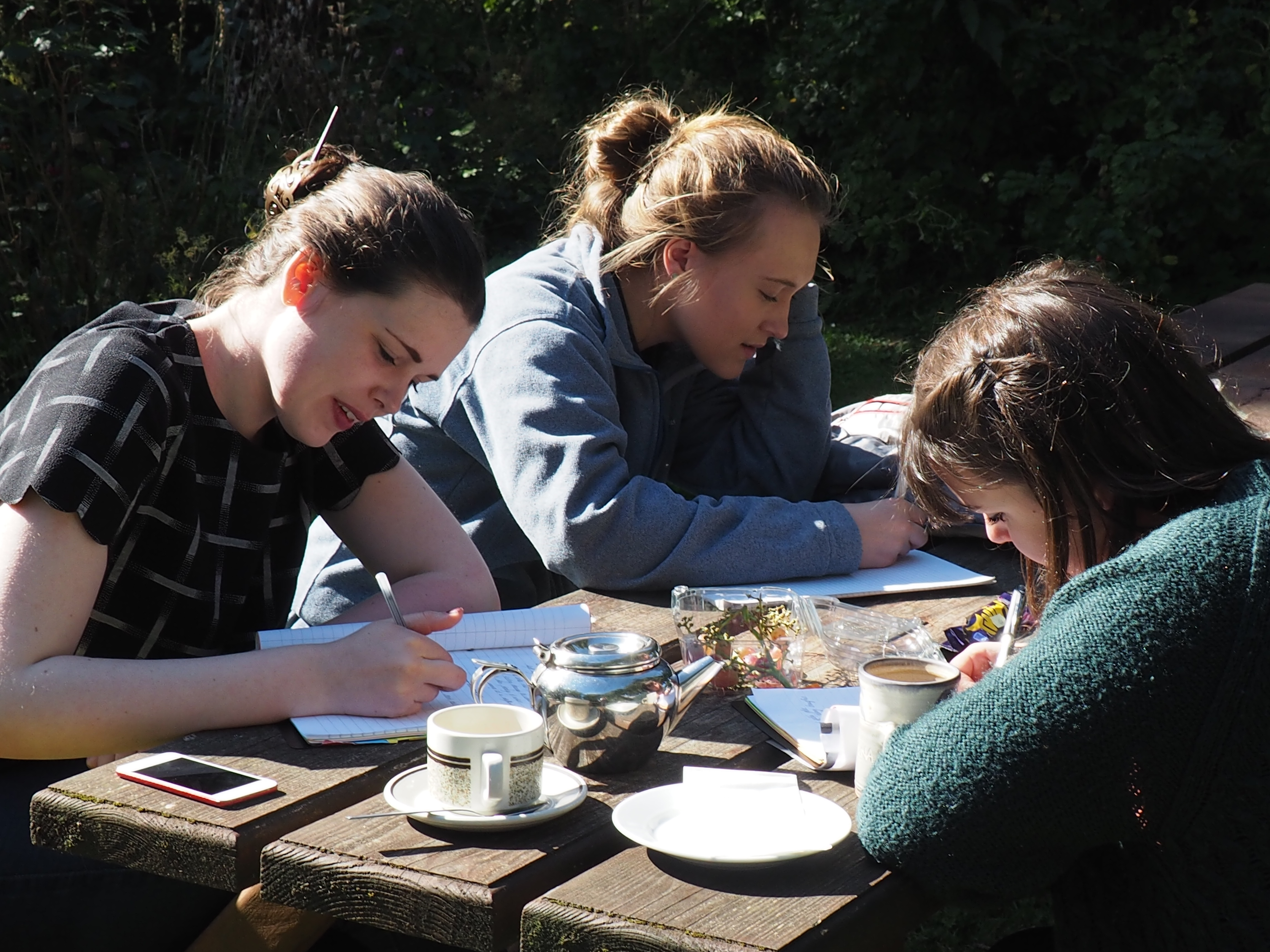
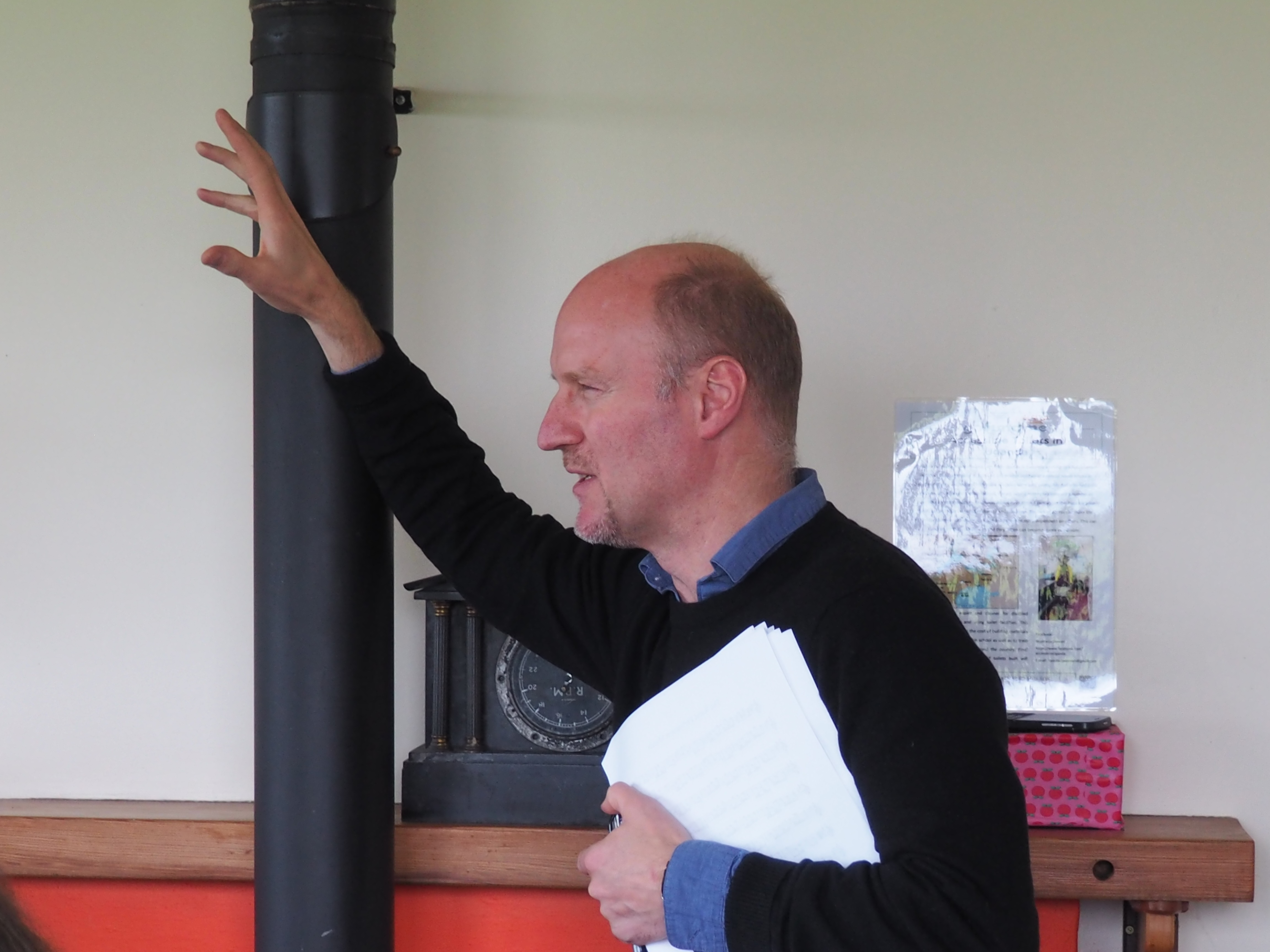
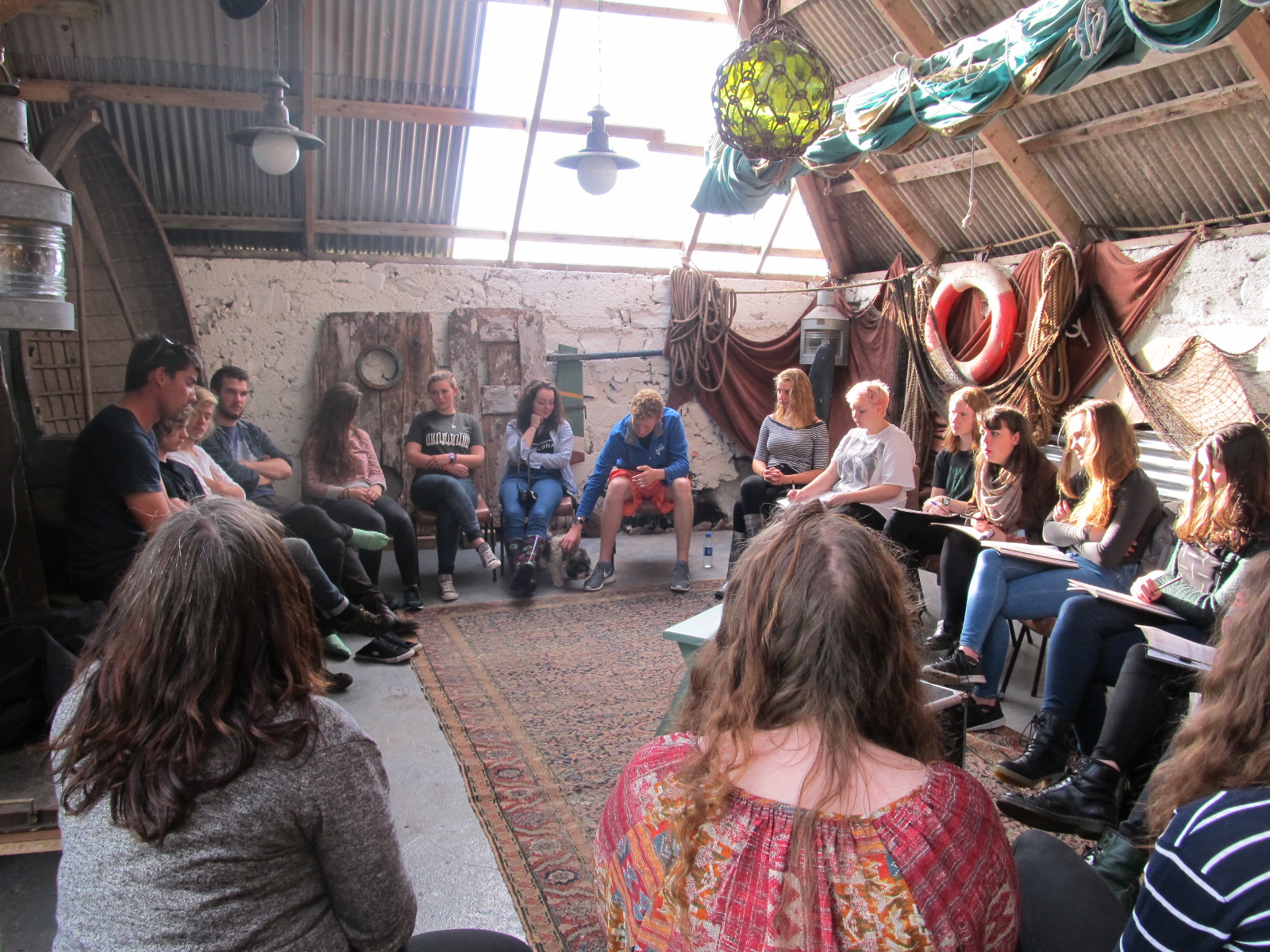
Interspersed with some trips to other beautiful parts of the country for training courses on crofting and outdoor health and safety (and a bit of holiday too!) next up was phase 2 of the Changing Landscapes project, with the theme this year of Working the Land and Sea.  18 students from Oban High school joined tutors Donald Shaw, Eleanor MacDougall and Jan Sutch Pickard for a 2-night stay on Iona and produced some lovely original music and writing in both Gaelic and English about their experiences exploring the island, meeting local folk, investigating placenames, sights and sounds.  Their final performance in the Abbey was recorded professionally so the results will be available soon, meanwhile last year’s project is still available to view, and here’s a few photos of this year’s work in progress:

OLYMPUS DIGITAL CAMERA OLYMPUS DIGITAL CAMERA OLYMPUS DIGITAL CAMERA OLYMPUS DIGITAL CAMERA OLYMPUS DIGITAL CAMERA OLYMPUS DIGITAL CAMERA OLYMPUS DIGITAL CAMERAIMG_1563

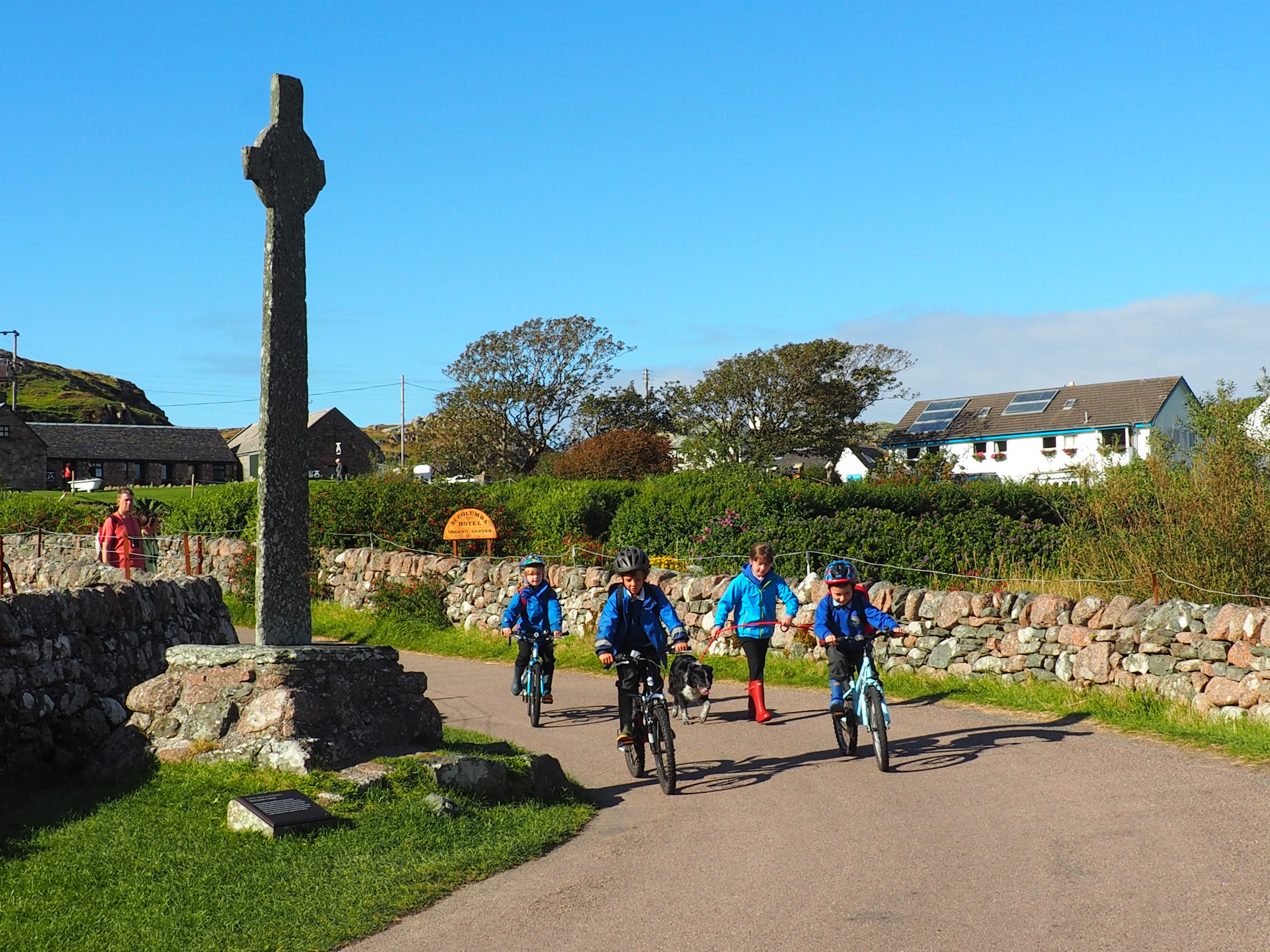
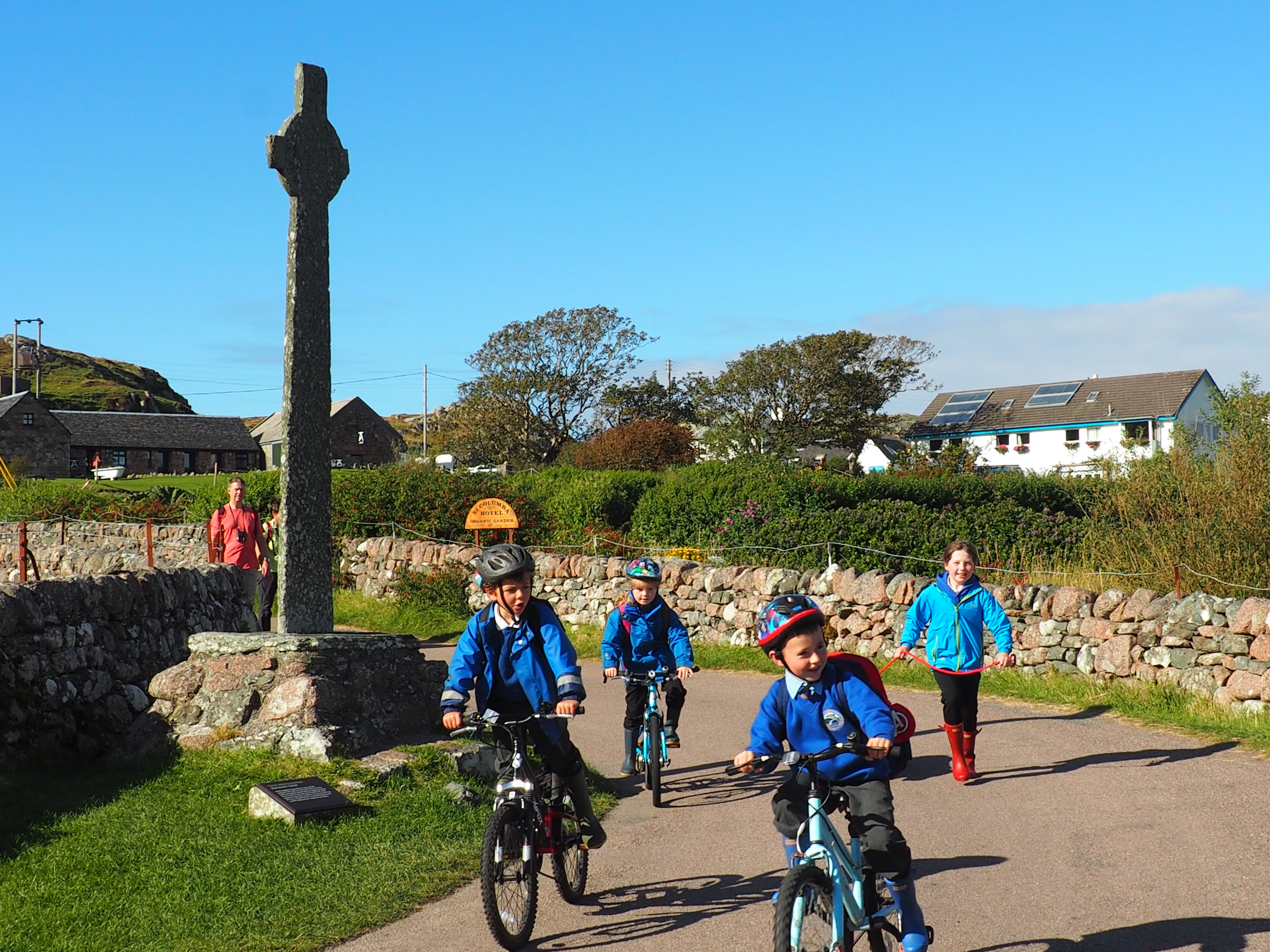
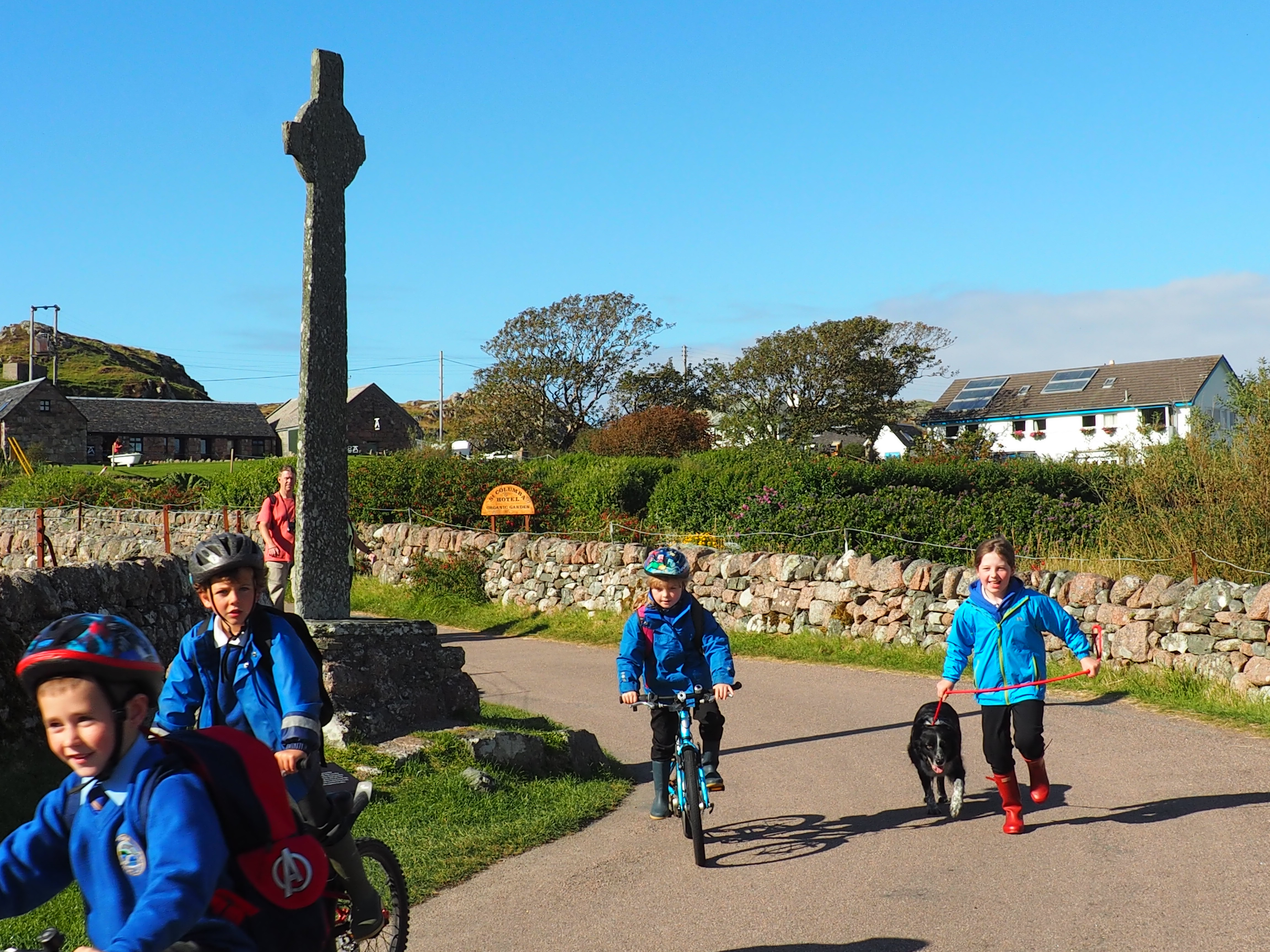
Not to be outdone, Iona primary school undertook their own project in parallel, and the two groups came together to compose and perform a song about Iona’s placenames.  Some of the primary school children also posed for a photoshoot to provide images for our new visitor shelter building too:

OLYMPUS DIGITAL CAMERA OLYMPUS DIGITAL CAMERAOLYMPUS DIGITAL CAMERA

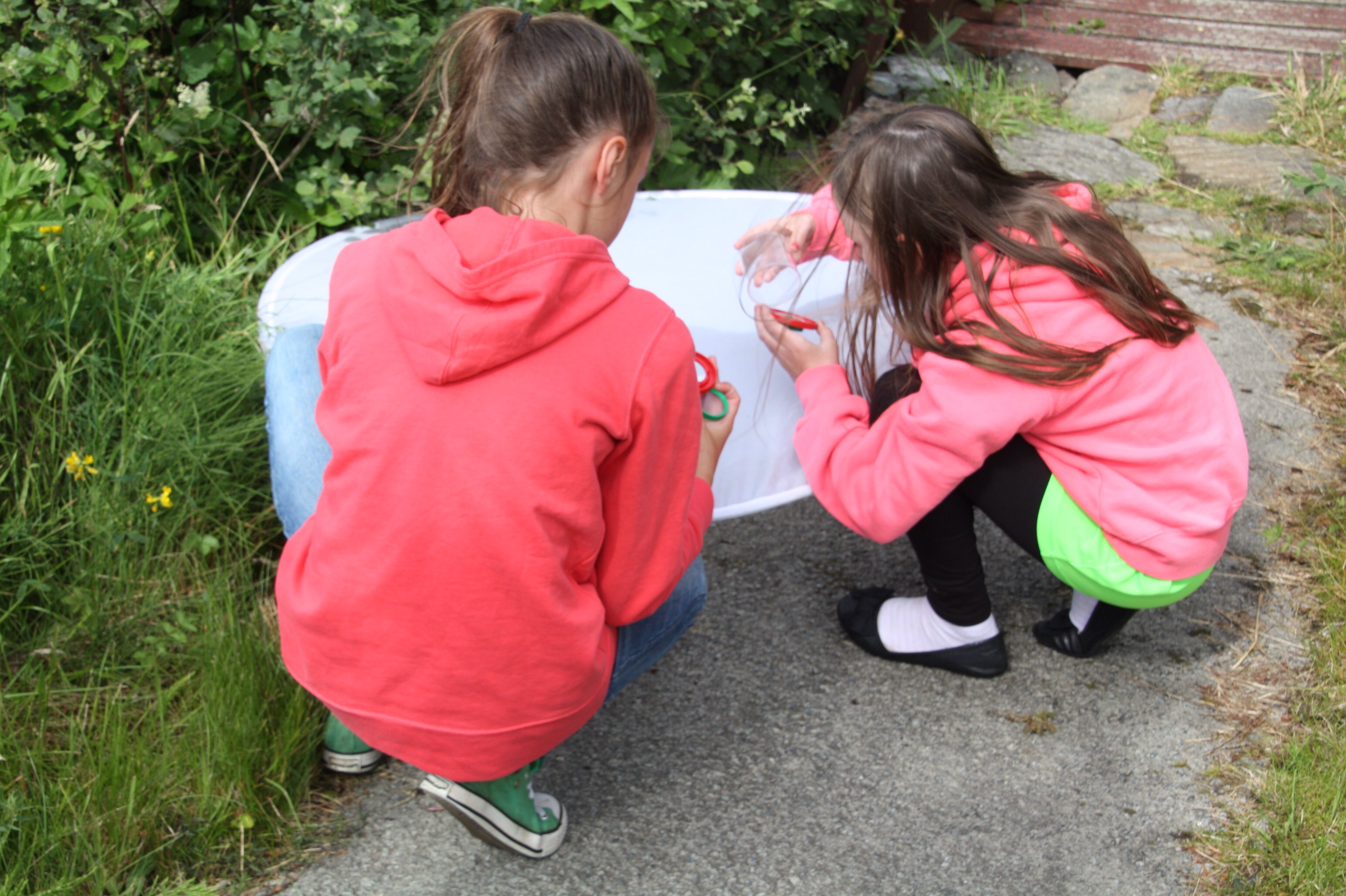
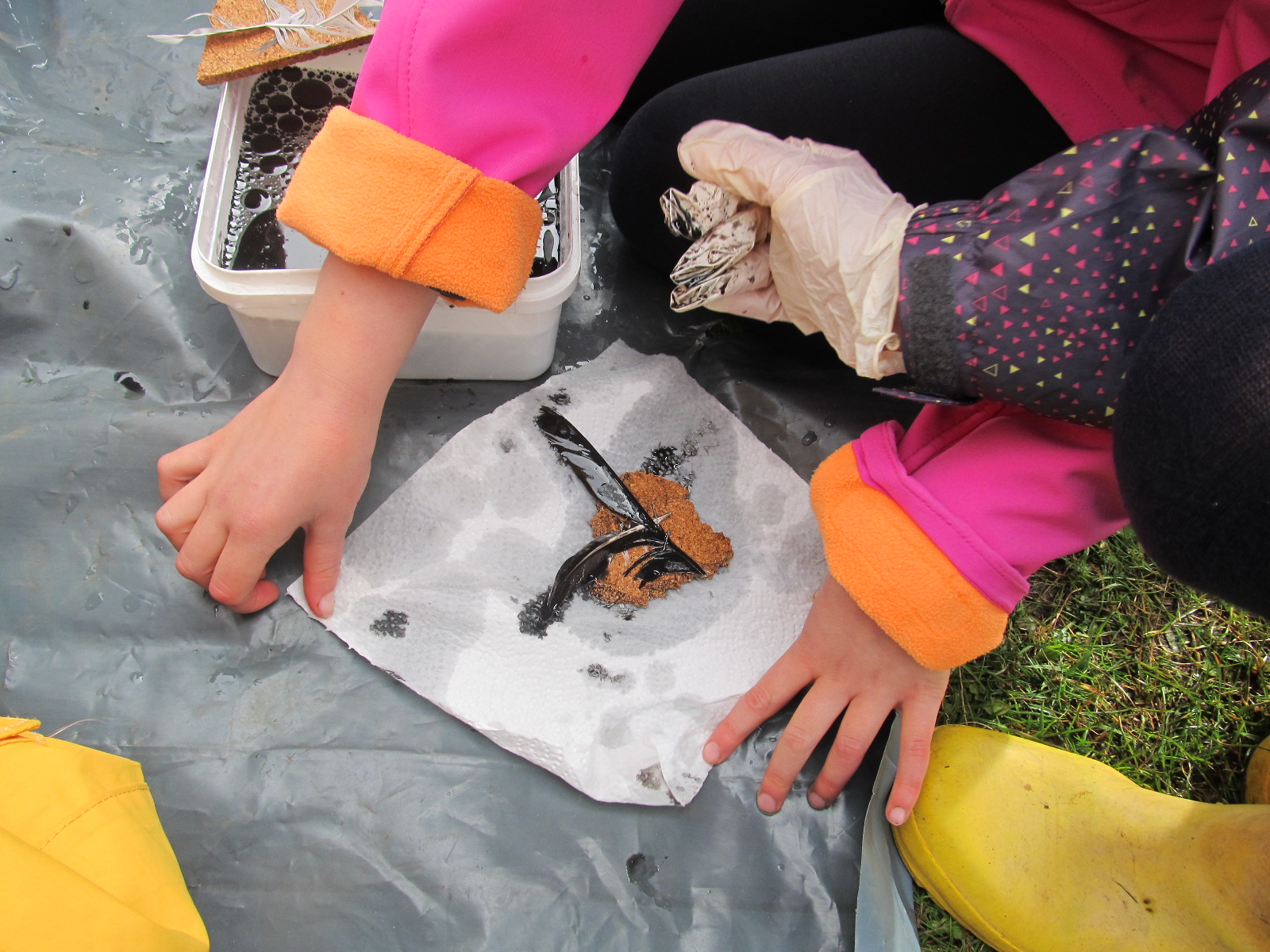
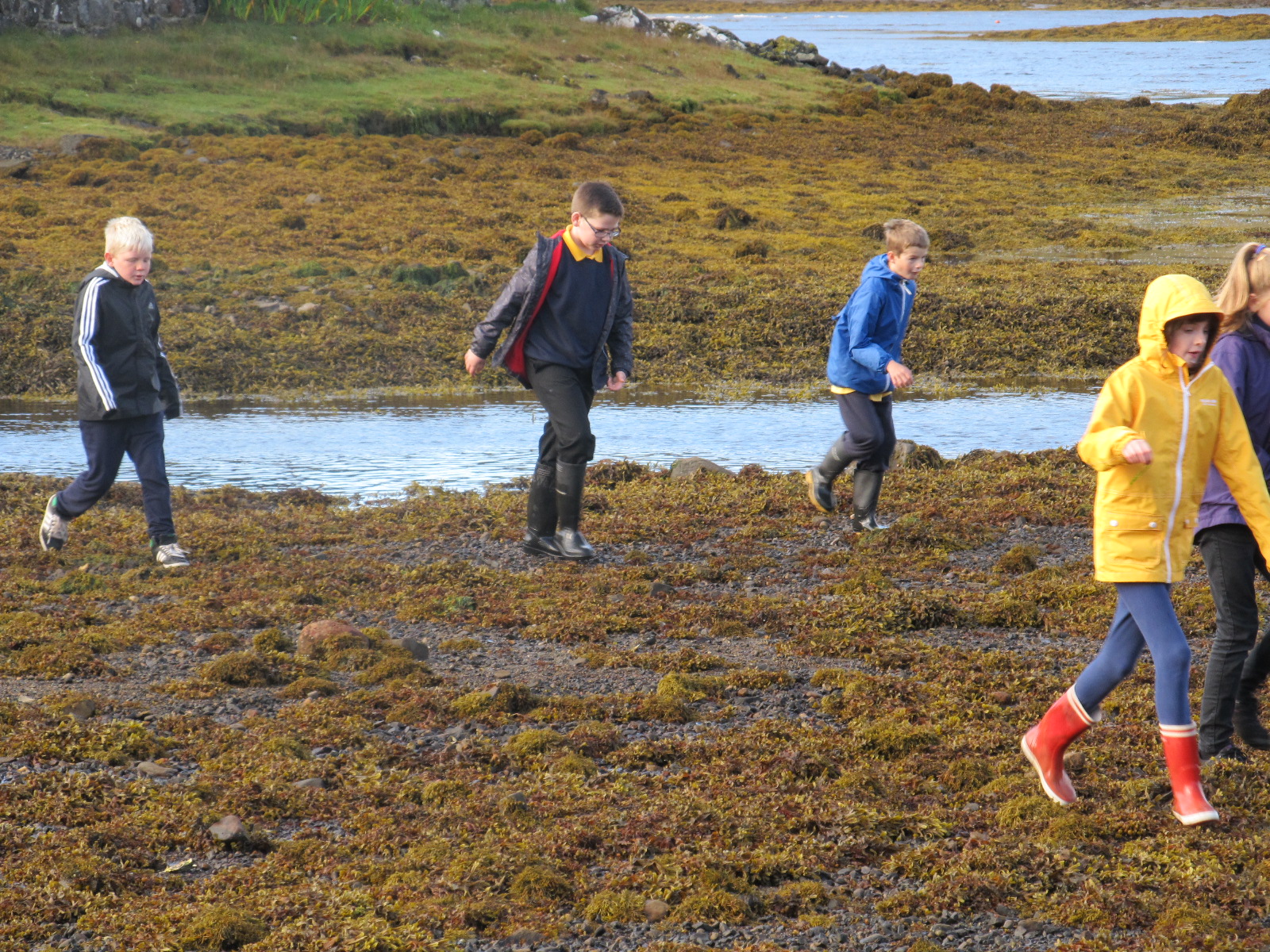
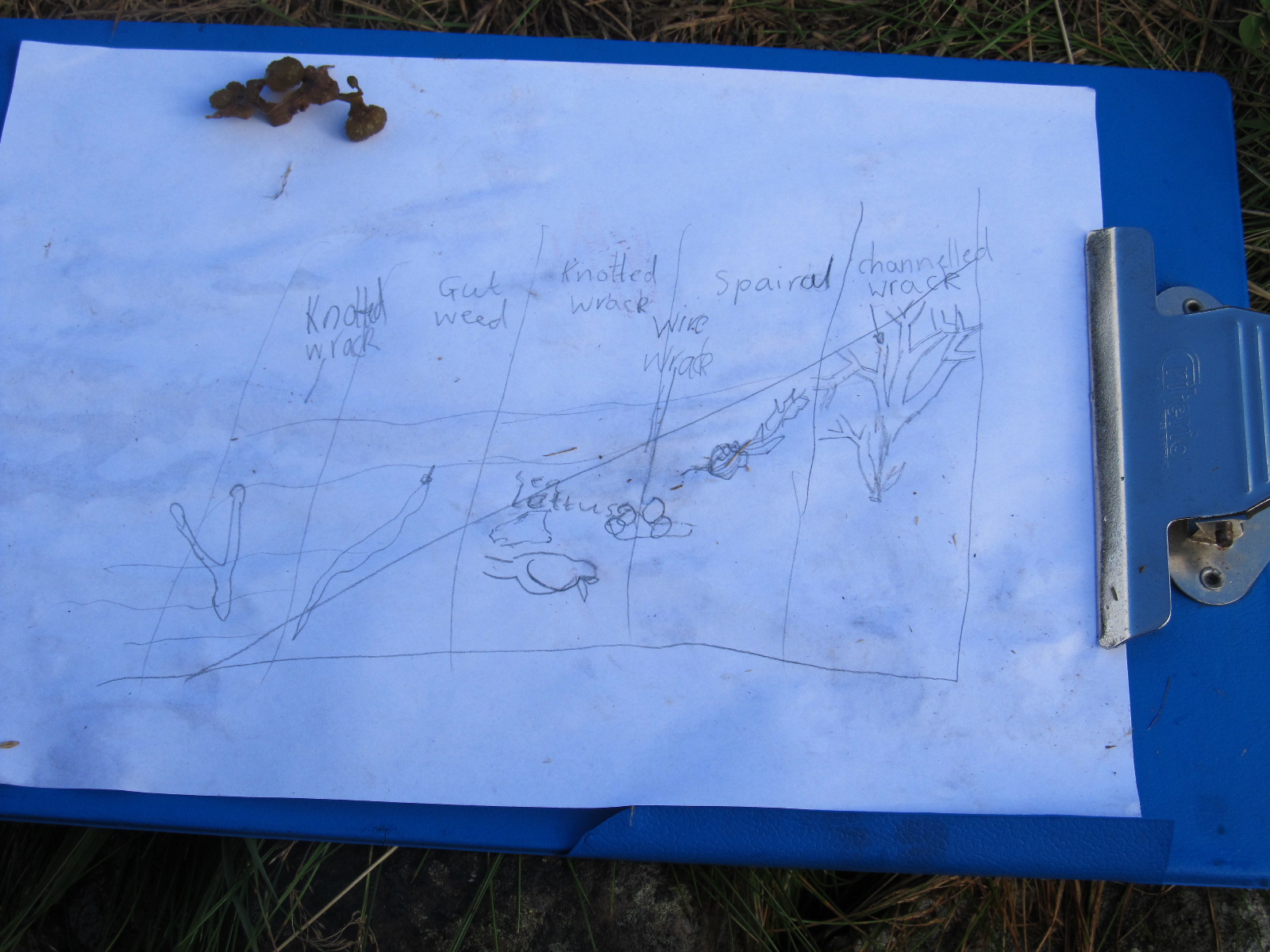
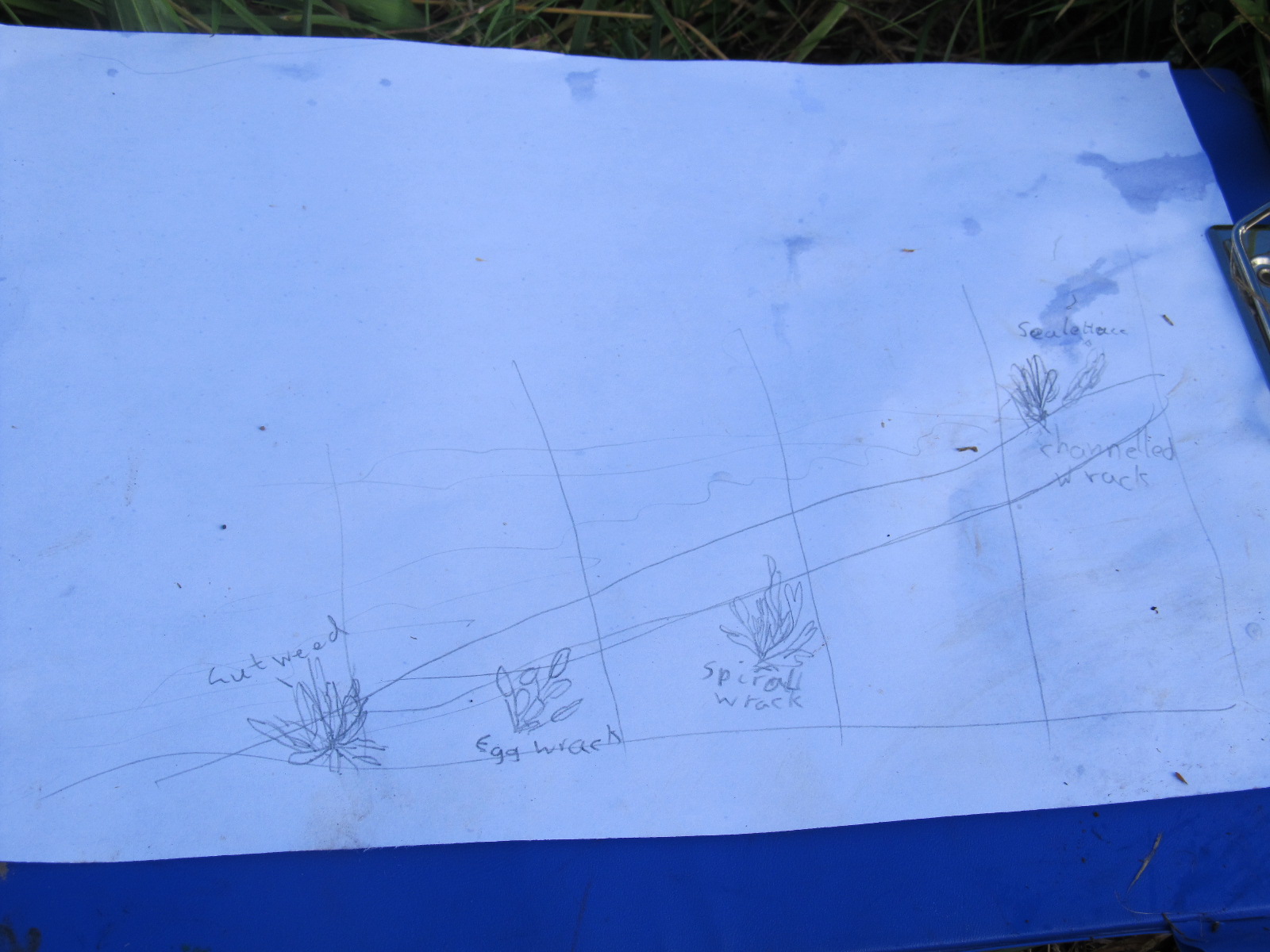
Nature clubs at both Iona and Bunessan primaries have looked at seed dispersal, bumblebees and snails (the snail racing was a particular highlight!) and I also spent time with the older Bunessan class investigating seaweeds and the effects of marine pollution:

IMG_1585 IMG_1586 IMG_1573 IMG_1576 IMG_1577 IMG_1578

Add to that a final plant survey on the Ross, a cheery group of Explorer Scouts visiting from Perth for a foraging trip, checking Staffa’s infrastructure with the structural engineer and attending Burnet Moth study group and Mull Deer Management Group and you have a flavour of a ranger’s autumn.  Don’t forget deer stalking is underway, so please check before you walk in the hills, using the contact details in the Outdoors Mull leaflet available locally and the advice here.

Practical Plants Day

Guest blog from Katrina Crosby this time.
After months of planning, preparing and hard work, our nails were bitten down to the quicks.  The night before the event, the marquees were constructed, the tables and chairs arranged, posters and signs had been blue-tacked to the walls and we nervously locked the door to Creich Hall behind us.  Then the nagging questions settled it, “will people really turn up?”.  We just had to hold our breath that it would be a nice day and try to get a few winks in before the big day.
Bright and early the next morning we were greeted by cheerful bunting waving us in.  Leaders, sellers and caterers arrived.  Boxes and bags full of supplies, goodies and equipment were emptied, while books filled the little library shelves and treasures were angled ‘just so’.  The buzz of excitement was building and before we knew it the doors were open and people started to come!
The bus filled up with those eager to learn about seaweed, hiking boots were donned and walkers set off.  Aprons were tied around waists, willow was bent, jars of gloomy goop turned into colour.  All sorts of smells wafted through the hall (mostly yummy but a wiffy one too) and smiles, lots and lots of smiles, lit up faces all around.
The Practical Plants Day was a huge success!  So many people booked into the courses and quite a few turned up for lunch or just to have a nosey around.  We have had amazing feedback and have taken on-board the sensible suggestions that were shared.  People walked away excited about what they had learned and proudly held on to the treasures they had helped to create!
We are already back around the table to start making next year even better!  So, thanks to everyone that organised, volunteered, helped and attended.  If you would like to join in on the planning, have a ‘plant skill’ that you would like to share (or know the perfect person who could), or an idea that might just be the thing we need, please contact us!
Katrina, Alex and Emily
01681 700 659
07717 581 405
or Practical Plants Day page on Facebook
There are lots of photos here if you would like to see what we got up to on the day!

Magnificent moths

Our moth morning event went well. Thankfully the weather the night before was suitable for moths, high winds or heavy rain aren’t the best for trapping – either for the moths or the trap itself! But we had a cloudy night with fairly low winds, ideal for catching lots of moths. Great to have some children join us for the event too, as moth trapping is a great interest and can be a hobby for life. Thanks to the huge number of species you’ll always be learning, plus as the climate changes the range of moth species will change, so this will present new challenges! It made a nice change to sort through moths with interested people rather than alone!
All of our records will be given to the county recorder and contribute to country wide data and help target conservation. We’ll also send our records to the National Moth Week team.

Tobermory Moth Trap

Purple Bar x1
Buff tip x1
Beautiful golden Y x6
White ermine x7
Broom moth x1
Antler moth x2
Purple clay x5
Nutmeg x1
Smoky wave x1
Gold spangle x1
Lesser swallow prominent x2
Ingrailed clay x3
Clouded-bordered brindle x5
Bright-line brown-eye x1
Dotted clay x2
Green arches x1
Knot grass x1
Six-striped rustic x2
Light emerald x1
Smoky wainscot x7
Flame shoulder x1

DSC_5896

Buff-tip

DSC_5865

Gold spangle

DSC_5855

One of the children enjoying a lesser swallow prominent, what a connection with nature!

Another child, Henry, had brought along his emperor moth caterpillars to show everyone.  They were feeding on heather and will become large, spectacular moths!

Bunessan moth trap

Dark arches x1
White ermine x3
Purple clay x2
Clouded-bordered brindle x1
Common rustic x1
True lover’s knot x1
Magpie moth x1
Cinnabar x1
Clouded border x2
Green carpet x1
Common marbled carpet x1
Flame shoulder x2

We’ve highlighted the moth species found in both traps, but you can see quite a variation with species, one main reason will be the variety of habitats at the two trap locations. Different bulbs were also used which may be one reason the Tobermory trap had higher numbers.

We hope we’ve inspired you to try moth trapping, it can be great fun and a really great hobby to have. Look up your nearest butterfly conservation group, they often run events or can lend out moth traps.

Thanks – Rachel & Emily 🙂

Half way through July…

It is hard to believe that we are already half way through July and still I have not really felt the summer rays of sun

I thought I would give you an update of our geo-caching traveling teddies which I mentioned in last months item.

First let me introduce them, there is Ginger teddy set on his way by Ulva Ferry Primary School,(whom wished to travel Europe) then there is Bob from Salen Primary (whom wished to travel the world)and finally but certainly not least Little Big Foot from Lochdon Primary School.

Here are their mug shots as they were when they left Mull.

little big foot

Little Big Foot from Lochdon

Ginger from Ulva Ferry

Ginger from Ulva Ferry

Bob from Salen

 
And so for an update:

Ginger has travelled 565.6 miles so far first leaving Mull and ending up on the M1 at the Woodall Service Station and from there hoping to get a flight from the Leeds and Bradford Airport, he missed a plane and was picked up by the geocachers ‘Heap Patrol’ and has since be traveling around Yorkshire including going to the Kendal Gold Cup and Kendal Summit.

Ginger travels mid July

Ginger catching the ferry

Ginger stows away on the Isle of Mull ferry.

Ginger makes it to England

Ginger at passport control

Ginger travels mid July
Bob has made it to Mt Hermann in Germany and has traveled 637 miles and was in the care of the ‘Dimo Team’ who have left him there for someone else to pick up.

Bob makes it to Germany

And finally there is Little Big Foot who wishes to travel around Scotland and has made it to Colmonell, Ayrshire thanks to Dimo team as well. He has traveled 106.1 miles

Little Big Foot makes it to Colmonell

On his way he has made lots of bear friends.

Little Big Foots friends

We will keep you posted on their travels, alternatively you can follow them yourself at http://www.geocaching-mull.co.uk/travellers/

Moth Morning – 22nd July

Night Time Nature

National Moth Week begins on 18th July, a global citizen science project focusing on the fascinating world of moths. This week long event celebrates the insects belonging to the same group as butterflies, but because many emerge at night we often overlook them. Moths are most known to us for their clothes munching larvae, and most people think they’re all brown and boring, and they’re wrong! Only a handful of moth larvae actually eat clothes and these are often the tiny micro moths, not the macro moths that most moth-ers focus on. In the UK we have around 60 species of butterfly and for those of us that live in the North of the country many of these species are out of reach, much preferring the warmer climate down South. Moths on the other hand are in abundance with around 2500 moth species found in the UK, in Scotland we probably have around 500 species of large, macro moths – plenty to keep us interested! You can join in with National Moth Week if you have your own trap but if not look out for events being held around the country, this is a great way to get an introduction to the underestimated world of moths. You can join myself and Emily on Wednesday 22nd July for a morning of moths.

Moth trapping

Moth trapping is a growing nature based hobby in the UK and I started moth trapping this year after first trying whilst volunteering for two weeks on an RSPB reserve. My trap is homemade and was much more affordable than some traps you can buy online, so don’t be put off by the price if you’re thinking of starting out. My trap cost around £60, you just need someone who is handy with a hammer and nails! Because of work commitments I only trap on weekends at the moment, and even then we’re very dependent on weather conditions, but beware, it can become addictive. The trap works by using a light bulb to attract moths which are then caught in the bottom of the trap (harmless and they’re released), and so the following morning you can investigate what you’ve caught. This can be daunting when you first set out because of so many species, but having a good book will help enormously. Plus, there are many facebook groups and twitter users to ask for help and your county recorder will always be happy to assist, just take photos of any you aren’t sure on.

Recent records

I’ve been using my trap whenever weather and time allows, so to get you excited for moth week I thought I’d share some of the moths I’ve caught. At the beginning of July I caught around 35 different species in one night, this was my largest catch so far and took me a while to sort, but it was brilliant all the same. Here are some images I’ve taken whilst I’ve been trapping throughout the season so far:

DSC_0098

Poplar hawkmoth

DSC_0155

Clouded border

DSC_0859

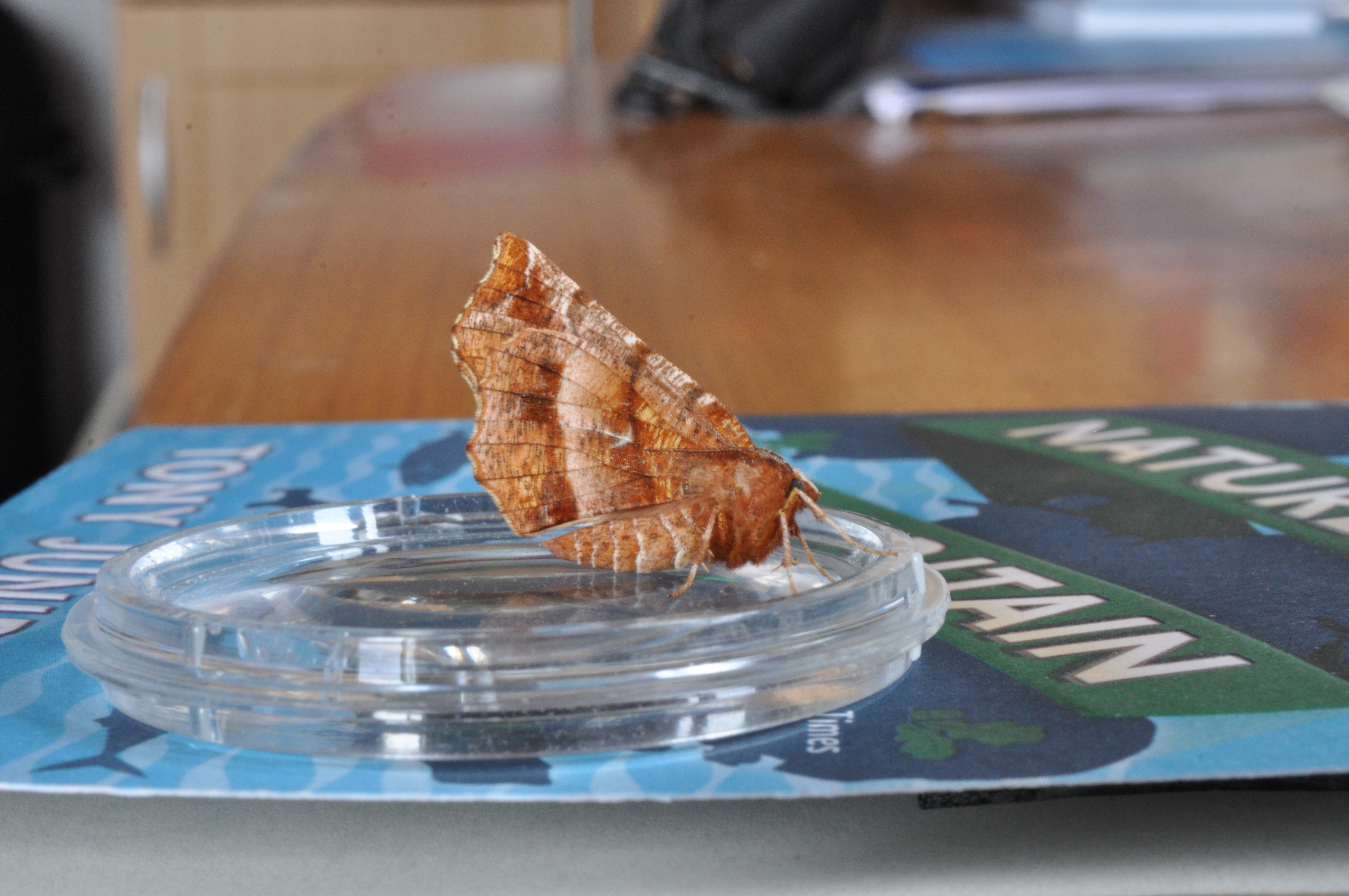
Early thorn

DSC_0139

White ermine


Emily adds…

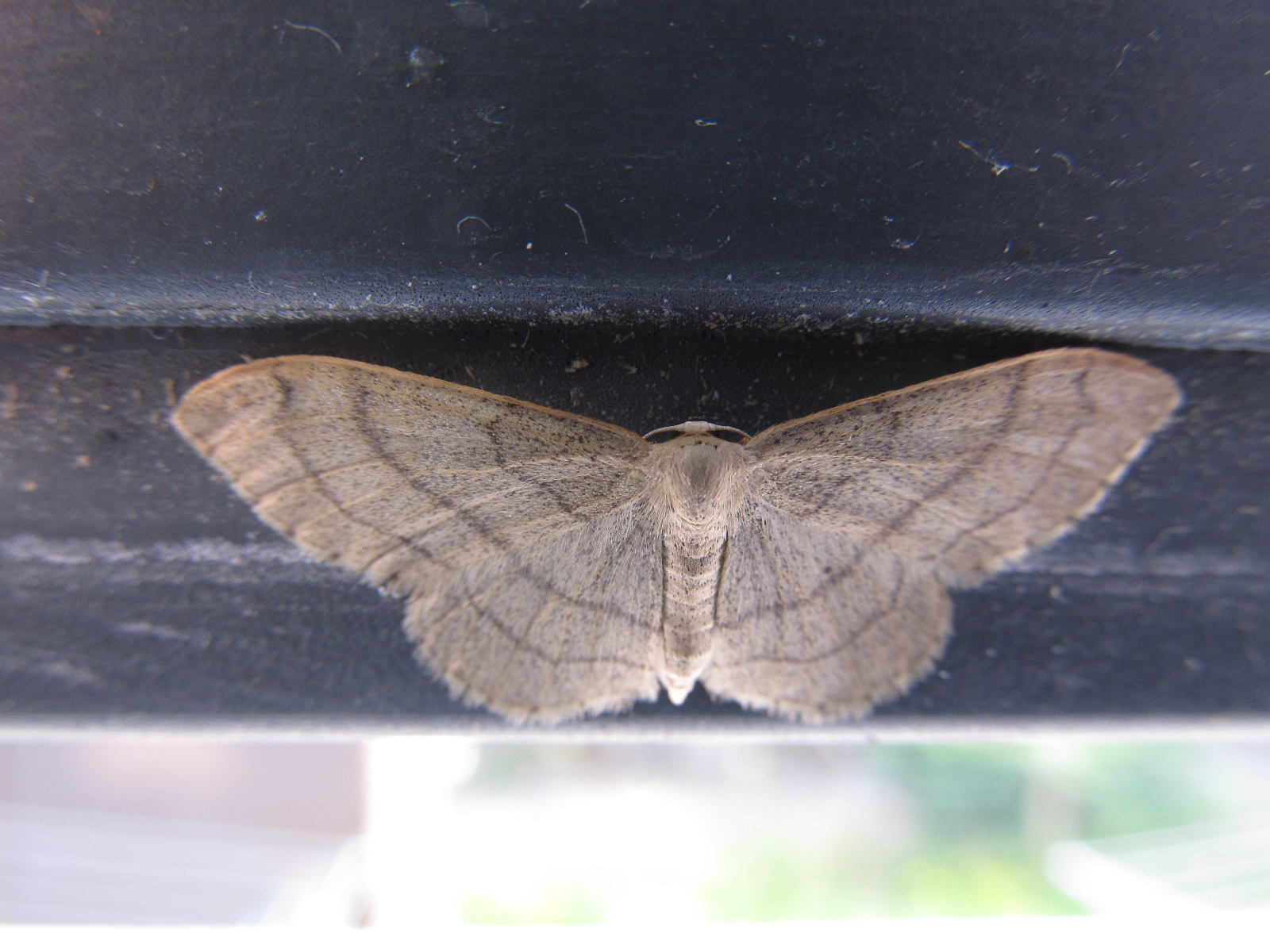
I’ve been trapping in my garden in Bunessan this week too.  It’s amazing the beautiful colours and details out there to be discovered, of which we’re often unaware unless they come to our windows at night, like this Riband Wave did.IMG_1436

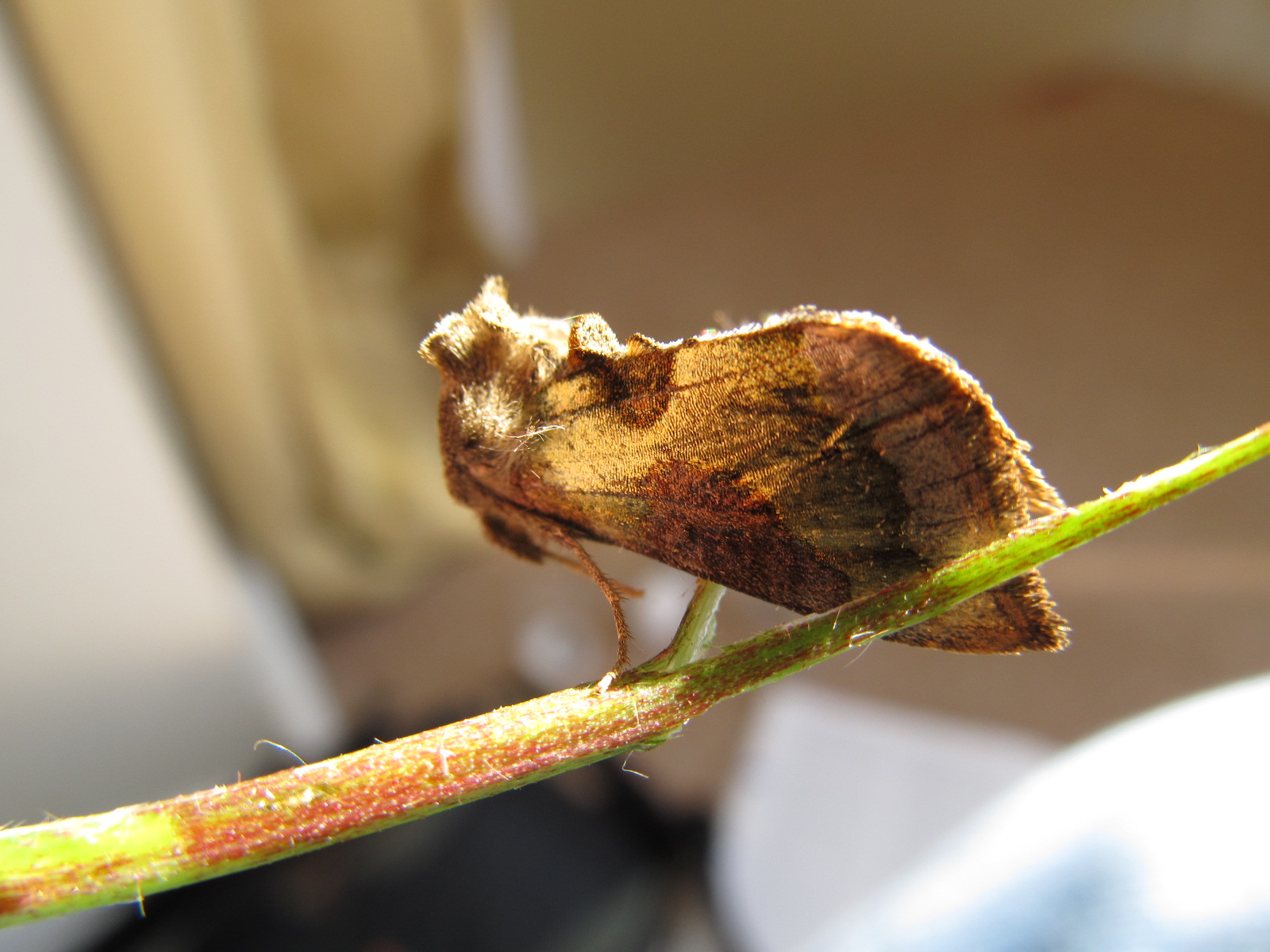
This is the rather lovely Burnished Brass, and my photographic skills don’t do justice to its green iridescence…let’s hope we catch another one to show you on Wednesday!

IMG_1491 IMG_1492

The pictures below show the unmistakable Garden Tiger, which displays its surprisingly bright orange underwings if disturbed.

IMG_1493 IMG_1494 IMG_1495

Bright colours in nature are often a warning, for example ‘Don’t eat me I’m poisonous’!  Day-flying burnet moths can produce their own cyanide from the plants they eat as caterpillars.  Here’s a newly hatched 6-spot burnet I found during a walk at Burg last week, which has just emerged from its pupal case and cocoon, and is letting its new wings dry before flying off.

IMG_1437

As Rachel mentioned there are lots of ways to get help with identification, another useful website is iSpot where you can upload photos and descriptions of any wildlife you find and experts will give you their opinions on what it might be!  Give it a try here: http://www.ispotnature.org/communities/uk-and-ireland


Wildlife Walks

Wolf Island

I’m now extremely jealous of the amazing weather everyone else in the UK is enjoying; Wimbledon looks more like America than London! We’ve still been busy with plenty of events going on and I’m now busy most days at Mull Eagle Watch (read about our eaglet here). It’s a great time of year to appreciate the smaller wildlife, including butterflies and wildflowers. Jan and I led a guided walk for a group of American visitors on the Isle of Ulva on Sunday 21st June and it actually turned out to be a nice day!

Marsh management

Ulva is a great place for wildlife, with lots of deciduous woodland remnants and areas of land managed particularly for rare butterfly species. The marsh fritillary butterfly is one of Europe’s rarest butterflies and relies upon devils-bit scabious as the food plant for its caterpillars. Grazing and cutting of fields at the wrong time can be catastrophic for these butterflies and so support and good management are important. The island is also known as wolf island, giving another indication of the part fauna here, it is thought that this name comes from the Viking/Norse people who took Ulva as their home for a time. Obviously we’ve lost our large mammalian predators like the wolf and the lynx but thankfully we do at least have the white-tailed and golden eagles.

Luscious lichens

We enjoyed lots of wildflowers and trees in bloom – particularly the hawthorn. We spotted lousewort, foxgloves, birds-foot trefoil, bluebells, flag iris, tormentil, bugle, water avens, common bistort and more. We also enjoyed the amazing diversity of lichens covering the trees and walls including dogtooth lichen and beard lichen; this gives us an indication of ancient woodland and demonstrates the cleanliness of our air.

DSC_0674

Mull lichen diversity

Loch Torr guided walk

On Wednesday 1st I ran a guided walk in the Quinish Forest surrounding Loch Torr. We had a brilliant afternoon in the warm weather with a huge array of wildlife to be seen. We were also joined by Ewan Miles of Inspire Wild, great to have him and his wealth of knowledge for the afternoon. Ewan spotted some great species for us including some common lizards, one of reptile species that were enjoying the heat of the day.

Common lizard

Common lizard (Ewan Miles)

Insect life

Much of the area is commercial plantation with Sitka spruce and larch trees making up the bulk but despite this the area is brilliant for insect life. The rides along the forest tracks are wide and sunny, with large open areas full of heather and cotton grass. We enjoyed a multitude of butterflies, damselflies and dragonflies throughout the afternoon making for a very slow walking pace! We recorded species like dark-green fritillary, small heath, speckled wood and green-veined white butterflies. Dragonflies are on the wing now and we watched golden-ringed and four spotted chasers hawking along the waterways. Damselflies were in abundance; we spotted large red damselflies and the stunning beautiful demoiselle. Day flying moths were also visible, speckled yellow was the most notable. I also noted a very odd looking parasitic wasp species, which I think is called the black slip wasp, very mean looking black and red individual!

Beautiful damoiselle

Beautiful damoiselle (Ewan Miles)

Northern Eggar

Northern eggar moth (Ewan Miles)

Coming up 

I’m already getting lots of bookings for the butterfly/wildflower morning at Treshnish (Wed 15th July), so if you’re interested it would be great  if you could let me know on 07540792650. Straight after lunch on the same day you join myself and Dr Conor Ryan from HWDT to do some sea watching to look for marine mammals and seabirds, so you could spend the whole day with the ranger service!

Speckled wood on water avens

Speckled wood butterfly on water avens flower (Ewan Miles)

Summer holidays and what shall we do?


Get out and geo-cache on Mull.

Over the last two years we have had a project involving setting geocaches, producing a leaflet and running a web site, thanks to funding from the Forestry Commission.
There is no better way to encourage youngster to go for a walk, learn a little about their surroundings and go on a world wide treasure hunt. On Mull and Iona there is over a 100 of these caches, the Ranger Services managing 55 of them.

geocaches on Mull
Part of the project was getting the local primary schools to set their own geocaches and also be custodians of them.

So I hear you ask, what does this involve?

The children were all give a plastic lunch box and a camouflage bag and a travel bug, a special tag with a unique number which can be logged on the Geocaching.com web page and then be tracked around the world or what ever the children decided they want it to do.

The children then hid the box near the school, wrote a short description about the site and filled in the rest of the necessary information such as co-ordinates on the Geocaching.com web site.    A geocache hunter would then visits the geocaches having first down loaded the co-ordinates from the Geocaching web site to their phone or GPS. They then go off and hunt out the Cache box, geocaching.com

                  box etclog they have visited it in a wee book, take and swap a trinket with something or equal or more in value or take the tagged bear if they can help it on its travels and when they get home they record their find and actions on the internet.
So for the bit that involves the travel bug the pupils have attached a key ring type object so that the tag does not get lost, The pupils have also given the bears a challenge so meet:

Little Big Foot of Lochdon who is traveling Scotland

little big foot

Ginger Bear of Ulva Ferry who is traveling around Europe

Ginger from Ulva Ferry

and Bob of Salen who is traveling the world

bob
To see where they have got to follow this link. http://www.geocaching-mull.co.uk/travellers/

The children have also asked the people who have transported the bears to the various locations to attach a photo to the Geocaching.com web site from the bear in situ in its new location.

Hopefully the pupils will follow the travels over the summer holidays and also go out and search for some of the geocaches themselves. After the summer I will also visit the other four primary schools and get them to set their bears a traveling.
It is good that the children will also be able to follow the bears from the other primary schools too. Once the bear has gone off on its travels the children can also keep an eye using the website to see who visits their boxes.

So if you are looking for something to do head out and check some of the geocaches, go for a nice walk and learn a bit more about Mull.

For more things to do this summer have a look at the events page for more Ranger Service Summer fun.